
UHF RFID Tags for Logistics & Distribution

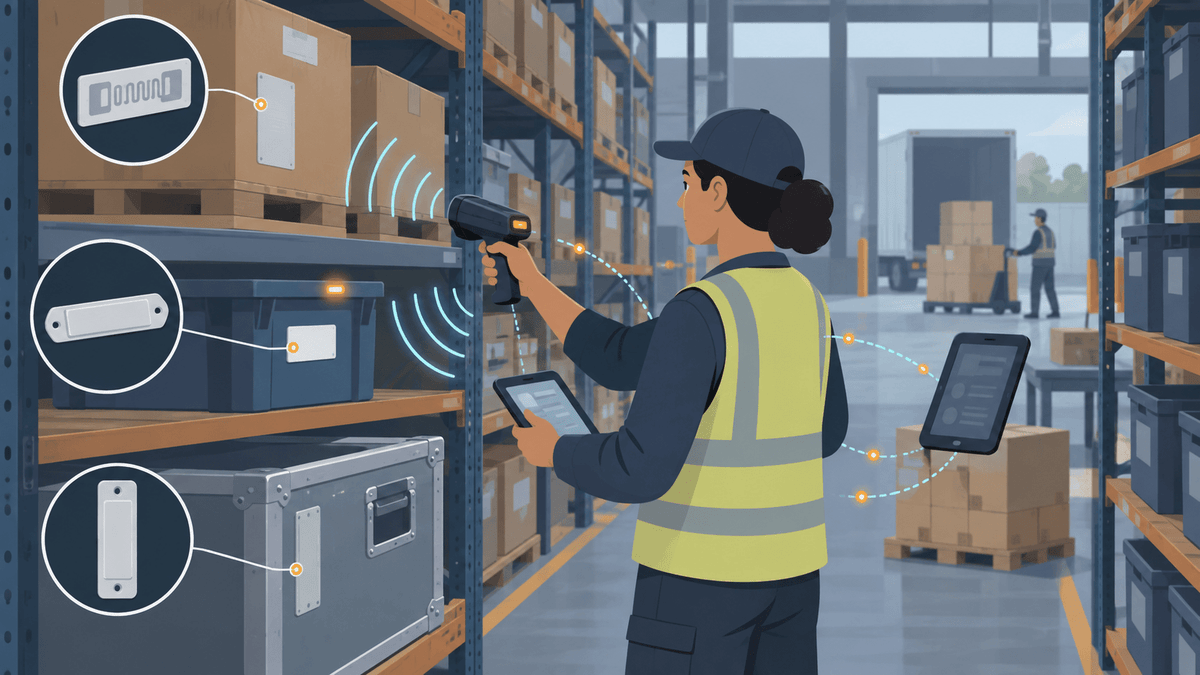
UHF RFID labels help logistics teams identify cartons, reusable totes and metal transport assets at receiving, inventory and dispatch checkpoints. Choose the label for the surface and handling conditions, then agree how its identifier will connect to shipment or asset records across your sites and partners.

Which UHF RFID Labels Fit Your Goods And Transport Assets?

Cartons And Packaged Goods
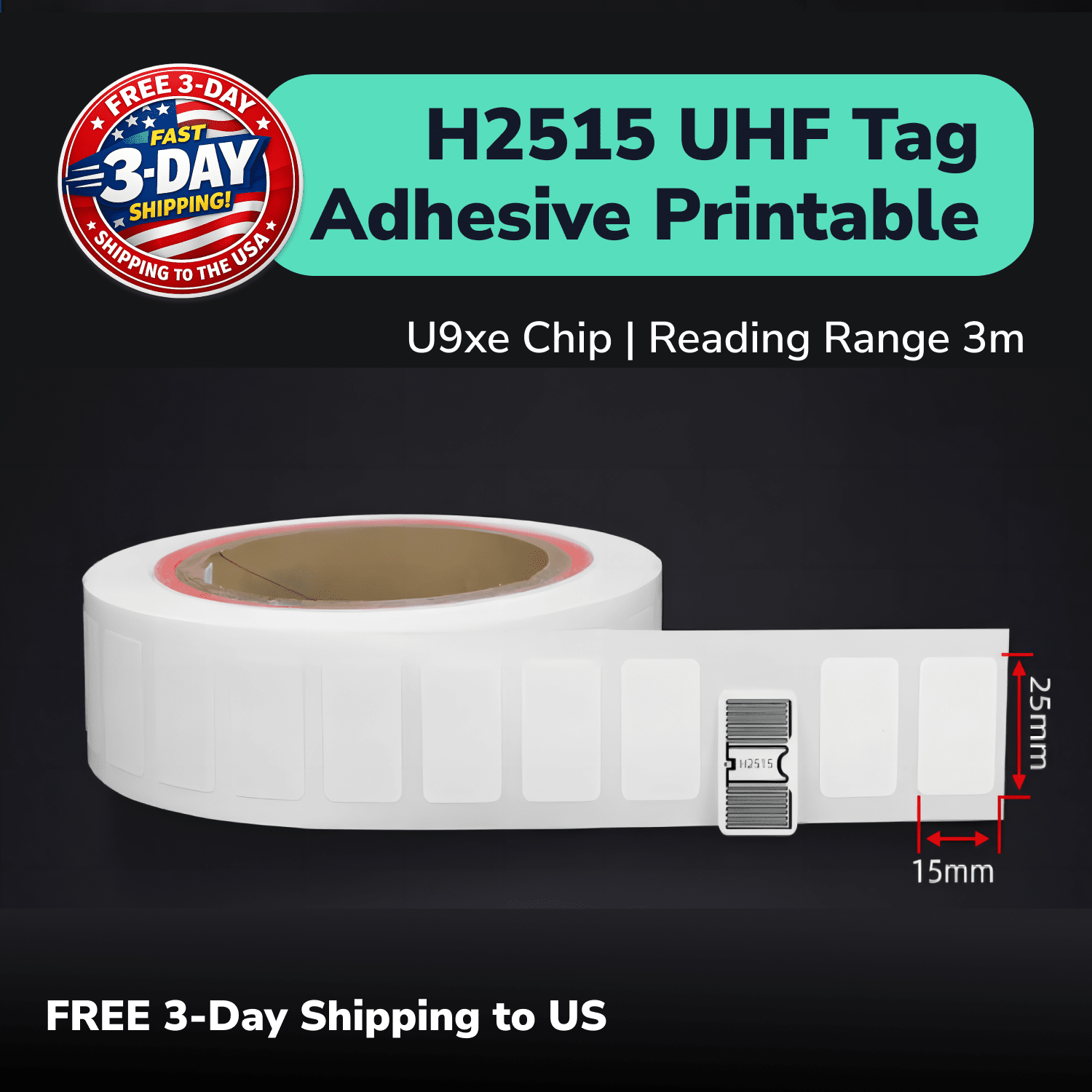
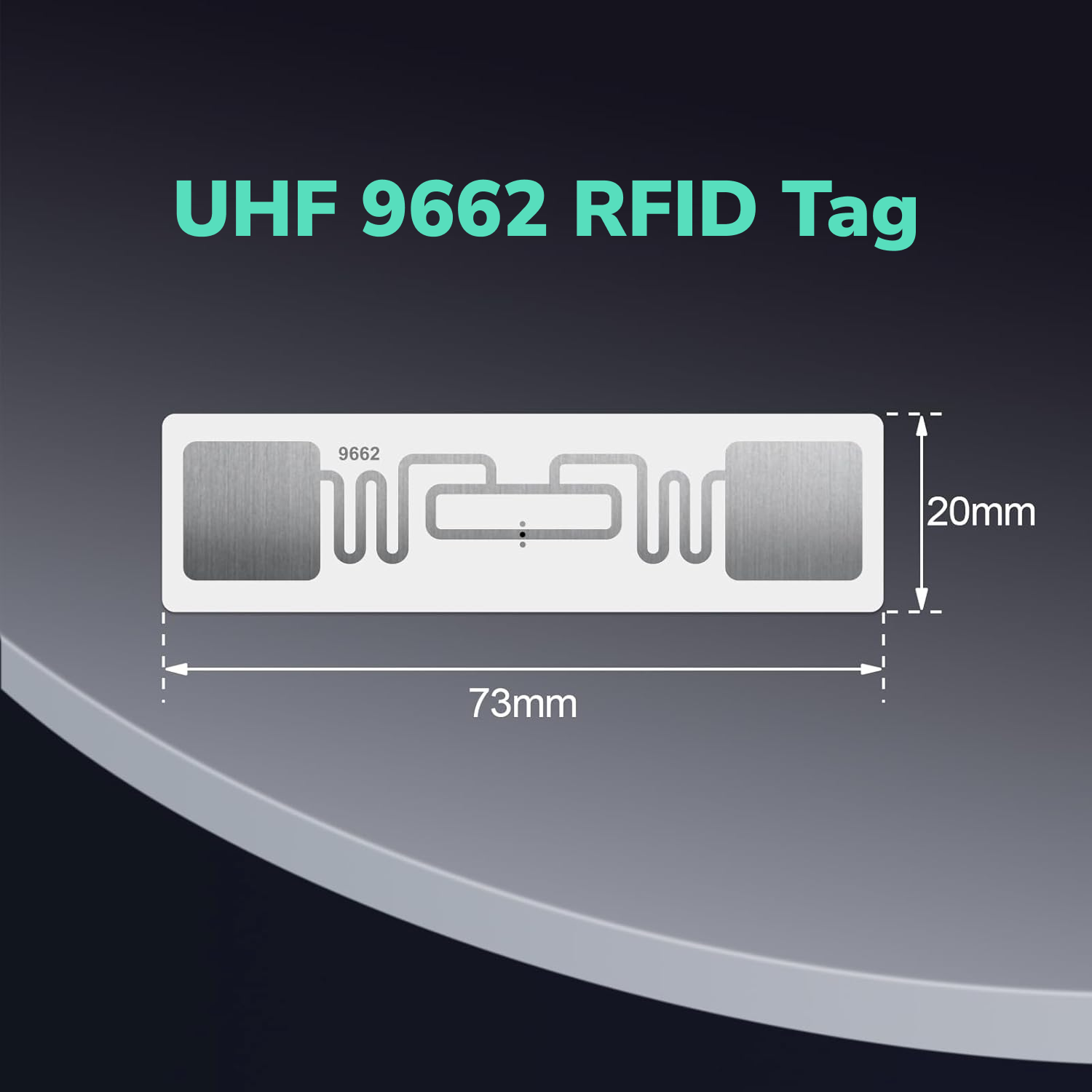
9662 Printable Long-Range UHF RFID Sticker Inlay for Asset Tracking Self Adhesive TagtixRFID
Reusable Plastic Totes
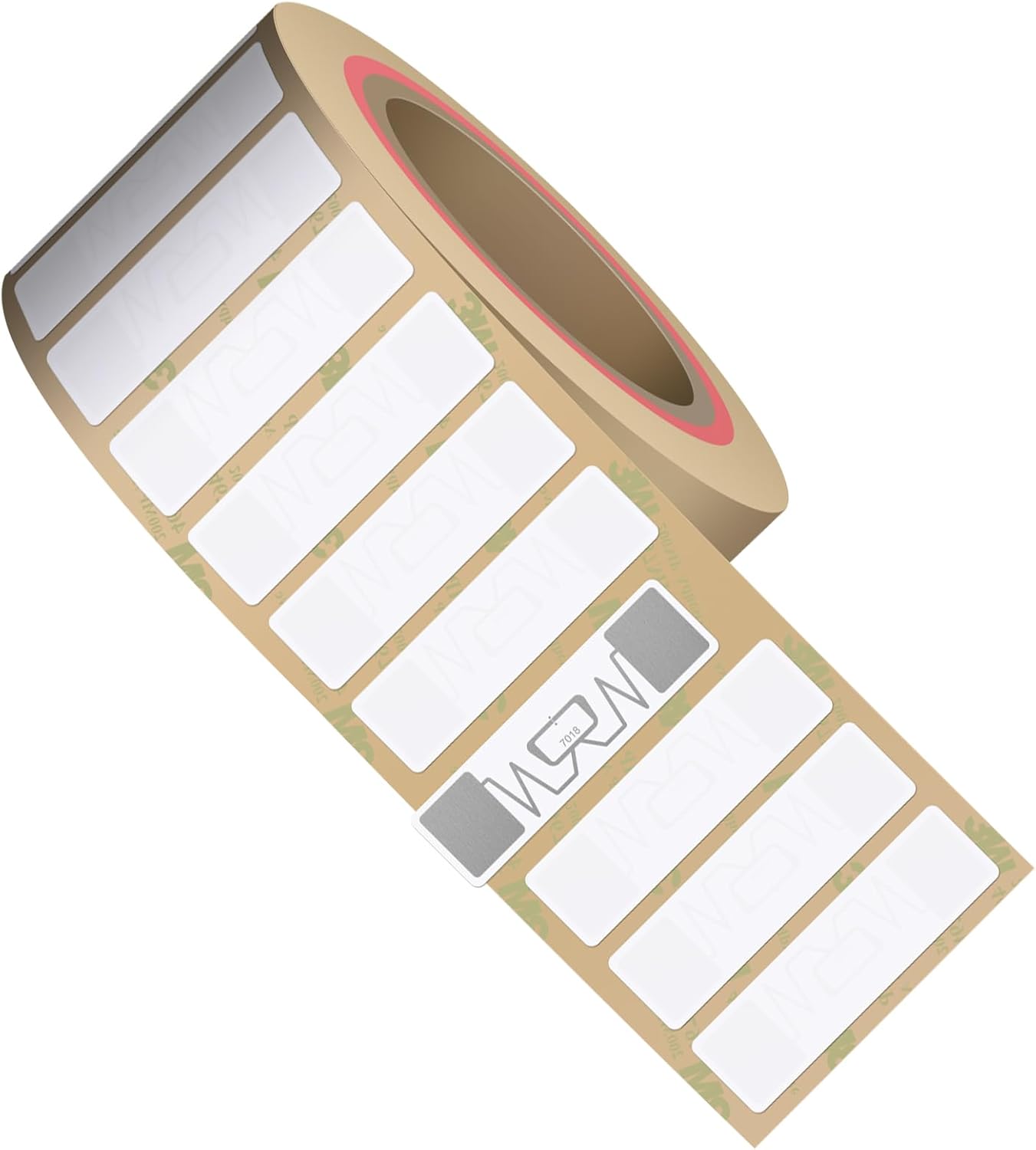
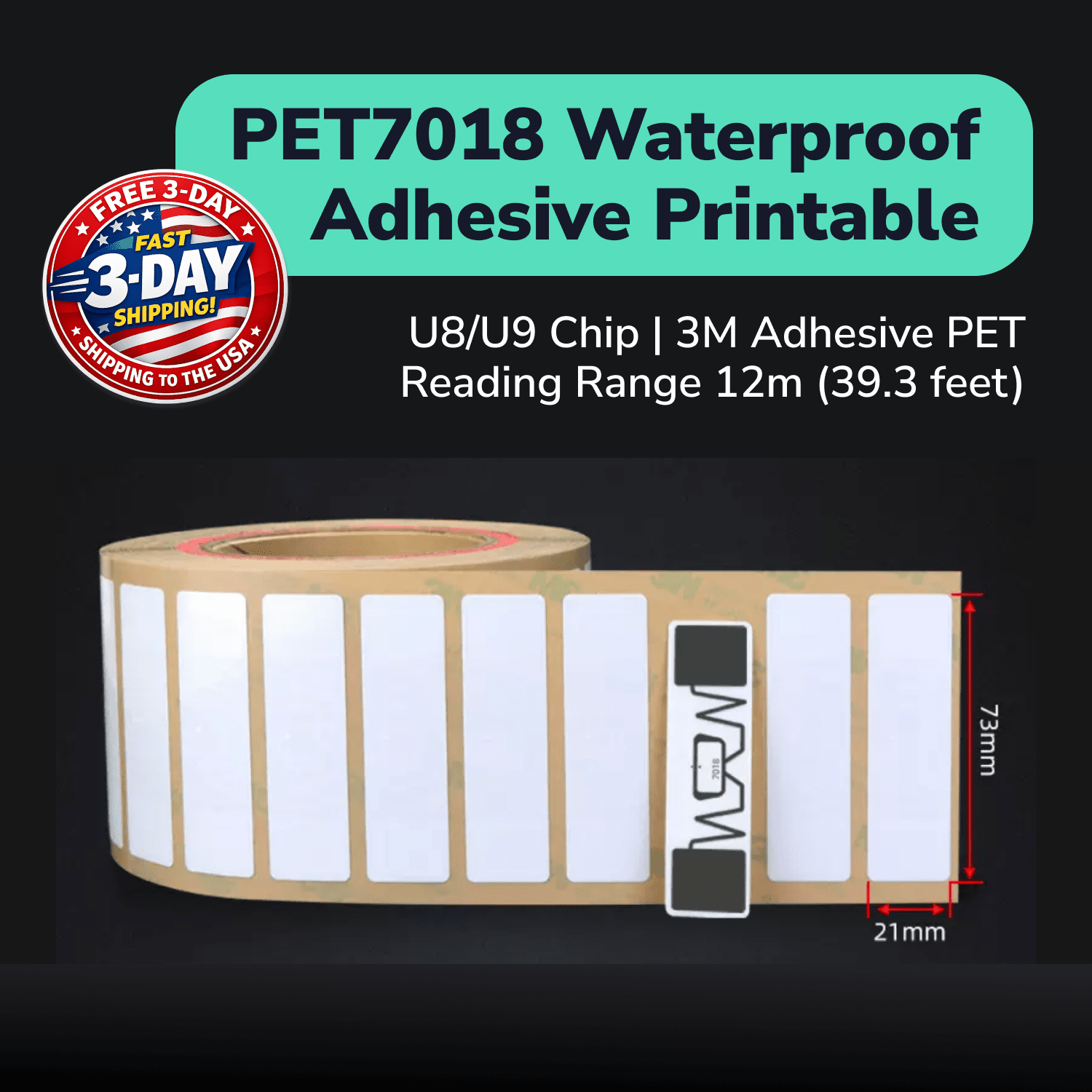
PET7018 Material Waterproof Printable Long Range UHF Label TagtixRFID
Sale priceFrom $16.89 USD ($0.34 each)
Metal Roll Cages And Transport Equipment
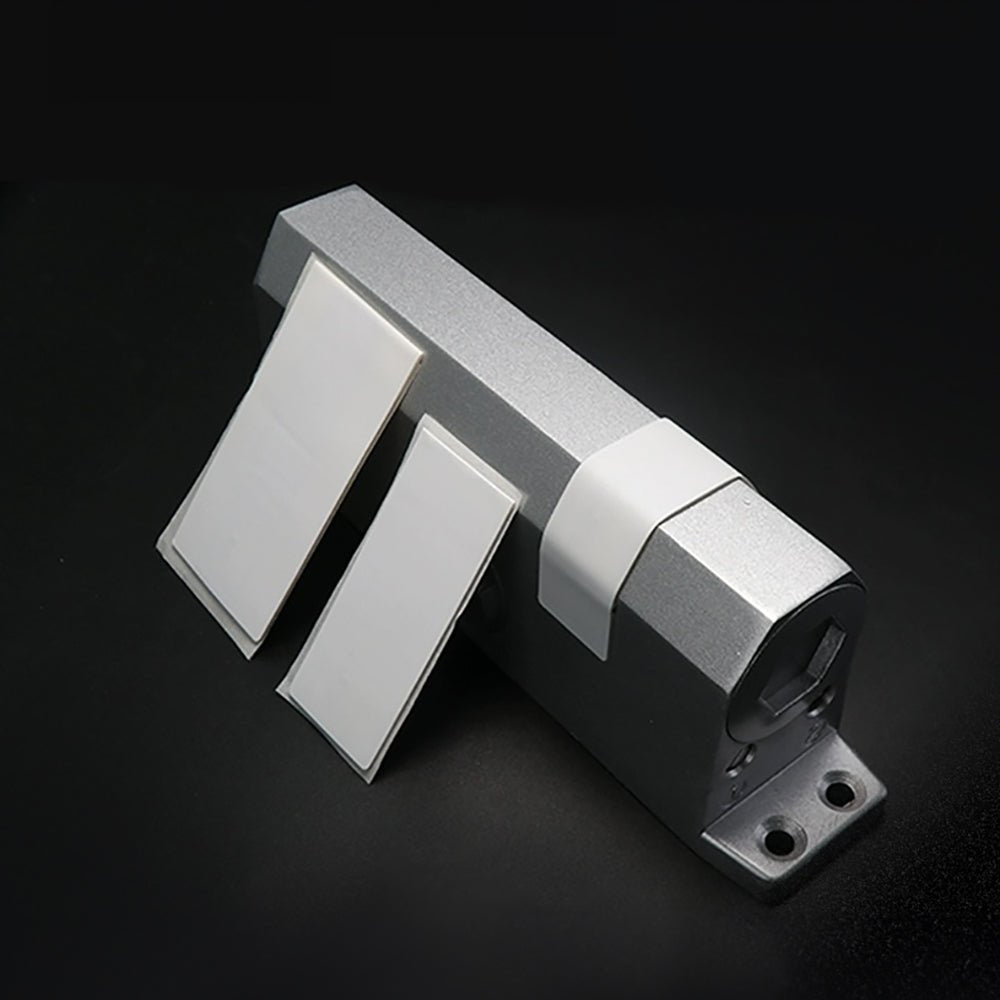
RFID UHF On Metal Asset Tags Sticker PET Meterial Waterproof 3M Adhesive TagtixRFID
Sale priceFrom $32.78 USD ($1.09 each)

What Are You Looking To Track?

Cartons And Packaged Goods

Start with 9662 for suitable dry cartons and packaging. Test the label with the actual contents and wrapping, especially when foil, liquids or metal are present.

Use 9662

Reusable Plastic Totes

Consider PET7018 when moisture resistance matters on a suitable non-metal tote. Check the surface, cleaning cycle and stacked load before settling on a label position.

Use PET7018

Metal Roll Cages And Transport Equipment

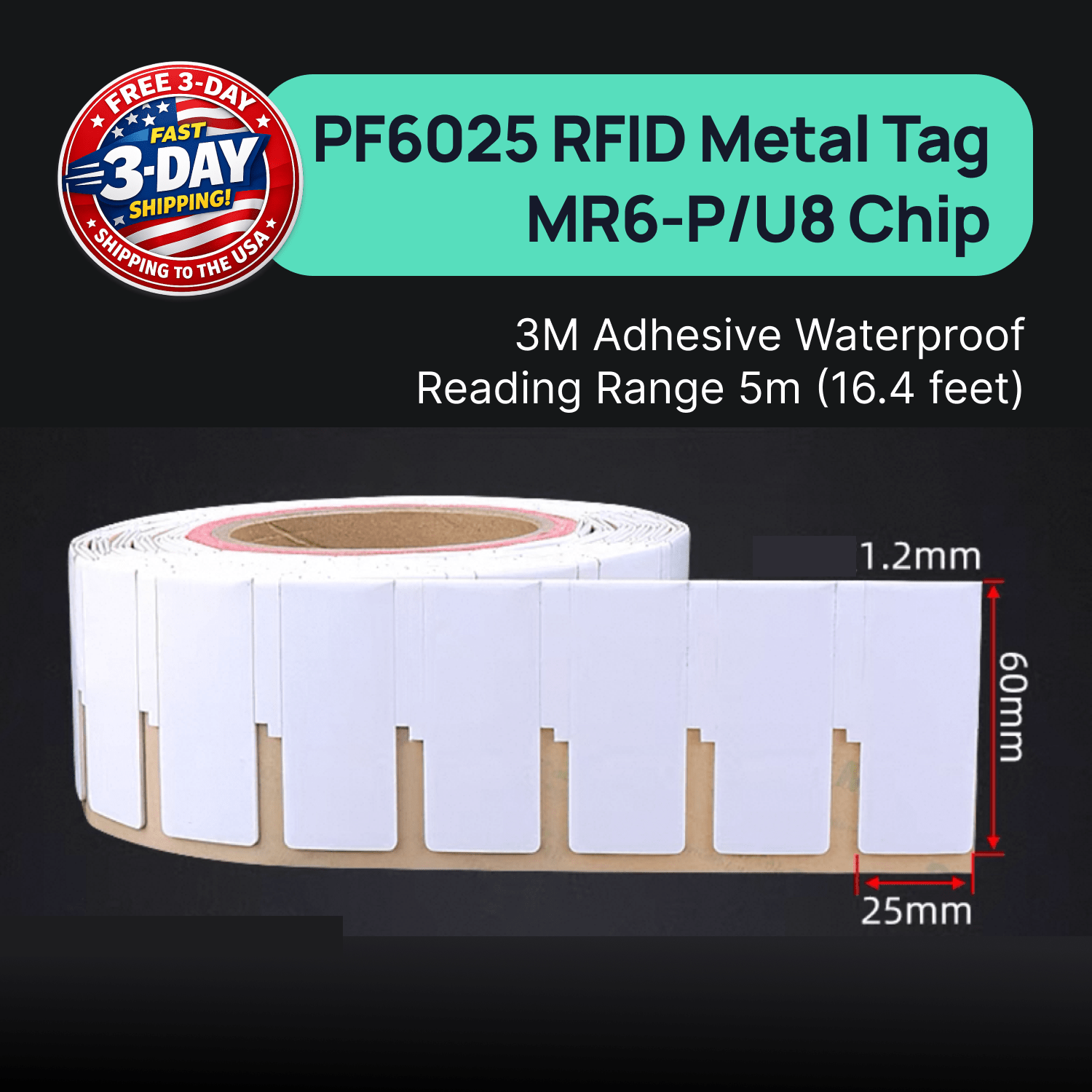
Consider PF6025 for a suitable metal mounting area. Choose a protected position away from frequent scraping or impacts, and confirm that the reader can reach it during normal handling.

Use PF6025

How Do You Choose Tags For Receiving, Dispatch And Returns?

Decide what the identifier represents: one item, a shipment or a reusable container. A container identifier needs an up-to-date contents record; reading it does not confirm every item inside.

Check the mounting surface, available label space and loaded packaging. Include wrapping, liquids, nearby metal and stacking in your trial. For returnable assets, share the cleaning method and likely scraping or impact exposure.

Plan the reading points at receiving and dispatch. Reading distance depends on the reader and environment. Checkpoints record reads at those locations; passive labels do not provide continuous location tracking between sites.

Agree the identifier format and record ownership with your logistics partners. Confirm reader compatibility, printed label requirements and how your warehouse software interprets each event.

If you would like to test labels on your actual assets, feel free to request a free UHF sample pack. Share the mounting surface, label space and working conditions, plus your reader and printer models if available.

Explore Warehouse And Distribution Use Cases

How to Use UHF RFID Tags for Warehouse Inventory and Distribution - TagtixRFID

How to Use UHF RFID Tags for Warehouse Inventory and Distribution

Compare UHF RFID tags and workflows for cartons, totes, bins, pallets, metal assets, cycle counts, receiving, item finding, and database reconciliation.
How to Track Inventory in Totes Near Metal Racks with UHF RFID - TagtixRFID

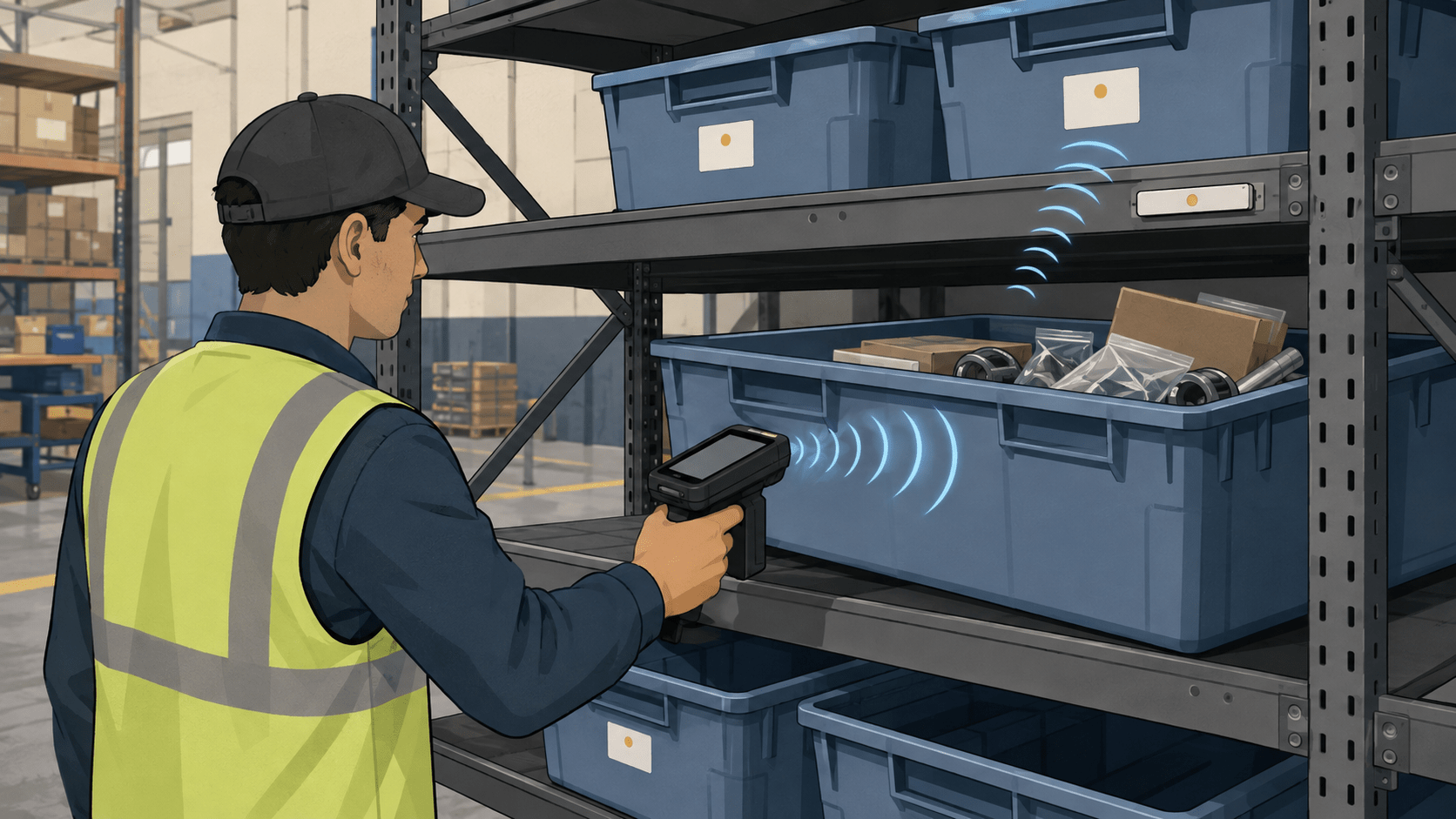
How to Track Inventory in Totes Near Metal Racks with UHF RFID

Learn how to choose, place, encode, and qualify UHF RFID tags for tote inventory, grouped items, metal racks, and an optional heat step.

How to Find Inventory in Warehouse Bins with LED UHF RFID Tags - TagtixRFID

How to Find Inventory in Warehouse Bins with LED UHF RFID Tags

Build a find-one-bin workflow with an LED UHF RFID tag, unique EPC records, controlled read zones, and real warehouse qualification.