


How Waste Management Companies Use RFID Tracking
Waste management and recycling operations involve tracking thousands of bins, containers, dumpsters, and roll-off units across widespread service areas. Municipalities, private haulers, and recycling facilities need to know where every container is, which route it belongs to, when it was last serviced, and whether it has been missed on a collection run.
UHF RFID tags attached to bins and containers are automatically scanned by readers mounted on collection trucks as each bin is lifted and emptied. This creates a real-time digital record of every collection event, eliminating manual logging and providing verifiable proof of service for billing, compliance, and customer inquiry purposes.
Key Challenges in Waste and Recycling Operations
Waste containers face some of the harshest conditions of any tracked asset:
- Outdoor exposure: Bins sit outside year-round in sun, rain, snow, and extreme temperatures.
- Mechanical stress: Collection trucks lift, tilt, and dump containers thousands of times over their service life.
- Chemical exposure: Leaking garbage, cleaning chemicals, and organic decomposition degrade standard labels.
- Metal containers: Steel dumpsters and metal recycling bins block standard RFID signals.
- Large fleets: Municipalities manage tens of thousands of containers, making manual tracking impractical.
- Route verification: Customers and regulators need proof that every scheduled bin was actually collected.
Which RFID Tags Work Best for Waste Management
Cable Tie Tags for Bins and Containers
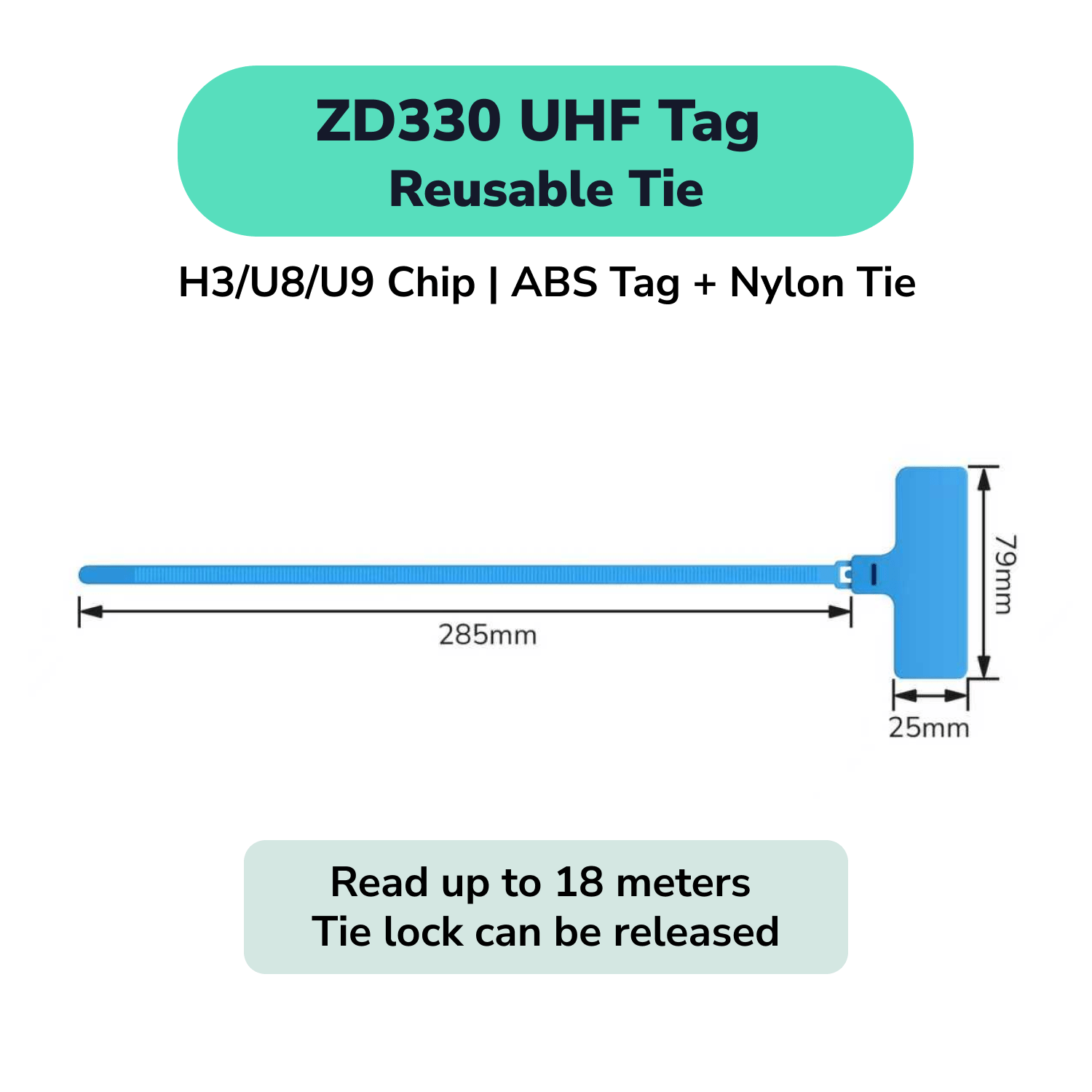
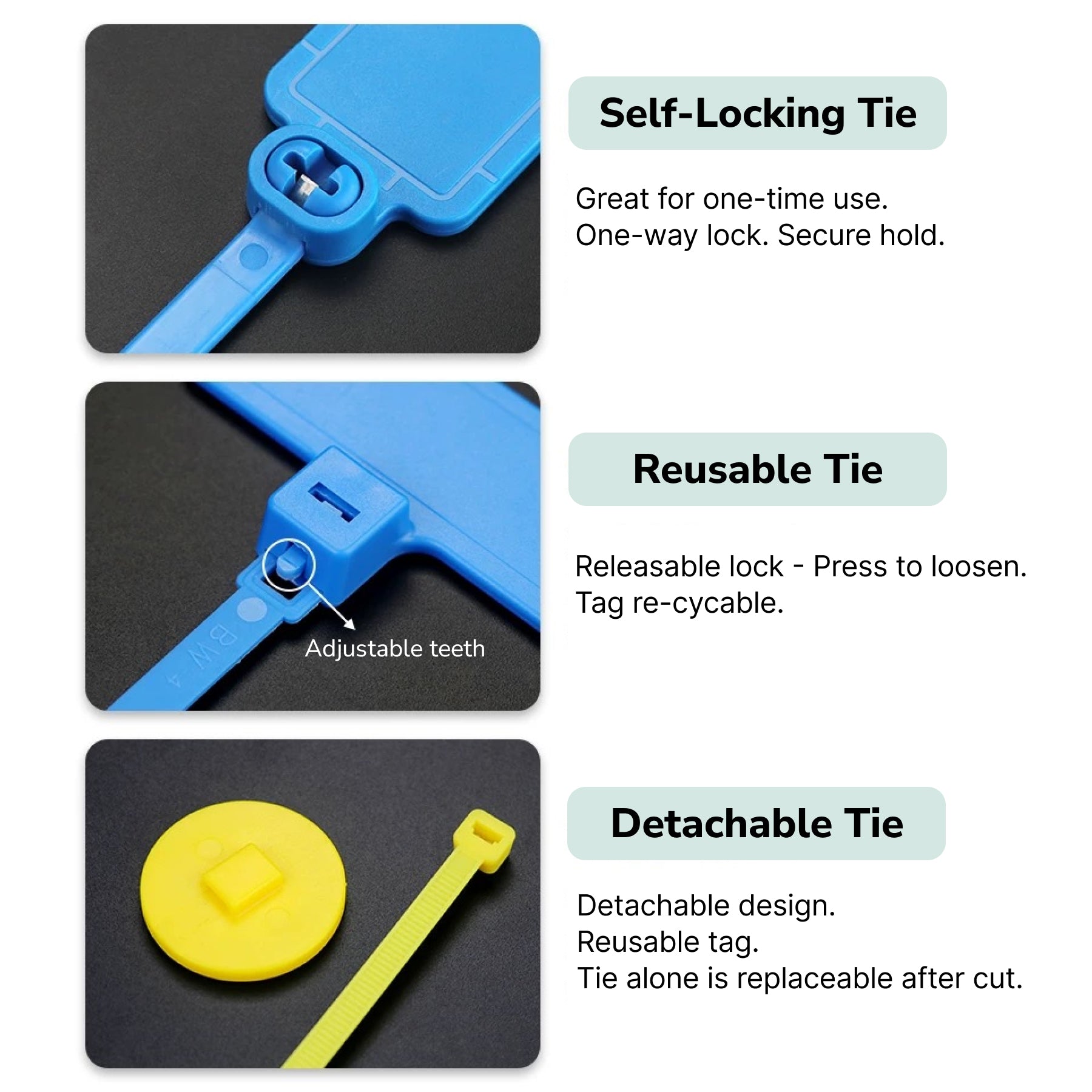
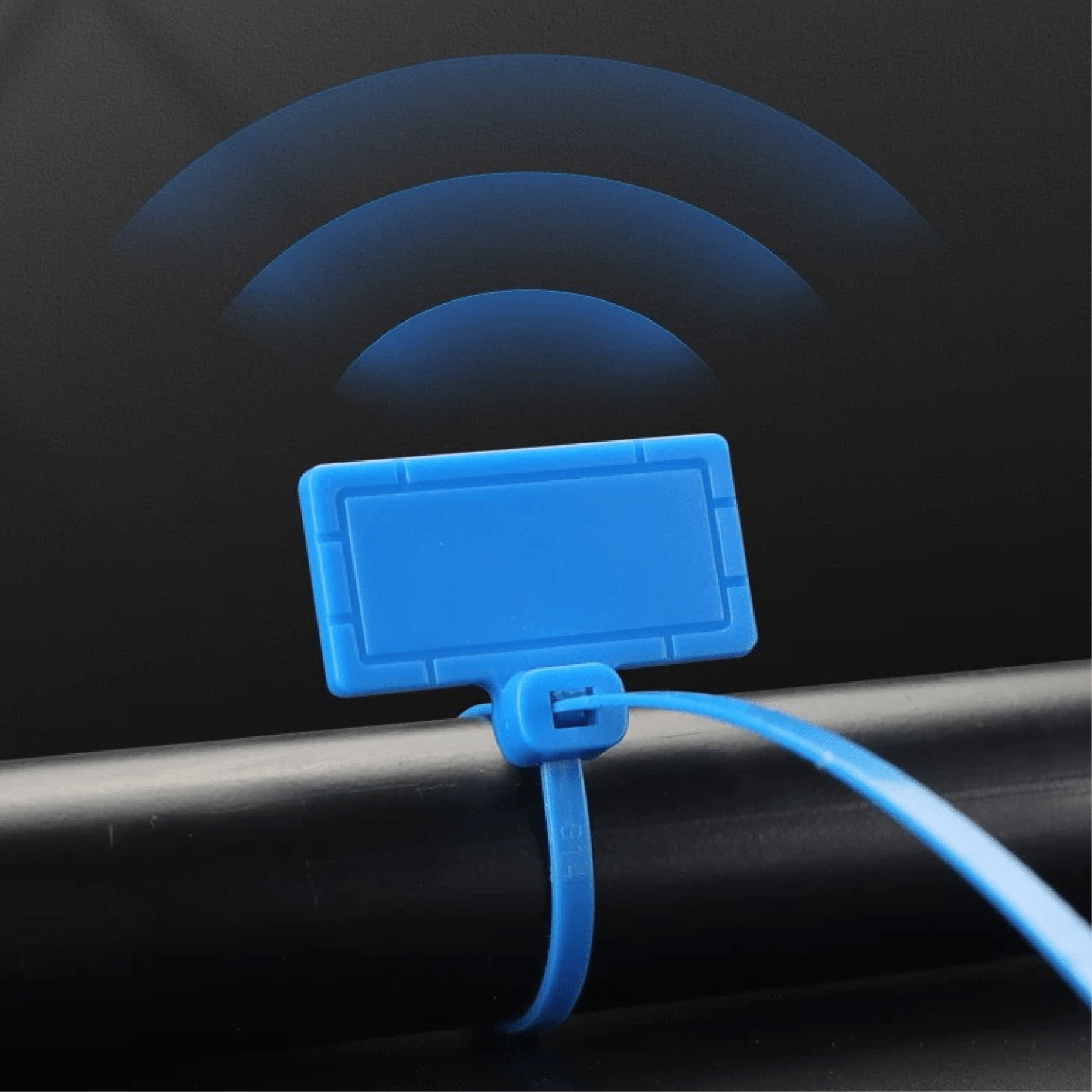
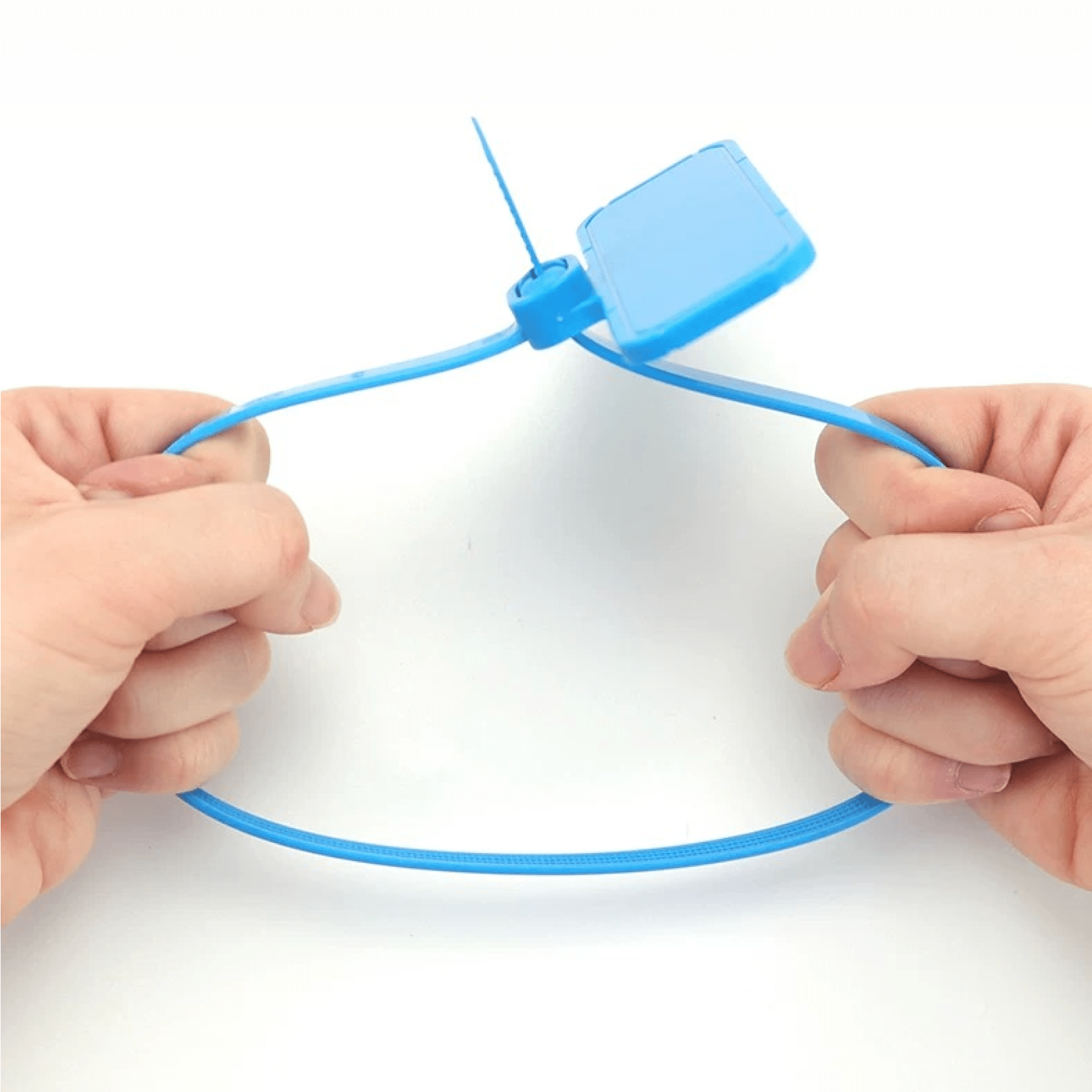
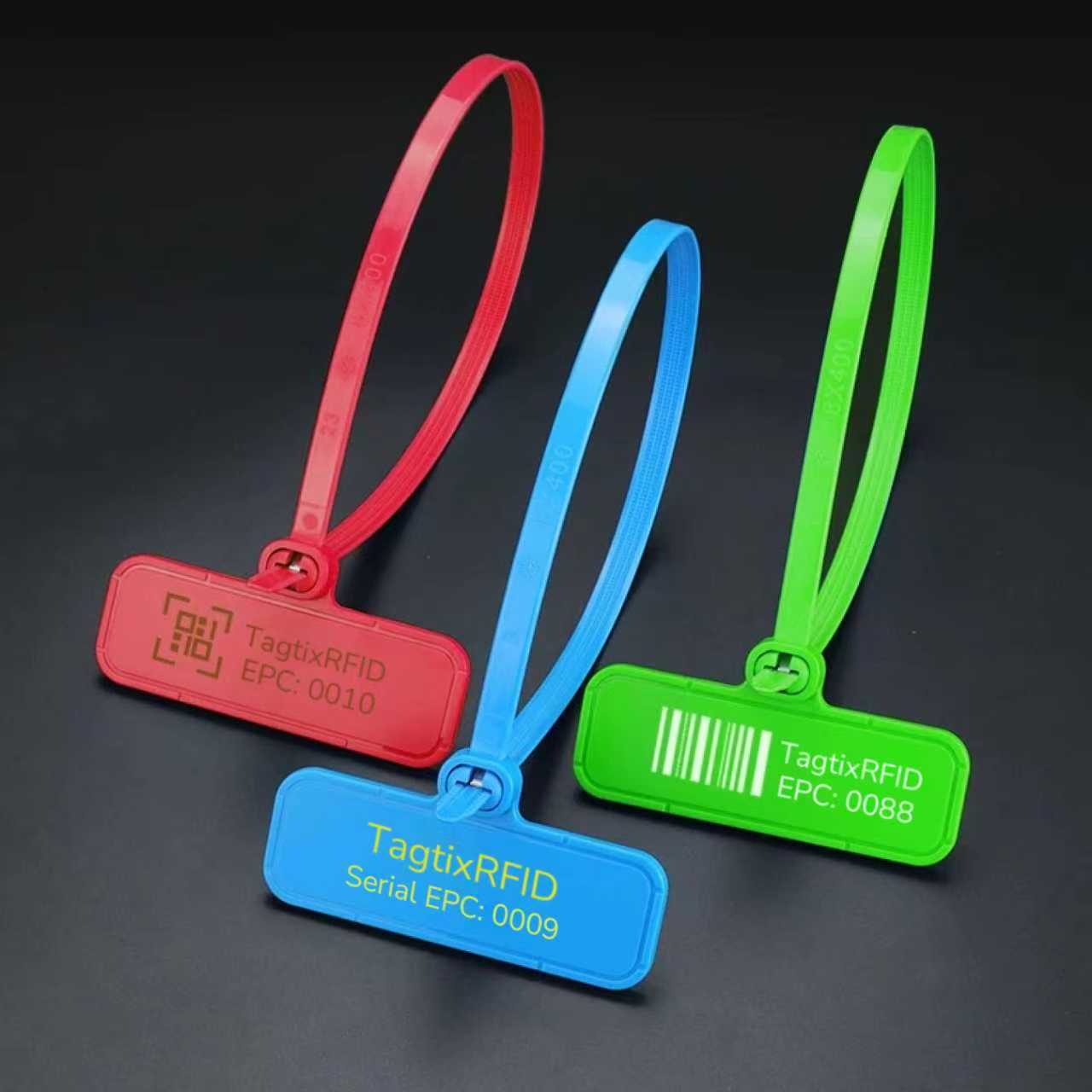
The ZD330 Cable Tie RFID Tag is the most widely used tag for waste and recycling containers. It combines an ABS-encased UHF RFID tag with a 330 mm nylon cable tie strap that threads through vent holes, handle slots, or rim edges on bins. The self-locking mechanism engages with a single pull, and the 40 kg tensile strength keeps the tag secure through thousands of lift-and-dump cycles.
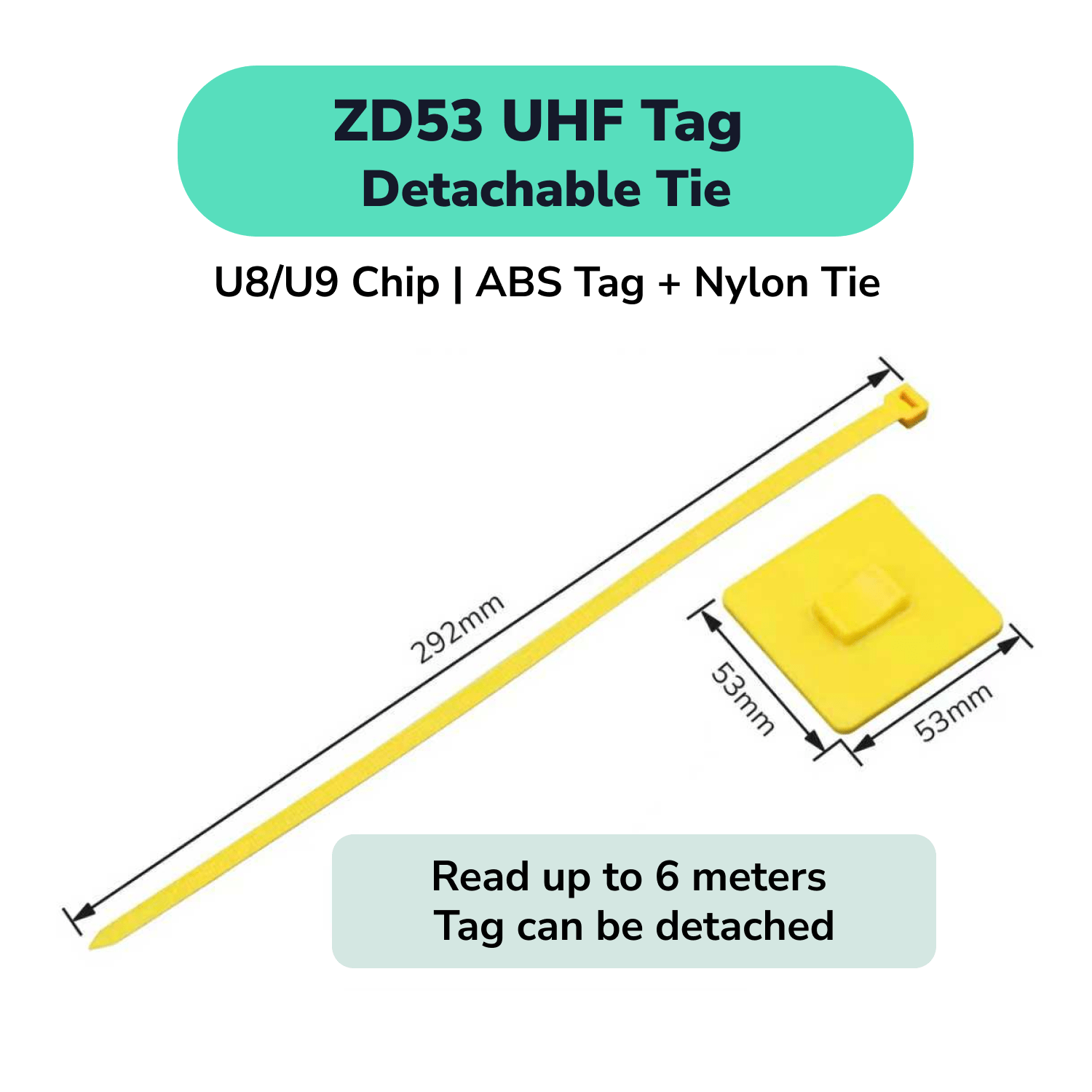
The ZD330 is popular because it installs in seconds without tools and fits virtually any bin design. Detachable and reusable versions are available for bins that need tag reassignment during fleet rotation or maintenance. Municipalities and haulers use this tag for residential wheeled bins, commercial front-load containers, and recycling carts.
Heavy-Duty Mountable Tags for Dumpsters and Roll-Offs
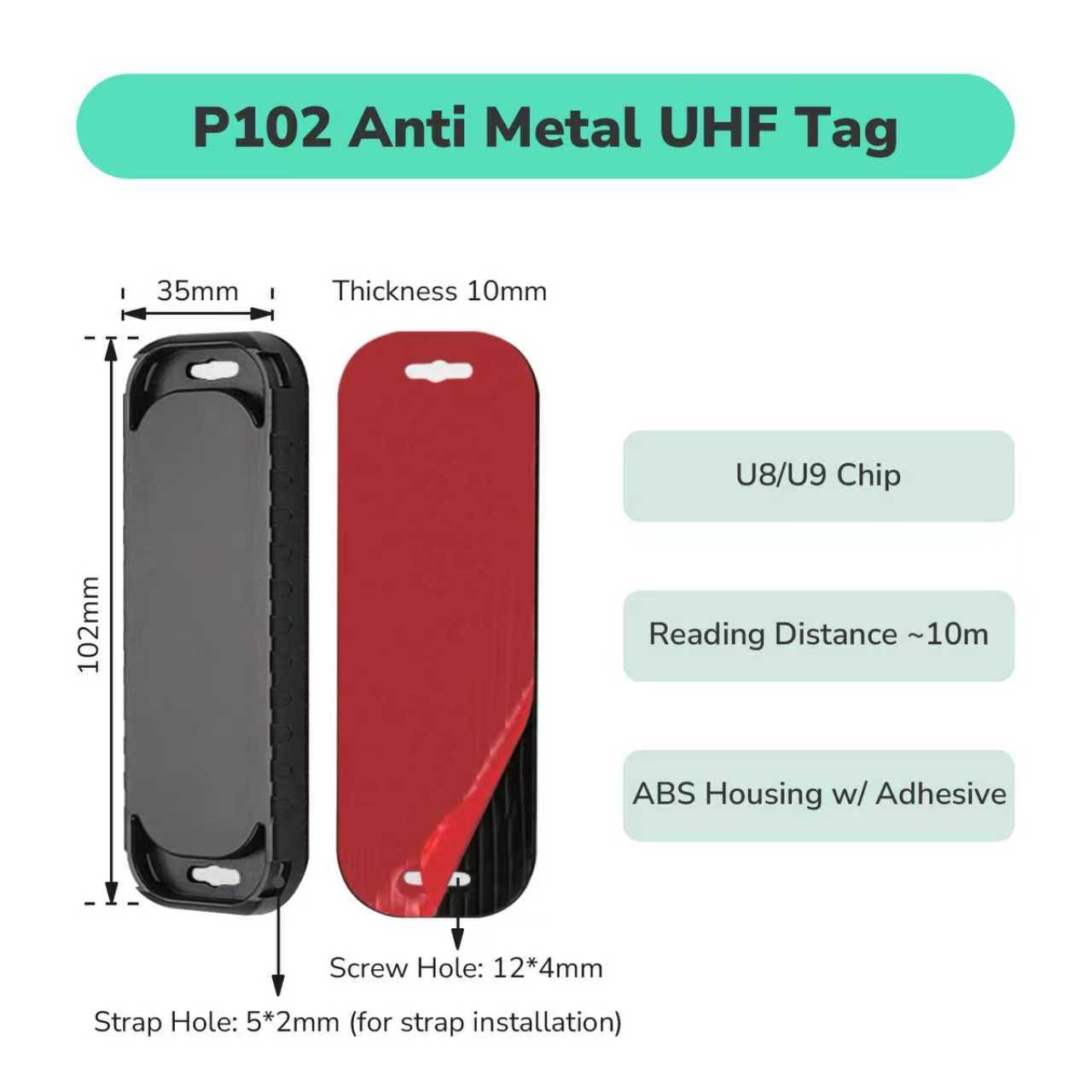
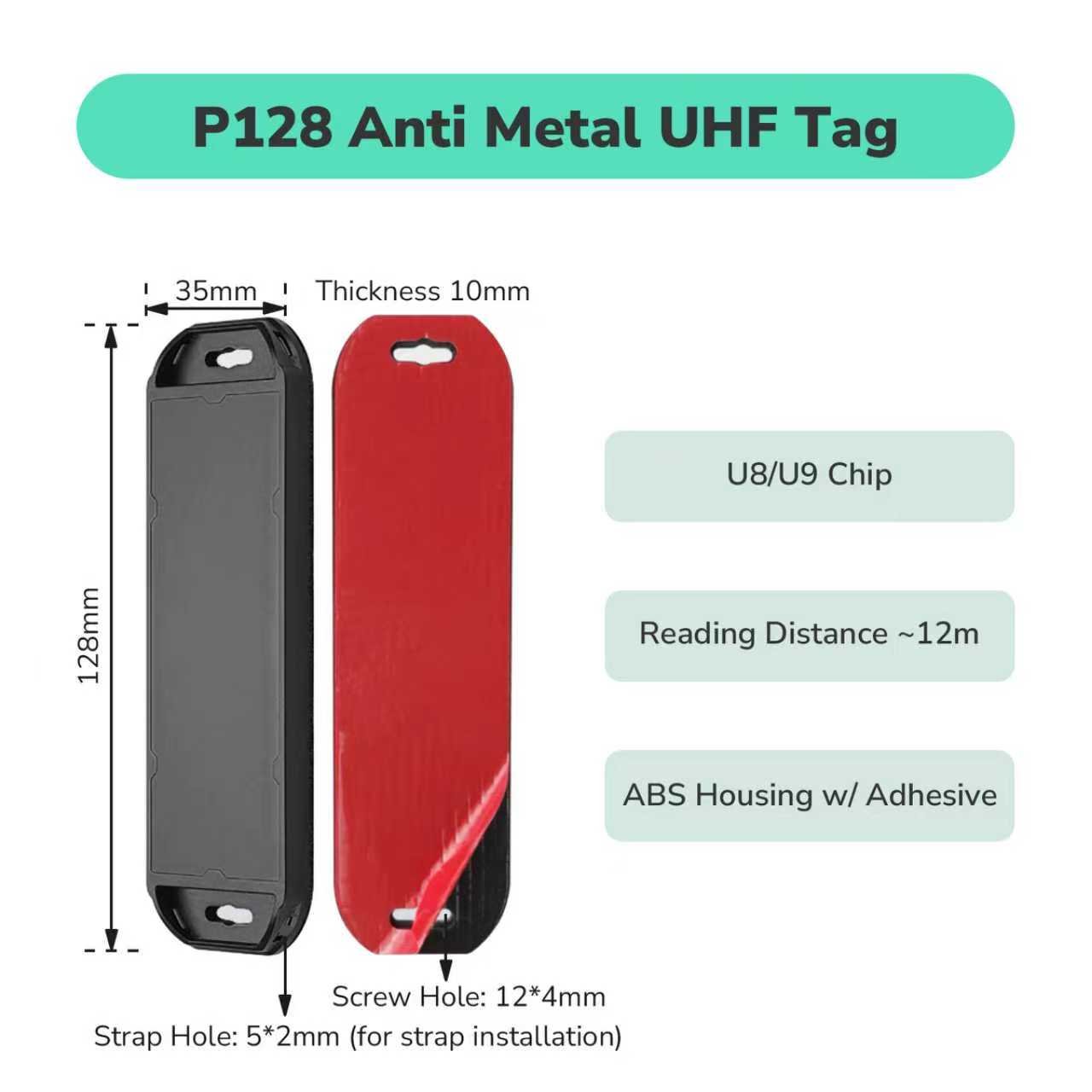
Large steel dumpsters and roll-off containers require a more rugged mounting approach. The P102 ABS Mount on Metal tag has an ABS and polycarbonate housing rated for impact, corrosion, and UV exposure. It supports three mounting methods: adhesive, screw bolts, and strap-through holes, giving flexibility for different container designs.
For heavy-duty steel dumpsters, the P102 is typically bolted or screwed into a reinforced area on the container lip or side panel. The on-metal design ensures reliable reads even on thick steel surfaces, and the rugged housing protects the tag from debris, impact, and pressure washing.
On-Metal Tags for Steel Containers and Compactors
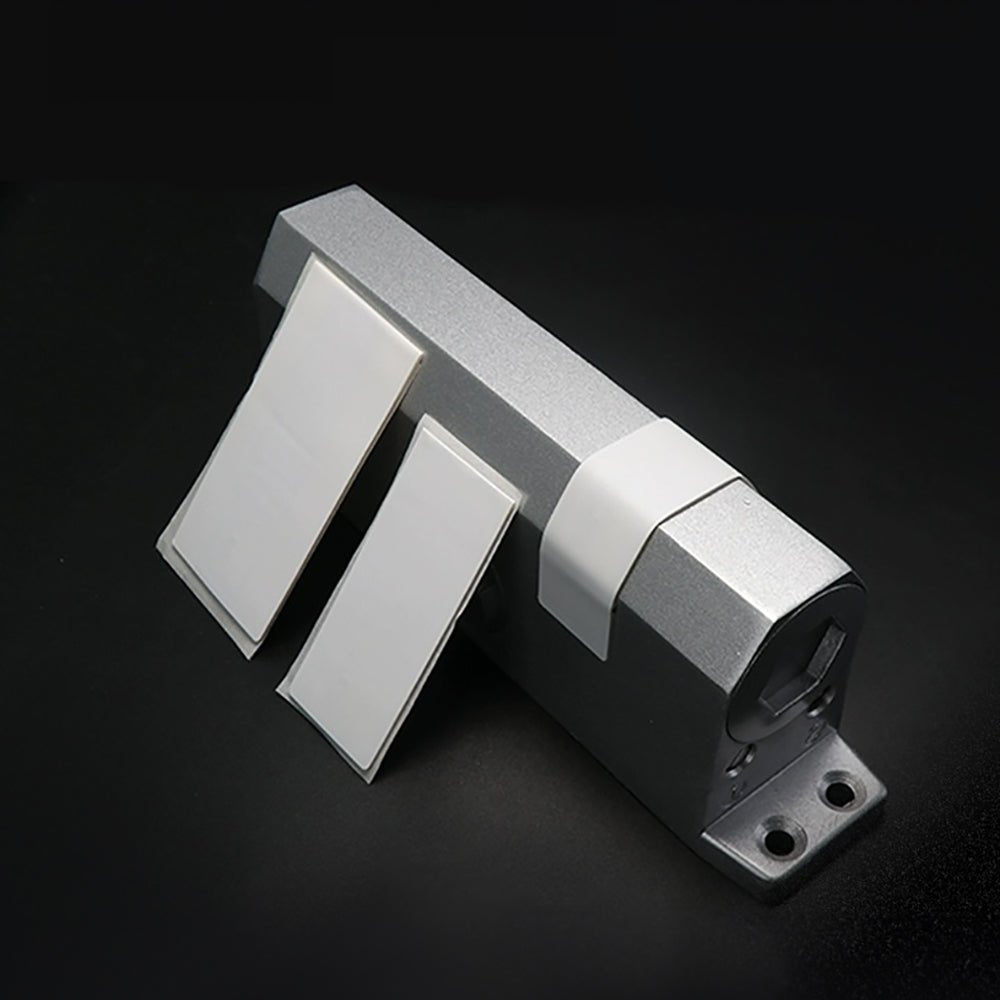
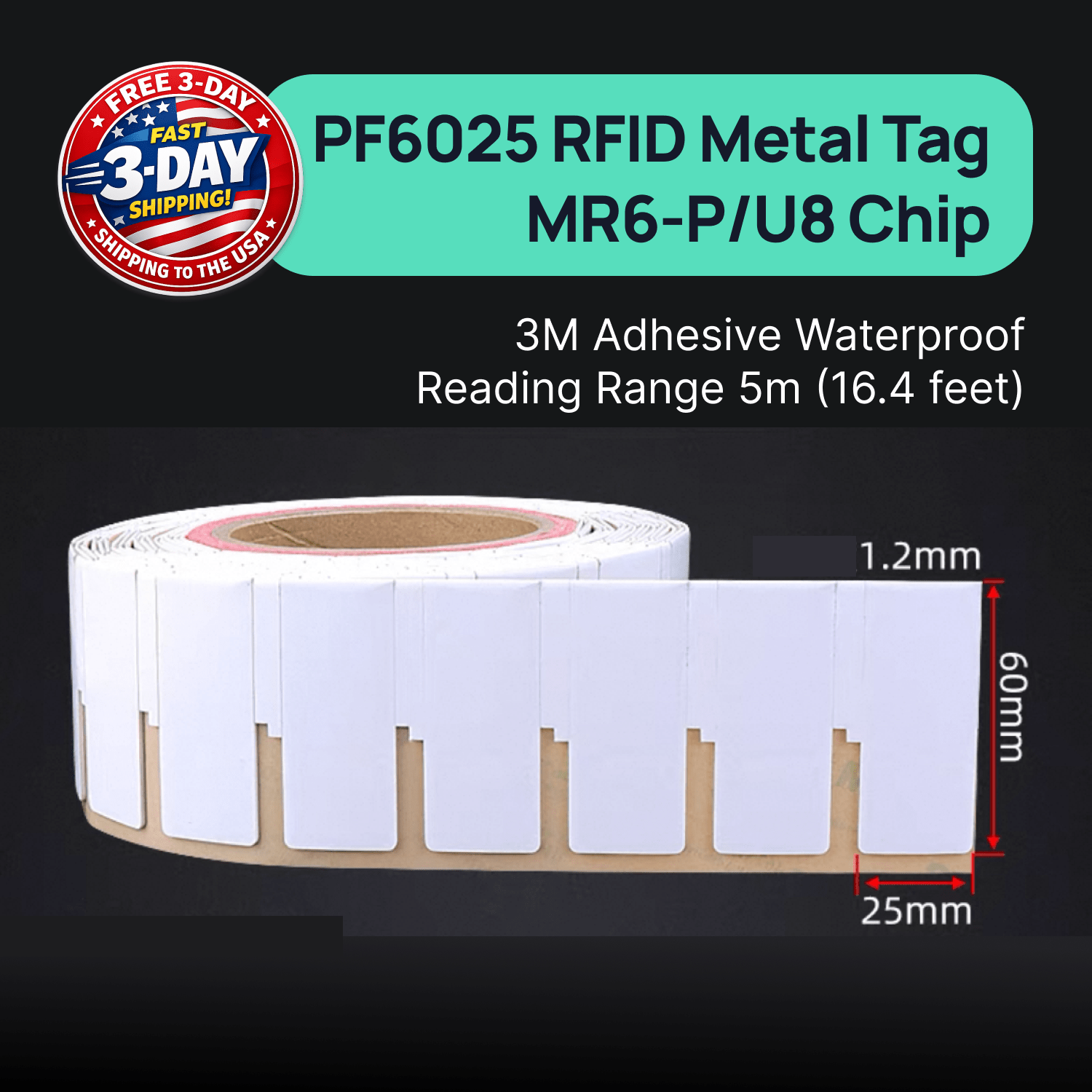
The PF6025 On Metal tag provides a simpler, lower-profile option for metal containers where a thin 1.2mm tag is preferred. With its 3M adhesive backing, it sticks directly to steel recycling bins, compactors, and metal cart frames. The built-in ferrite spacer maintains a 12-meter read range on metal surfaces.
Weatherproof Adhesive Tags for Plastic Bins
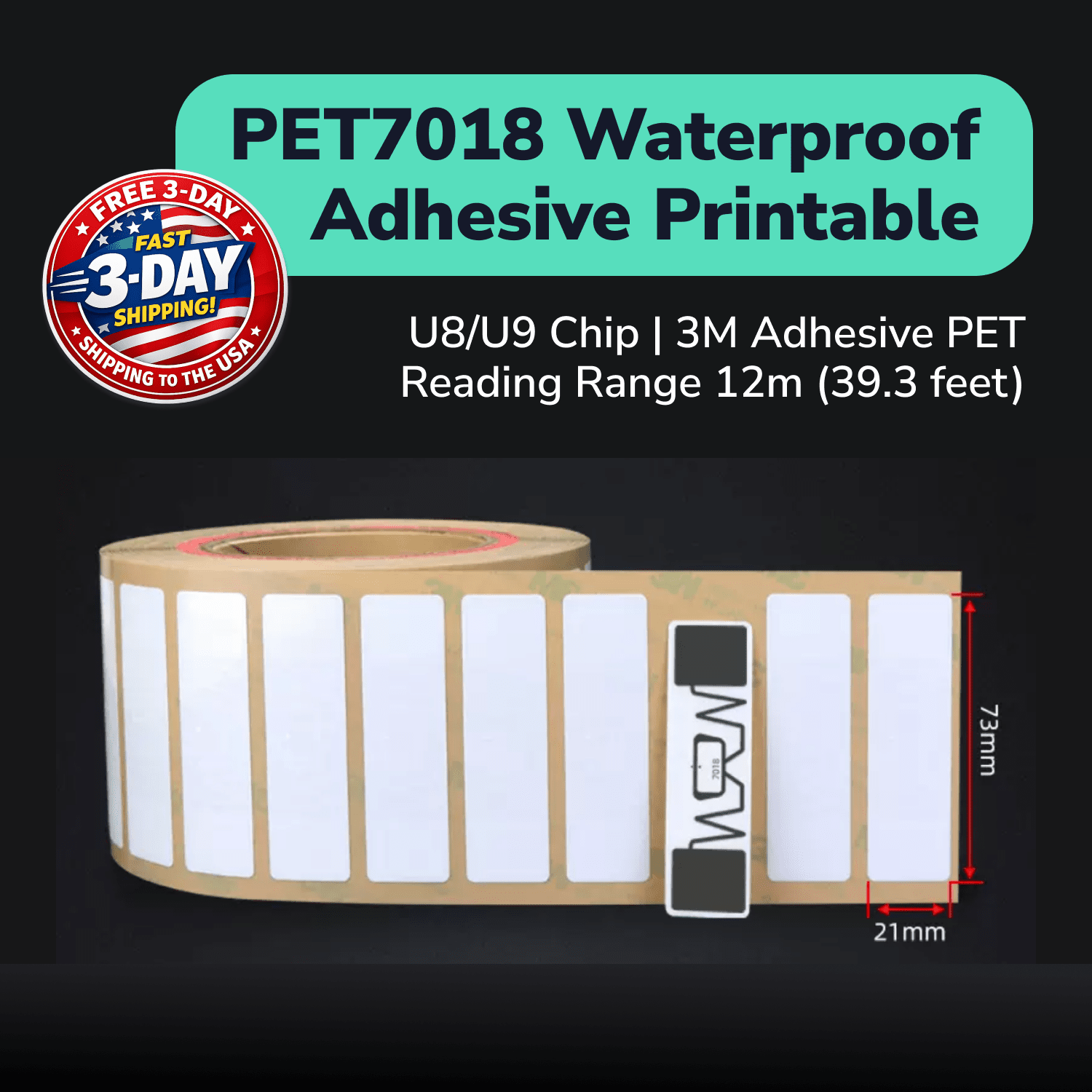
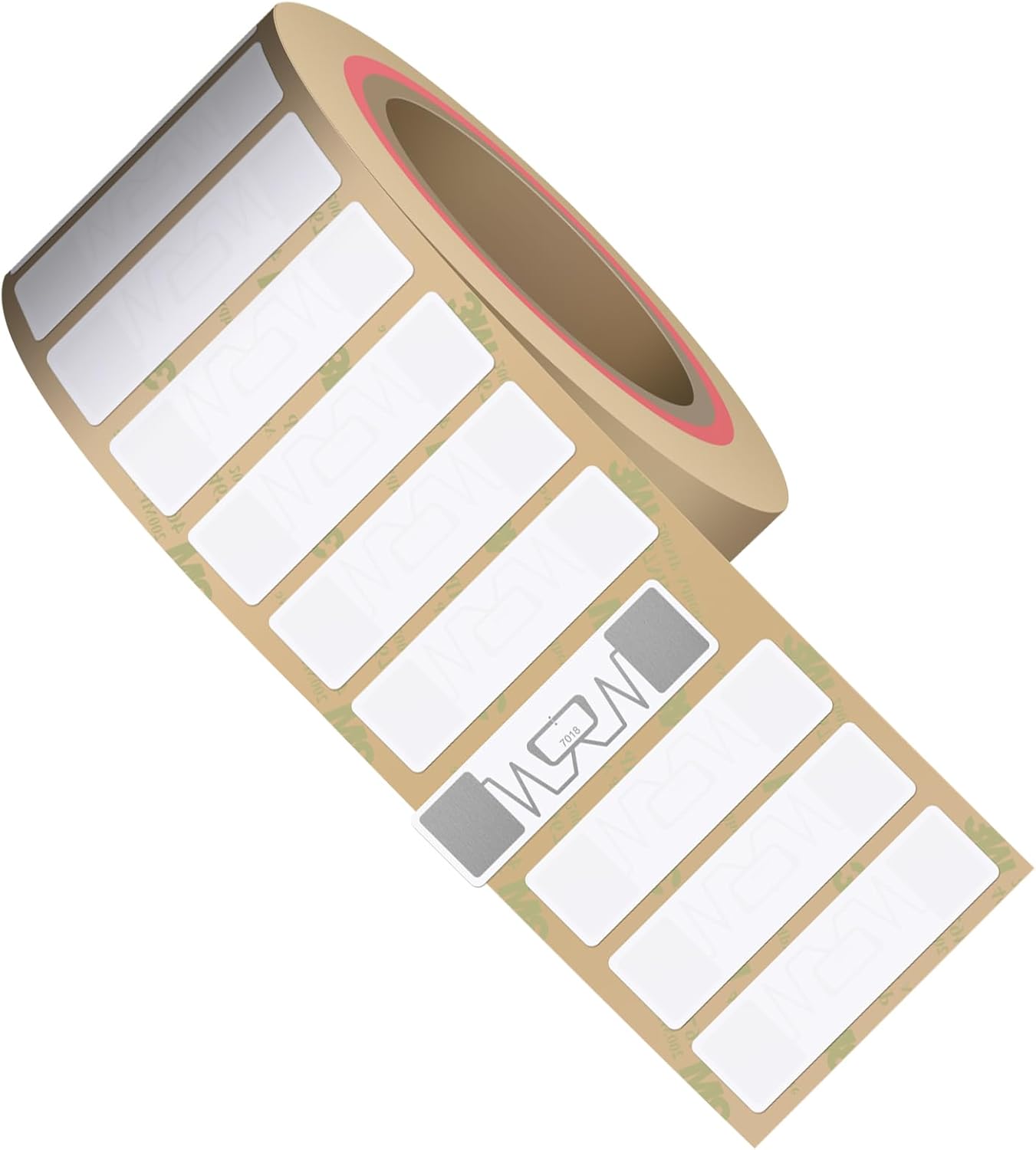
For plastic residential bins that do not need the mechanical security of a cable tie, the PET7018 Waterproof PET tag offers a simple adhesive solution. It operates from -20 degrees C to 60 degrees C and is sealed in waterproof PET material. The 3M adhesive backing attaches to bin bodies or lids in one step.
RFID Product Comparison for Waste Management
| Tag | Attachment Method | Durability | Read Range | Best Waste Management Use Case |
|---|---|---|---|---|
| ZD330 Cable Tie | Nylon strap through bin holes | 40 kg tensile strength, UV-resistant | Several meters | Residential bins, recycling carts, commercial containers |
| P102 ABS Mount on Metal | Adhesive, screws, or straps | Impact-resistant, corrosion-proof | Varies | Steel dumpsters, roll-off containers, heavy-duty bins |
| PF6025 On Metal | 3M adhesive peel-and-stick | Thin 1.2mm profile | 12 meters | Metal recycling bins, compactors, cart frames |
| PET7018 Waterproof PET | 3M adhesive | Waterproof, temperature-rated | 12 meters | Plastic residential bins, outdoor cart lids |
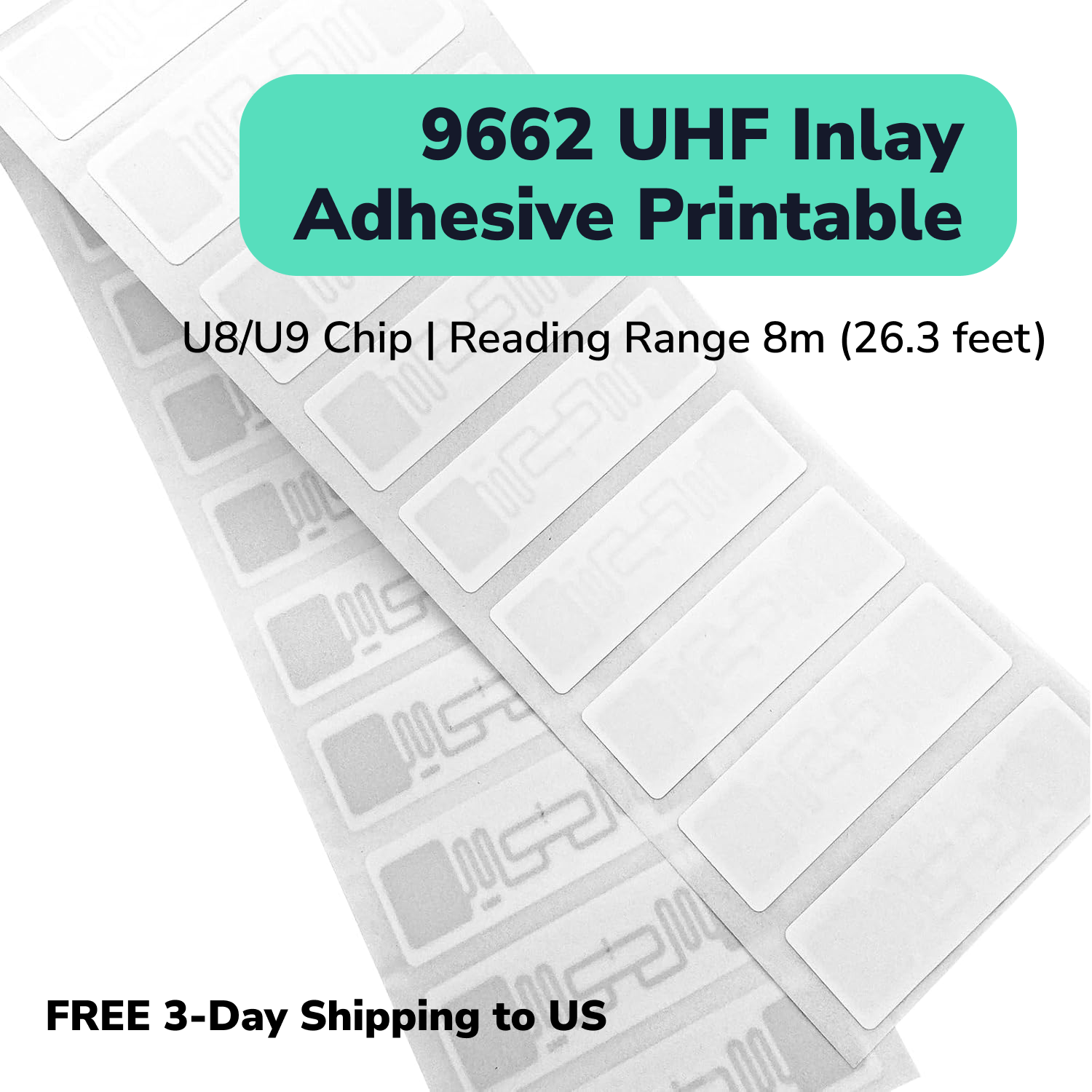
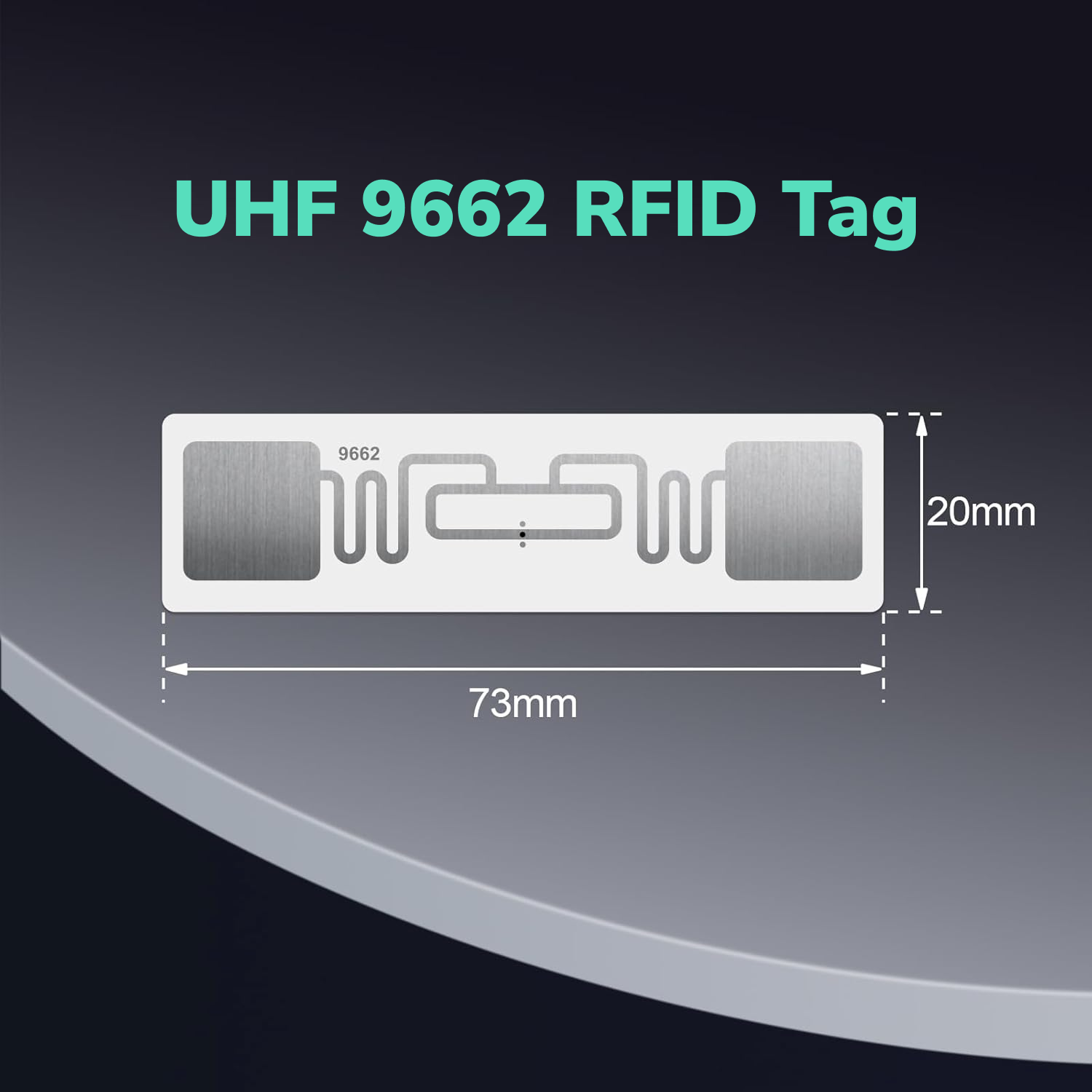
| 9662 Long Range UHF Sticker | 3M adhesive | Standard durability | 12 meters | General fleet tracking, inventory management |
From Collection to Sorting: RFID Across the Waste Chain
RFID tracking adds value at multiple stages of the waste management process:
- Route verification: Truck-mounted readers log each bin as it is lifted, creating an auditable record of every collection.
- Missed collection detection: Comparing scanned bins against the route manifest automatically flags bins that were not serviced.
- Weight-based billing: RFID identifies each bin as it passes over a truck scale, enabling pay-as-you-throw pricing models.
- Contamination tracking: Scanning bins at the sorting facility identifies which routes or areas are producing contaminated recycling.
- Fleet management: Tracking container assignments, maintenance schedules, and replacement cycles across large geographic service areas.
Getting Started with RFID for Waste Management
Start with a pilot route using ZD330 Cable Tie tags on residential bins and a fixed reader on one collection truck. The cable tie tags install in seconds without tools and the reader logs every bin automatically during normal collection operations. Once validated, expand across additional routes and add P102 ABS Mount tags for your steel dumpster fleet. Most waste management operations achieve full ROI within the first year through reduced missed-collection complaints and improved route efficiency.