


RFID Tracking for High-Performance Racing Car Composite Parts
In motorsport manufacturing, racing teams need to track carbon fiber composite panels, bodywork components, and structural parts through curing ovens, autoclaves, assembly bays, and quality inspection stations. These components undergo extreme temperatures during manufacturing — carbon fiber curing processes routinely reach 120 to 180 degrees Celsius, and some heat treatments can exceed 200 degrees.
Standard RFID tags fail at these temperatures. The adhesive backing melts, the inlay delaminates, and the chip becomes unreadable. This makes most RFID solutions unsuitable for tracking composite parts through the full manufacturing cycle. TAGTIX provides a heat-resistant UHF RFID tag specifically designed for this environment.
The Challenge: Extreme Heat, Carbon Fiber, and Tight Spaces
Racing car composite tracking presents several technical challenges:
- High temperatures: Carbon fiber curing in autoclaves and ovens reaches 120 to 200 degrees Celsius. Standard PET tags survive only up to 60 to 80 degrees.
- Carbon fiber interference: Carbon fiber is conductive and interferes with UHF radio signals, similar to metal surfaces. Tags need anti-metal properties to maintain read performance.
- Compact form factor: Racing car panels and components are thin and aerodynamic. Bulky tags create drag, interfere with fitment, or get damaged during handling.
- Harsh workshop environment: Tags must survive exposure to resins, solvents, dust, and mechanical handling throughout production.
- Traceability requirements: Each composite panel needs a unique identifier that persists through curing, trimming, assembly, and track deployment.
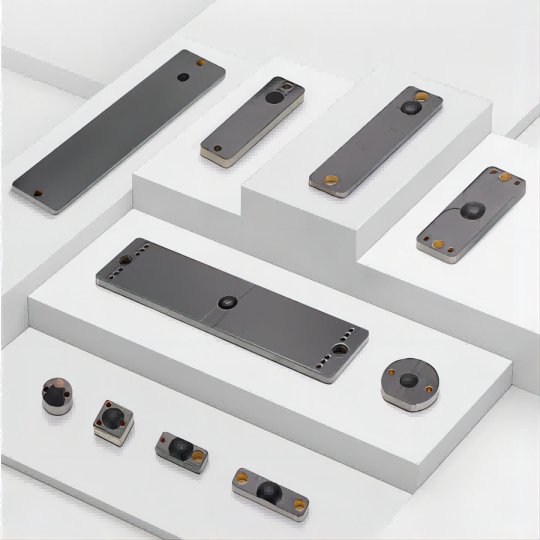
The Solution: PCB Heat-Resistant UHF RFID Tag with Anti-Metal Properties
Why the PCB Heat-Resistant Tag Works for Motorsport Composites
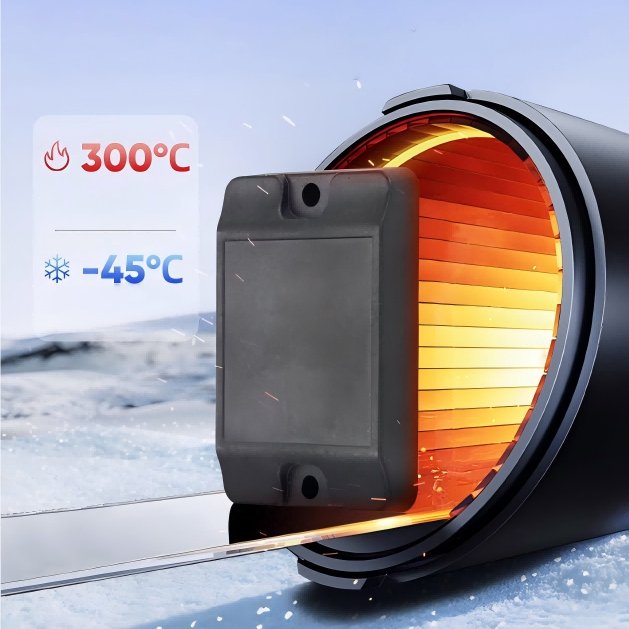
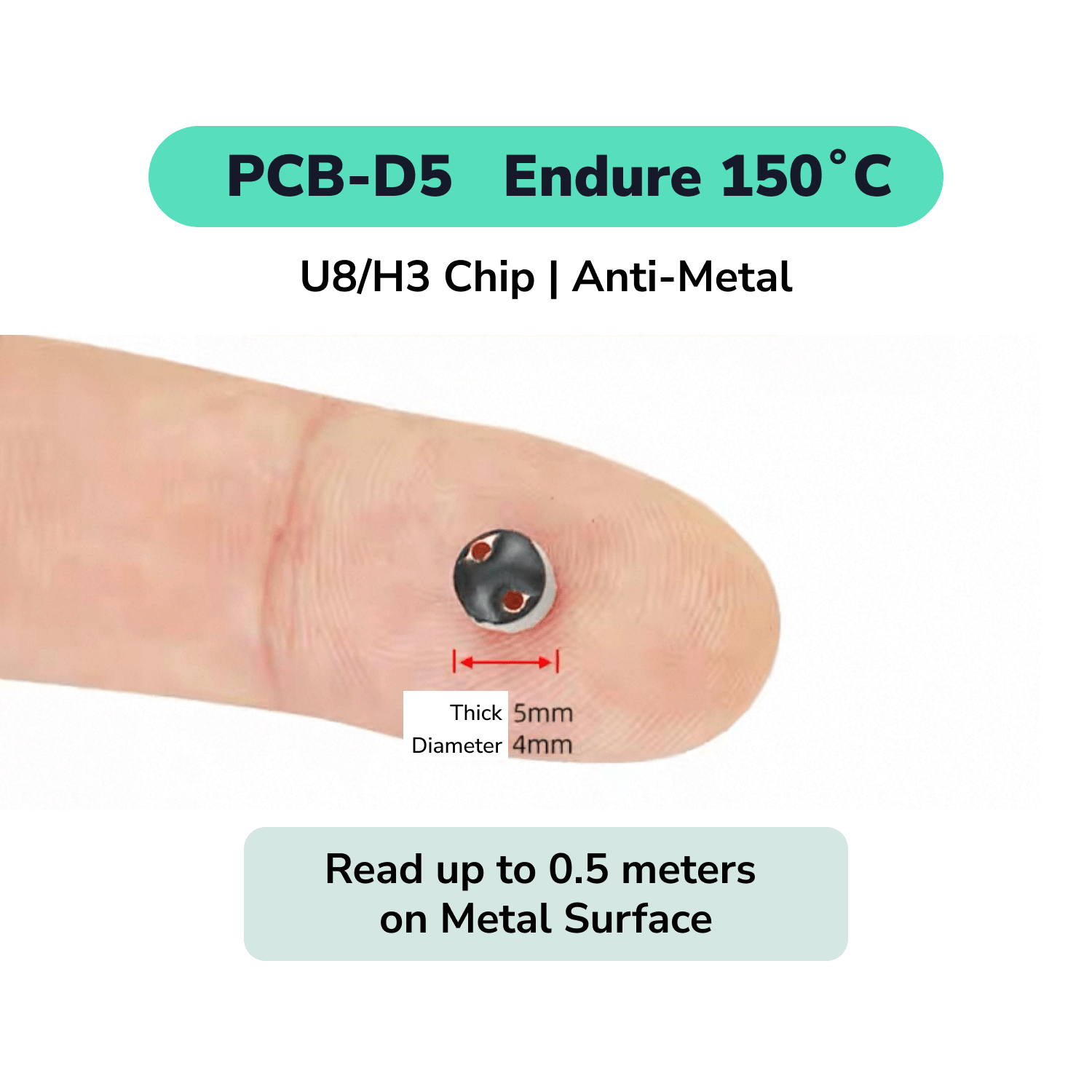
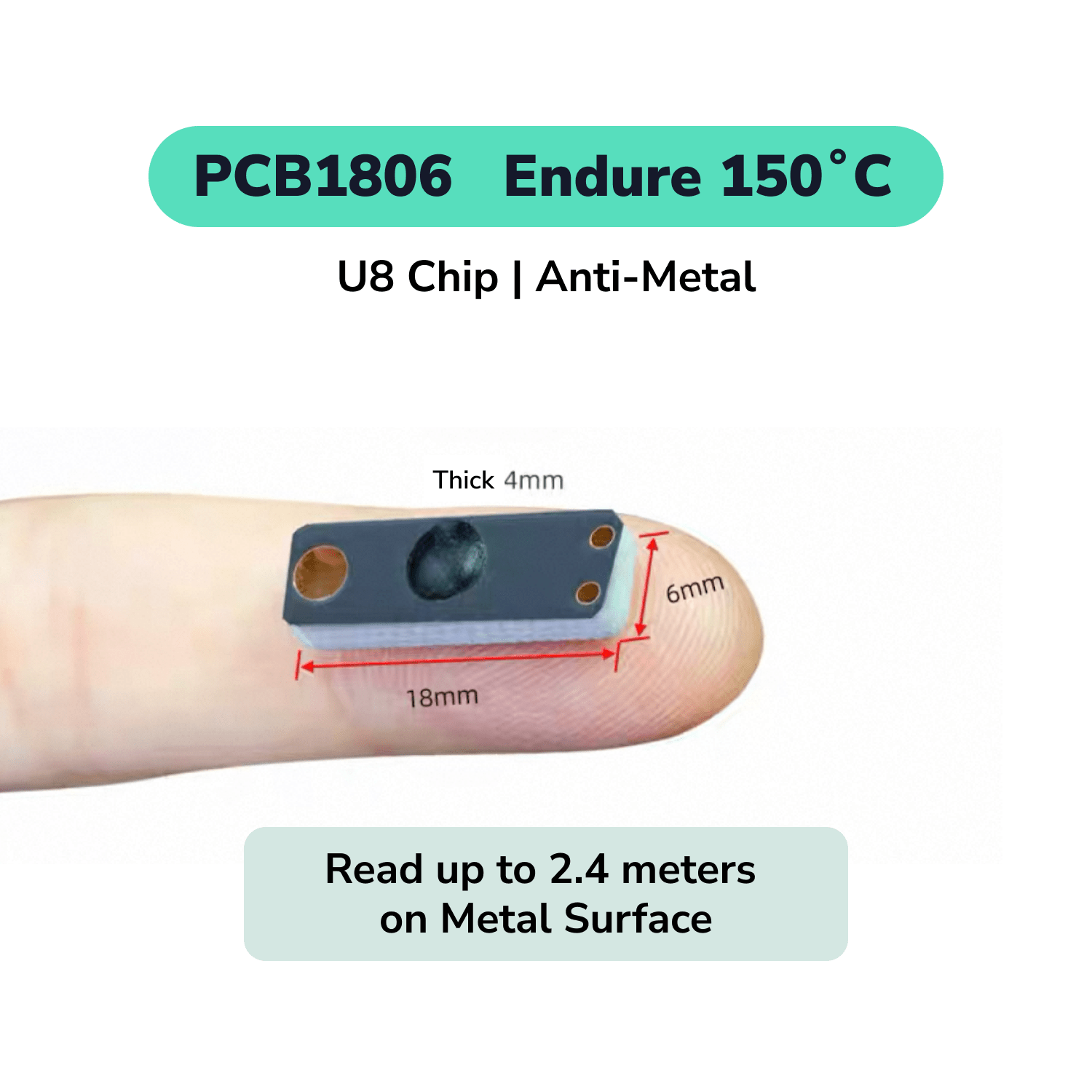
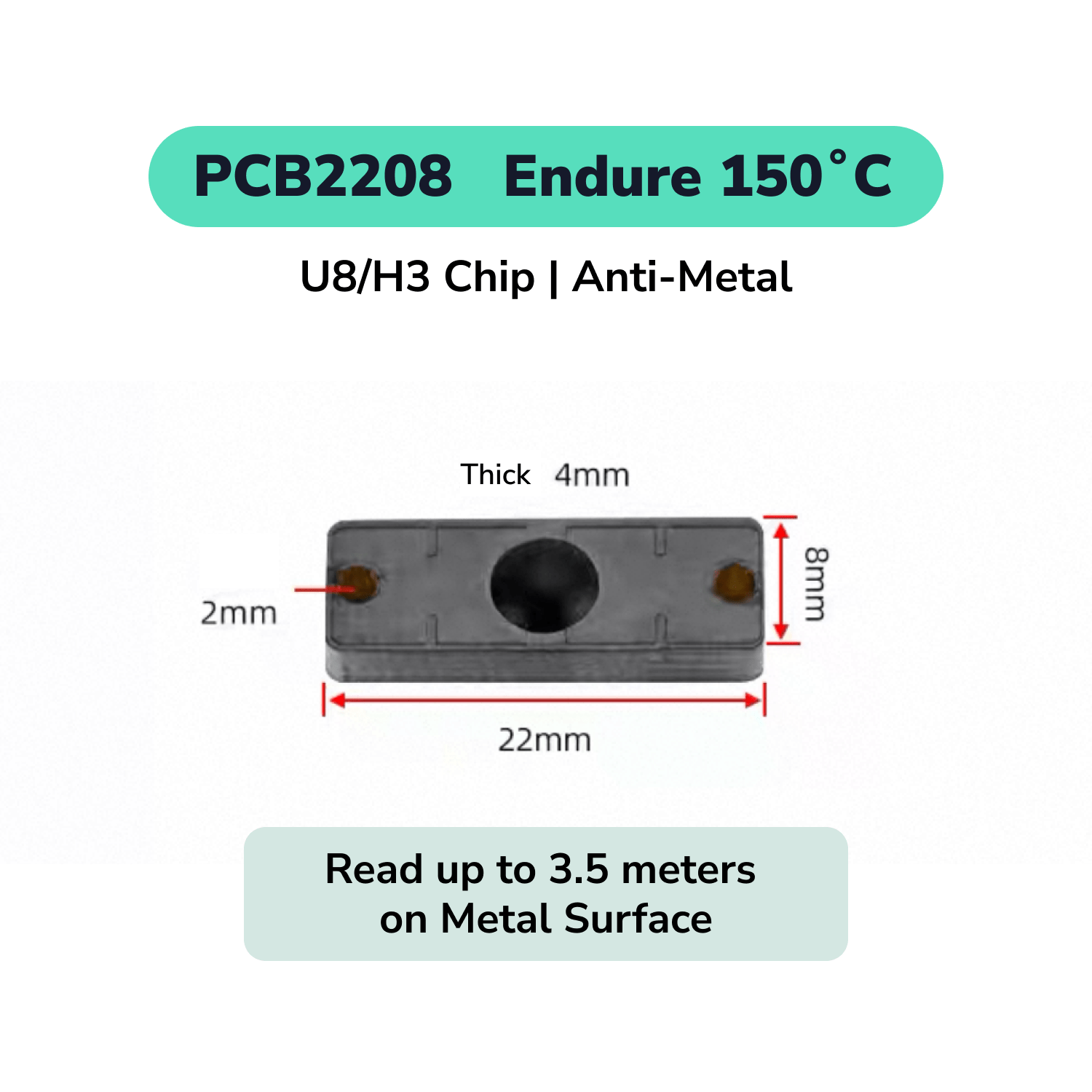
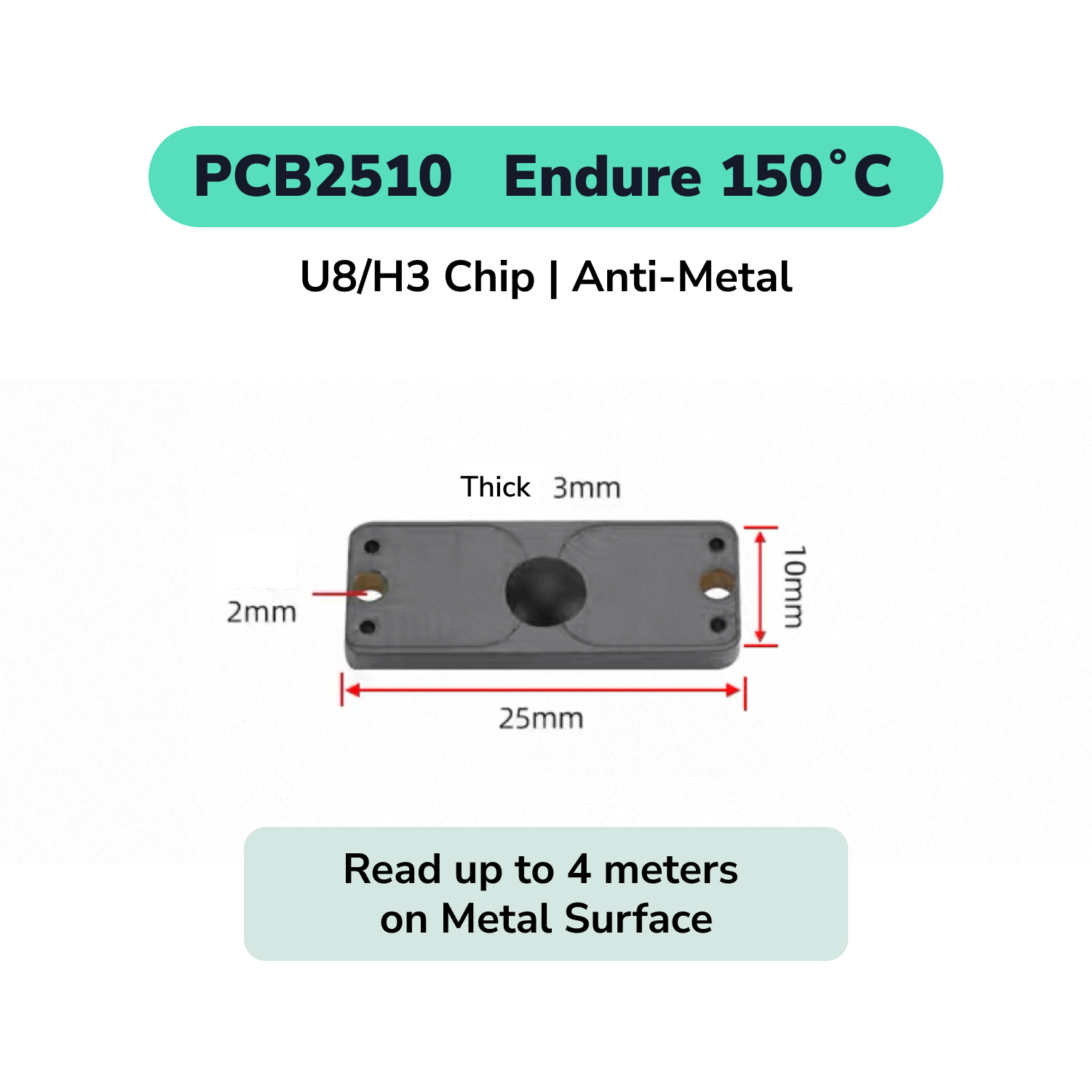
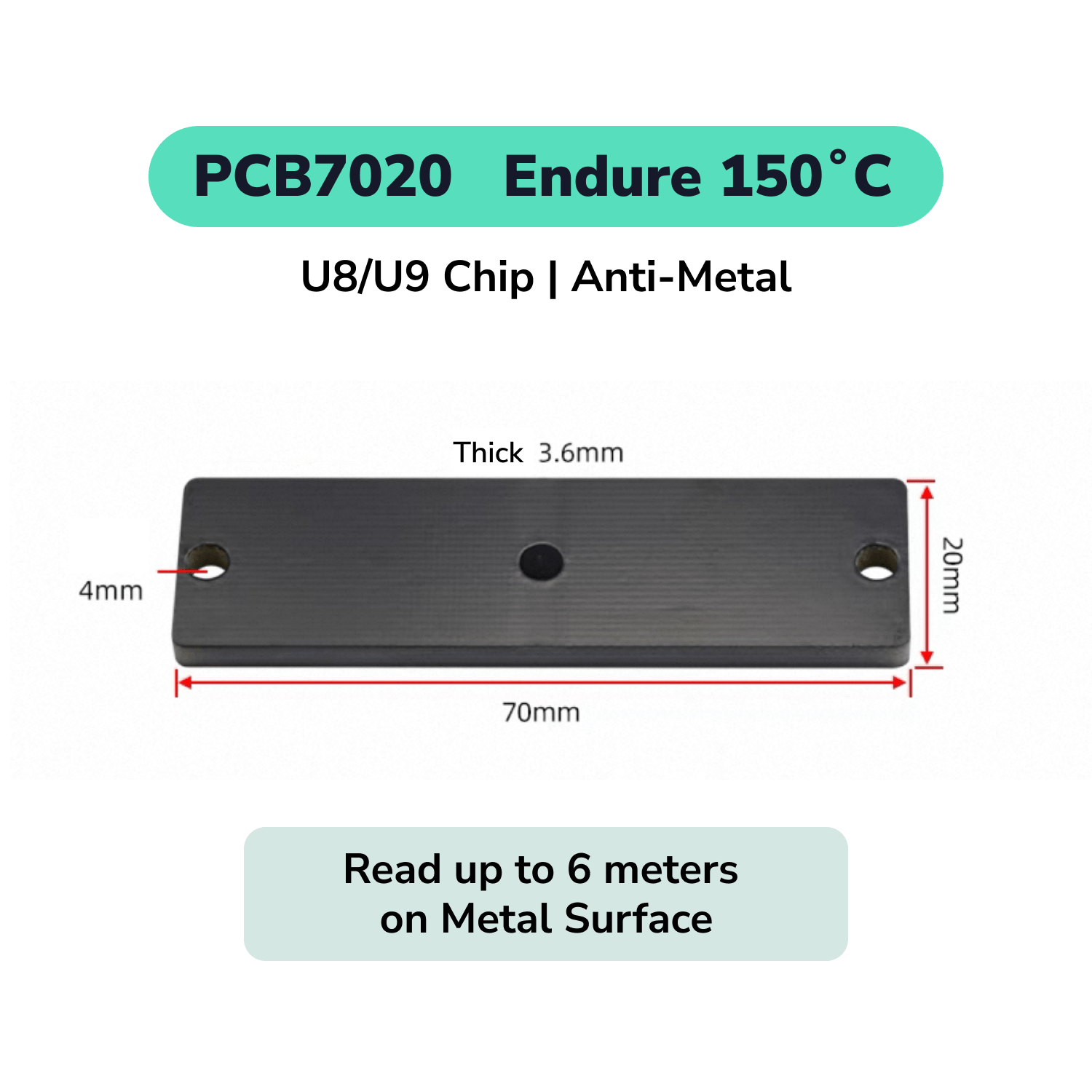
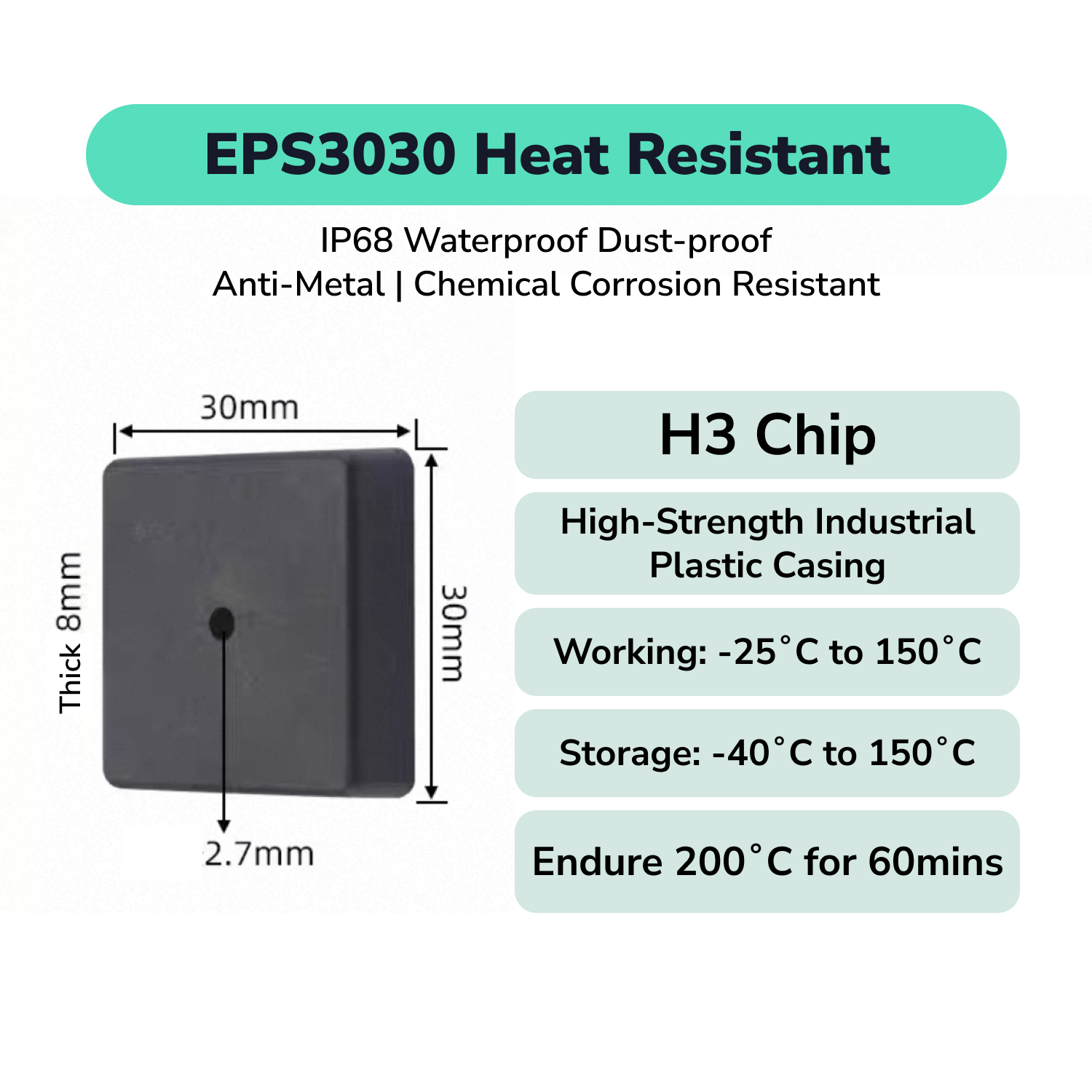
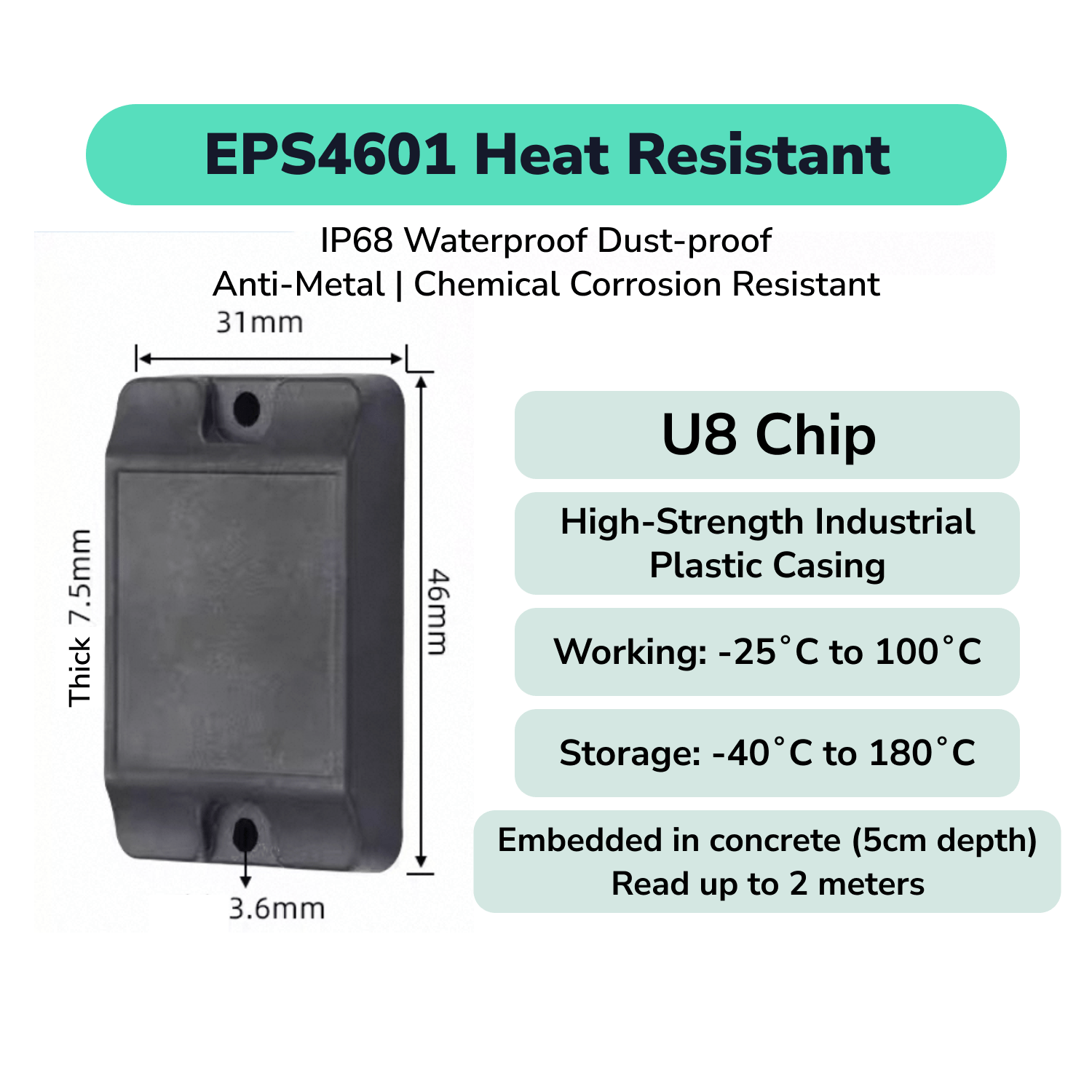
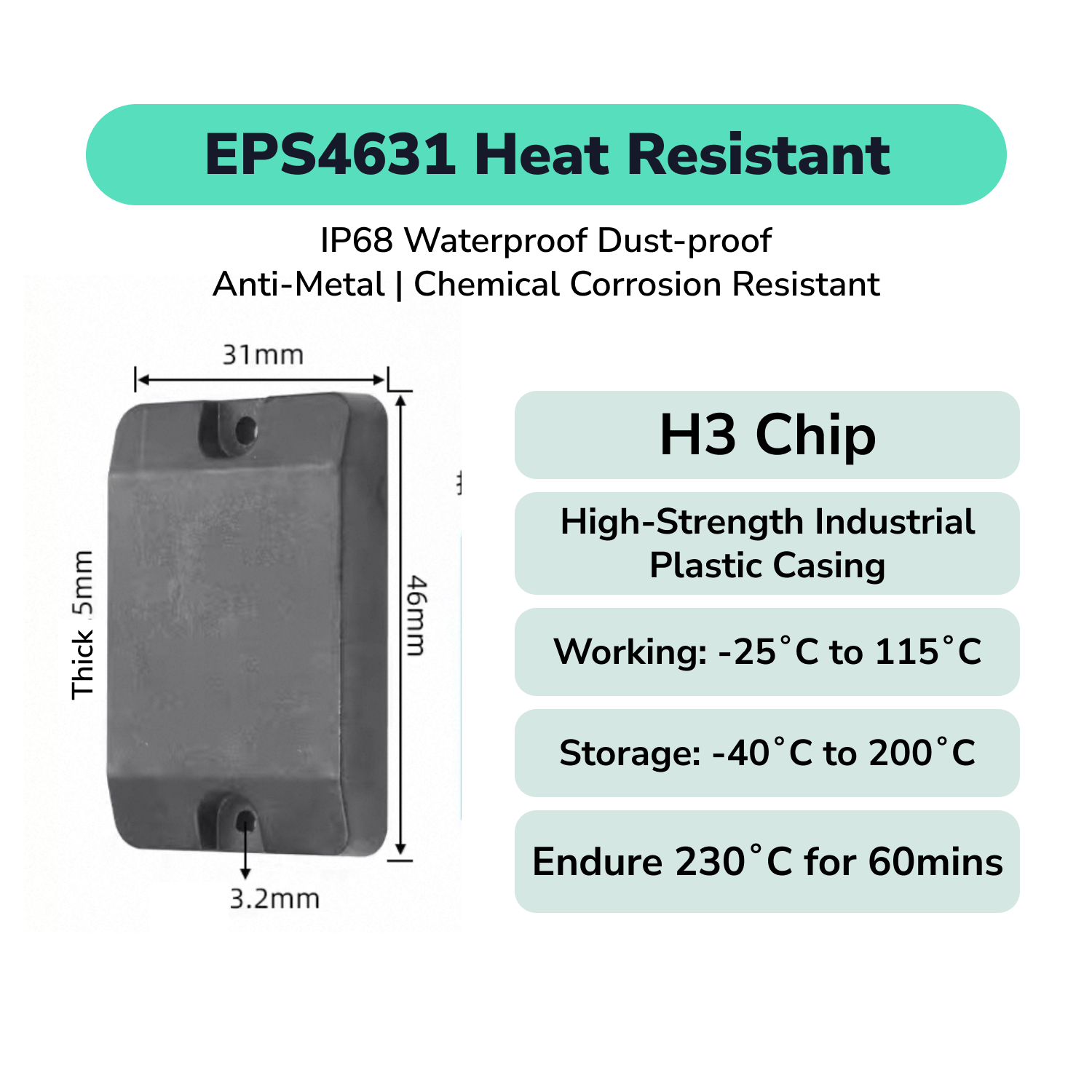
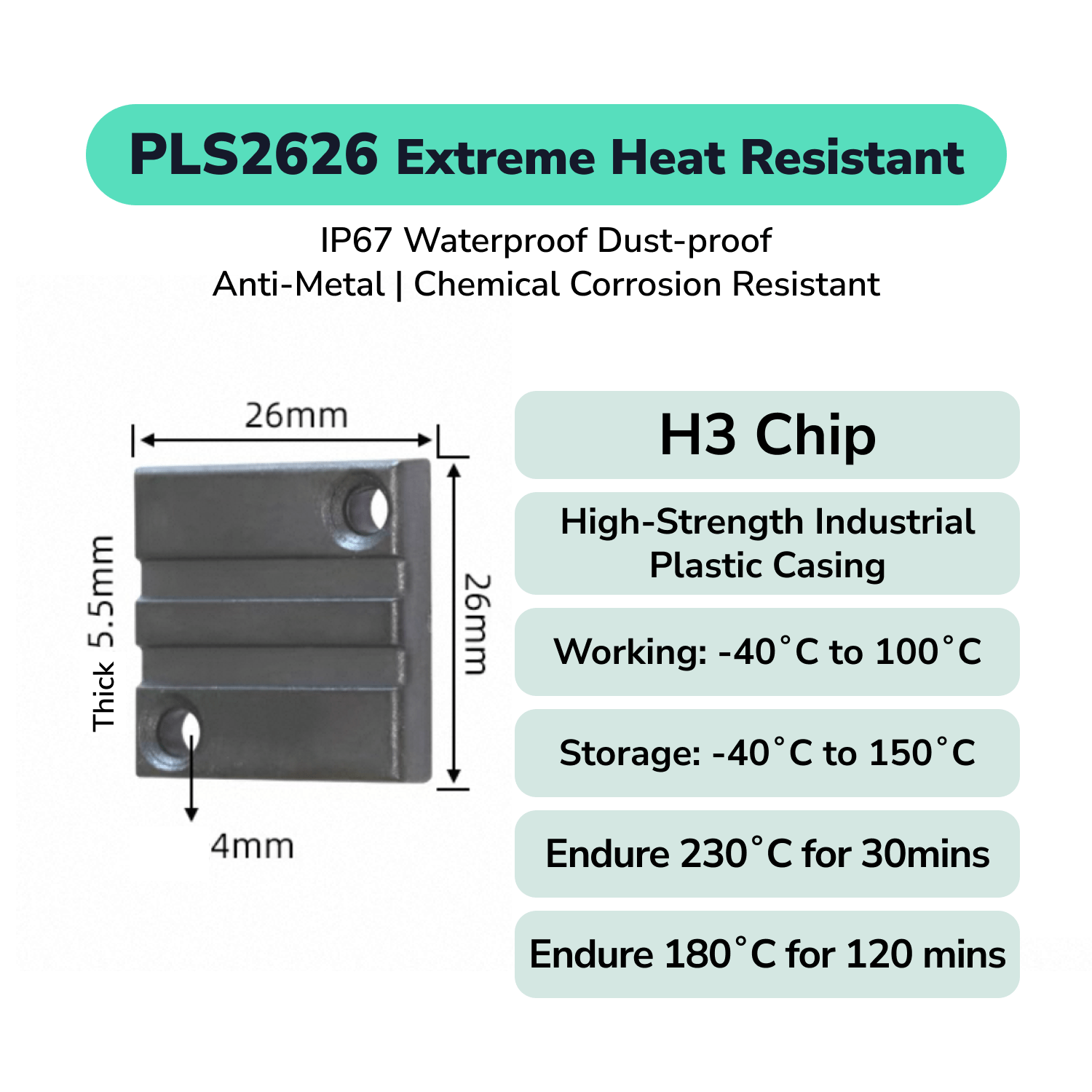
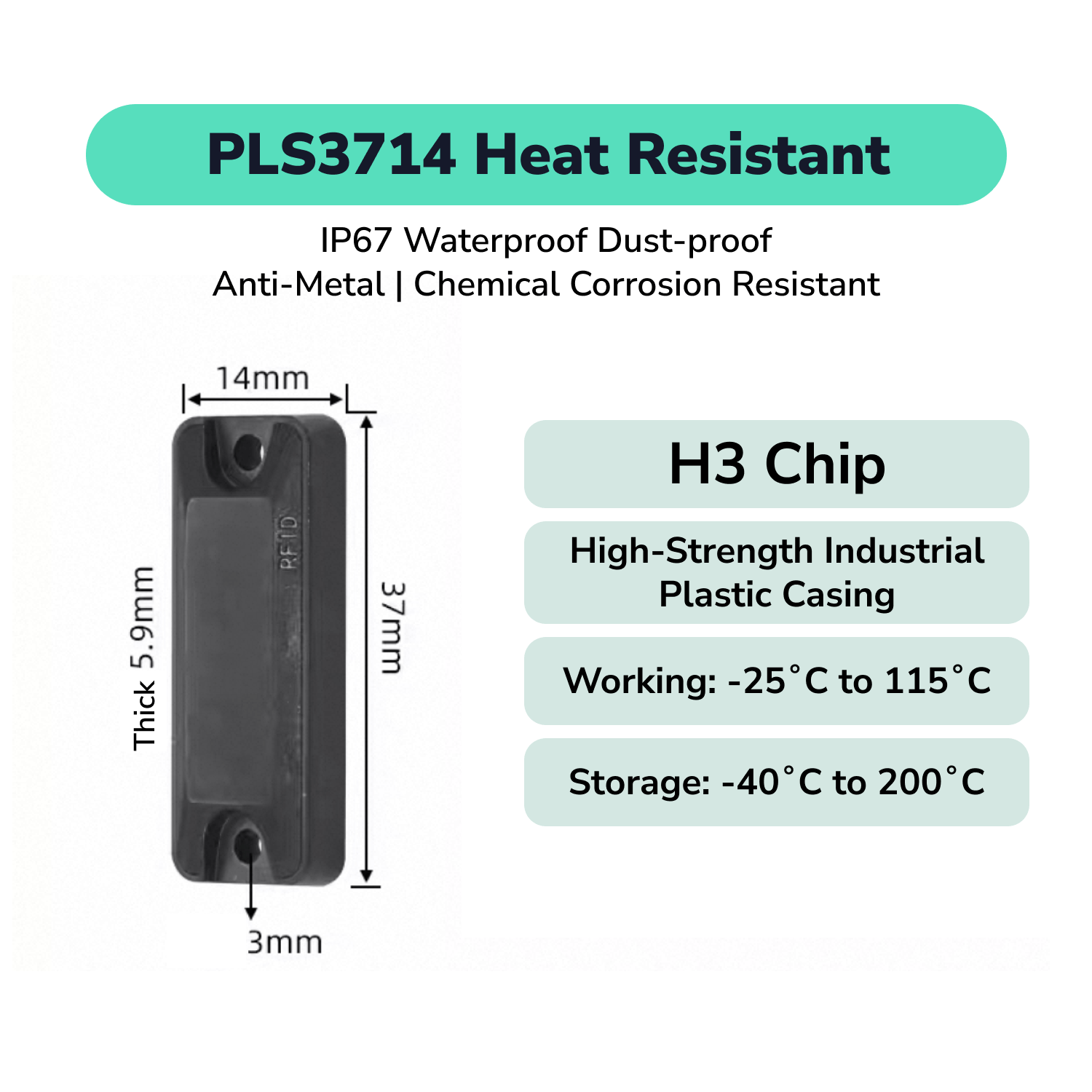
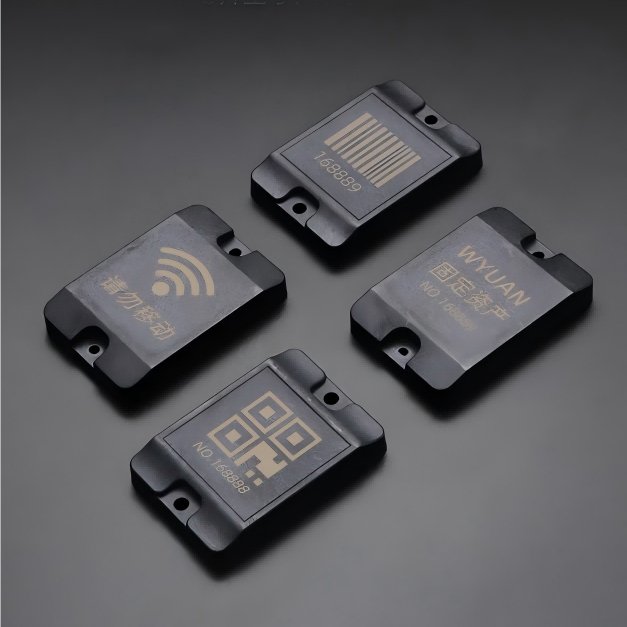
The PCB Material High Temperature RFID Tag is built on a PCB and EPS substrate that withstands operating temperatures from minus 45 degrees Celsius up to 300 degrees Celsius. This covers the full range of carbon fiber curing processes and post-cure heat treatments used in motorsport.
The tag includes an anti-metal ferrite layer that enables reliable reading even when mounted on conductive carbon fiber surfaces. Without this layer, the carbon fiber would absorb or reflect the UHF signal, making the tag invisible to readers.
How Tags Are Applied to Composite Parts
- Surface preparation: Clean the composite surface area where the tag will be placed. Ensure the area is flat and free of resin drips or texture irregularities.
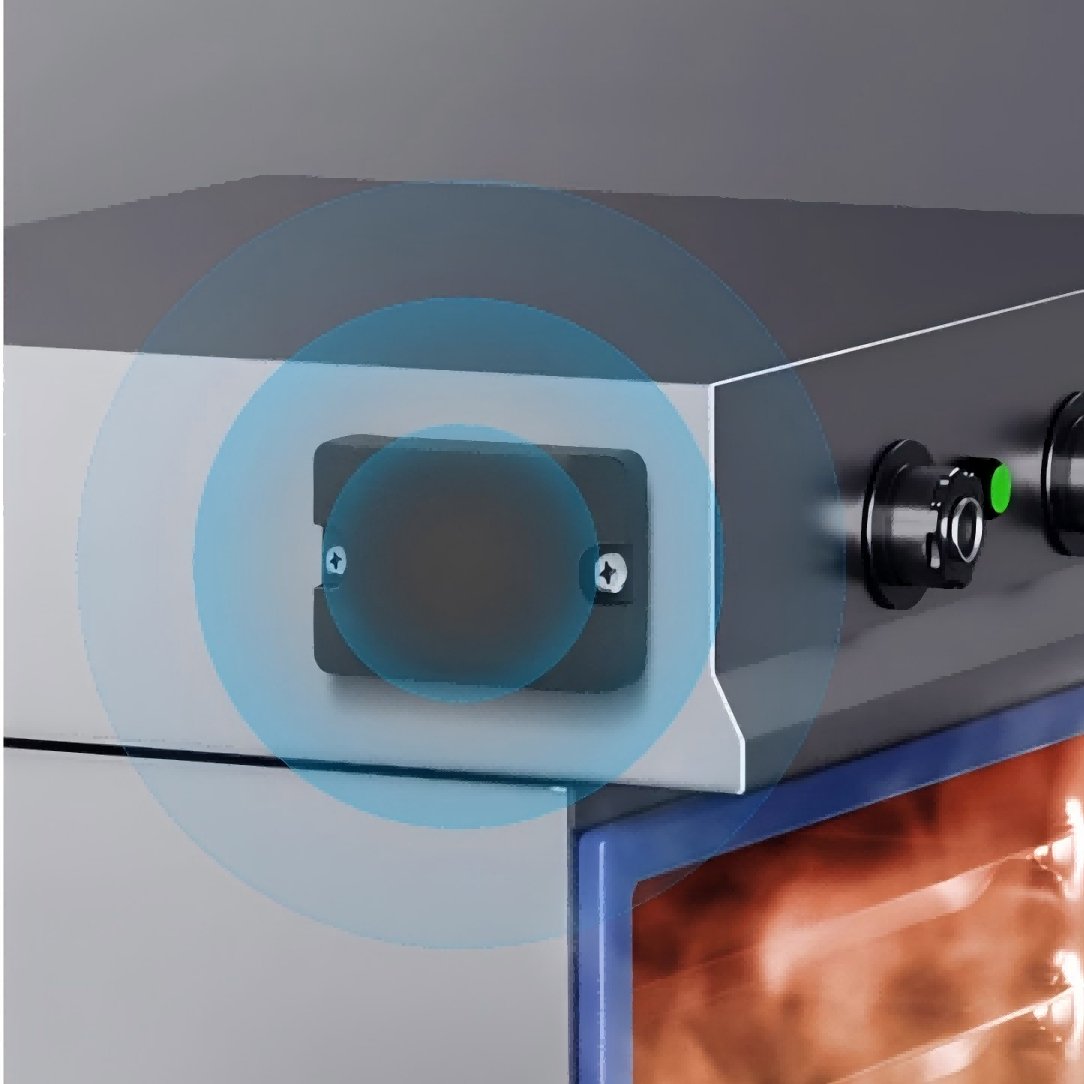
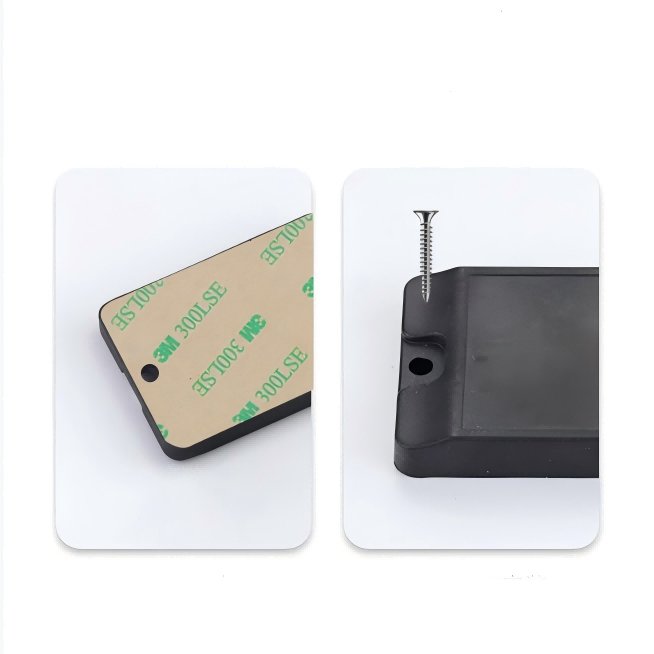
- Mounting options: The PCB tag supports both 3M adhesive backing and screw mounting. For flat panels, adhesive is sufficient. For high-vibration areas or parts that undergo frequent handling, screw mounting provides permanent attachment.
- Placement strategy: Mount tags on the inner surface or non-aerodynamic face of the component to avoid interference with the final aerodynamic profile. Common placement areas include the back of floor panels, inside wheel arches, or on structural bulkheads.
- Programming: Each tag is programmed with a unique EPC code before or after application. The 96-bit EPC and user memory can encode part numbers, batch numbers, or cure cycle data.
For Very Small or Tightly Curved Parts
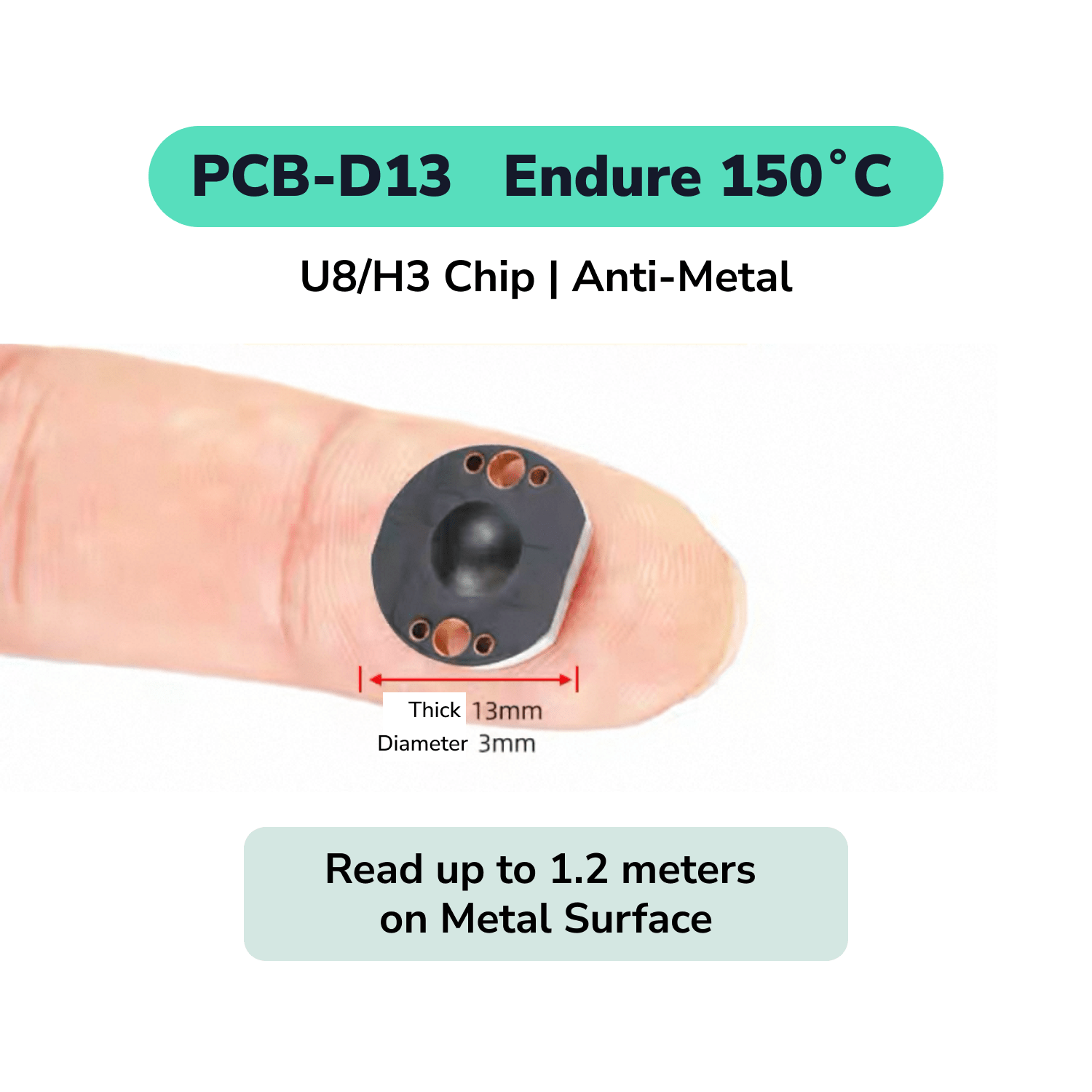
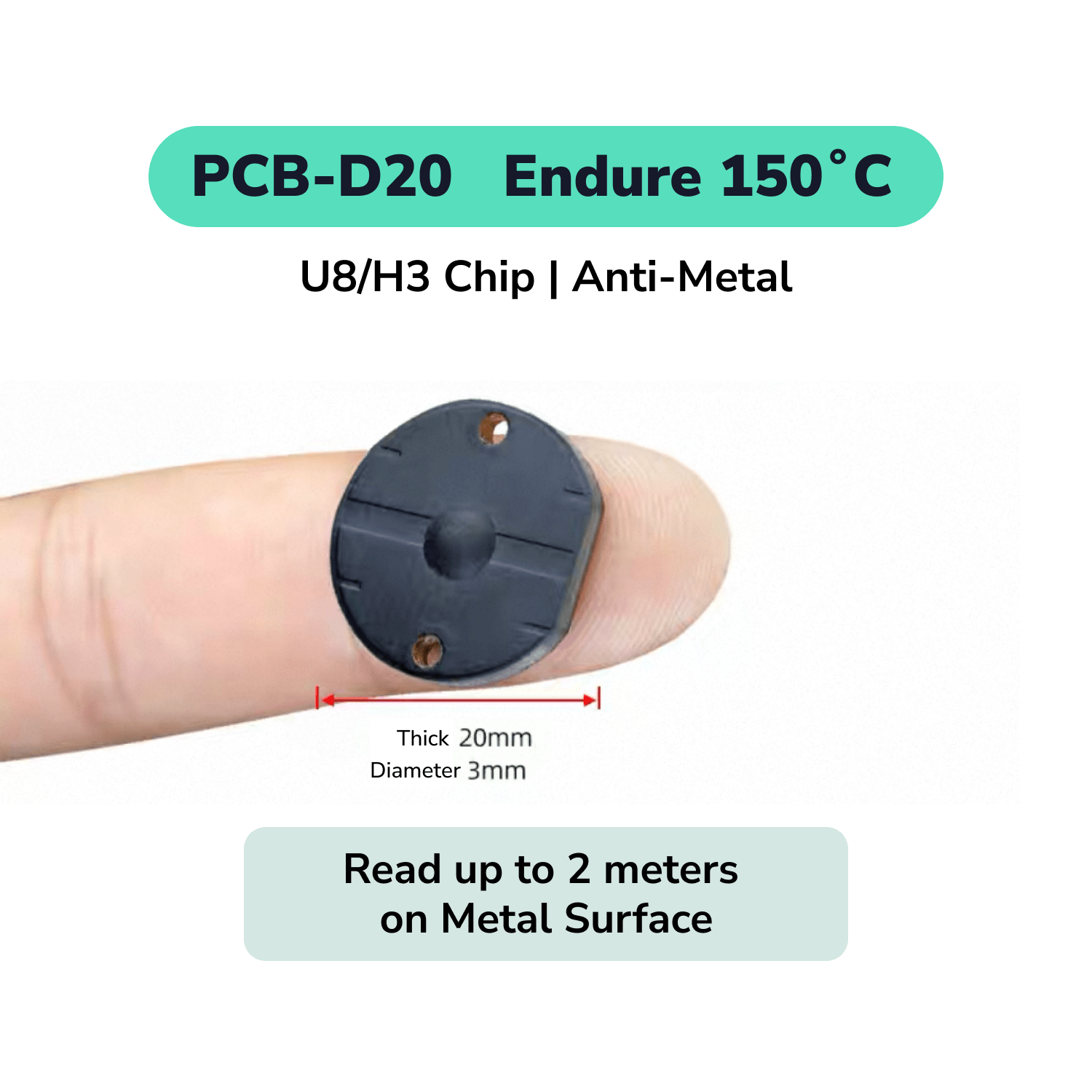
When the composite component is too small for the PCB tag, the Ultra Small UHF RFID Tag Sticker provides a minimal footprint alternative. While it does not match the 300-degree temperature rating, it works well for parts that do not go through the curing process, such as pre-formed inserts, trim pieces, or finished components at room temperature.
Key Benefits for Racing Teams and Composite Manufacturers
- Survives extreme heat: The PCB tag operates reliably from minus 45 degrees to 300 degrees Celsius, covering all standard composite curing processes.
- Anti-metal for carbon fiber: The ferrite backing ensures consistent read performance even on conductive carbon fiber surfaces.
- Multiple mounting methods: Adhesive, screw mount, or both — choose the best method for each component type.
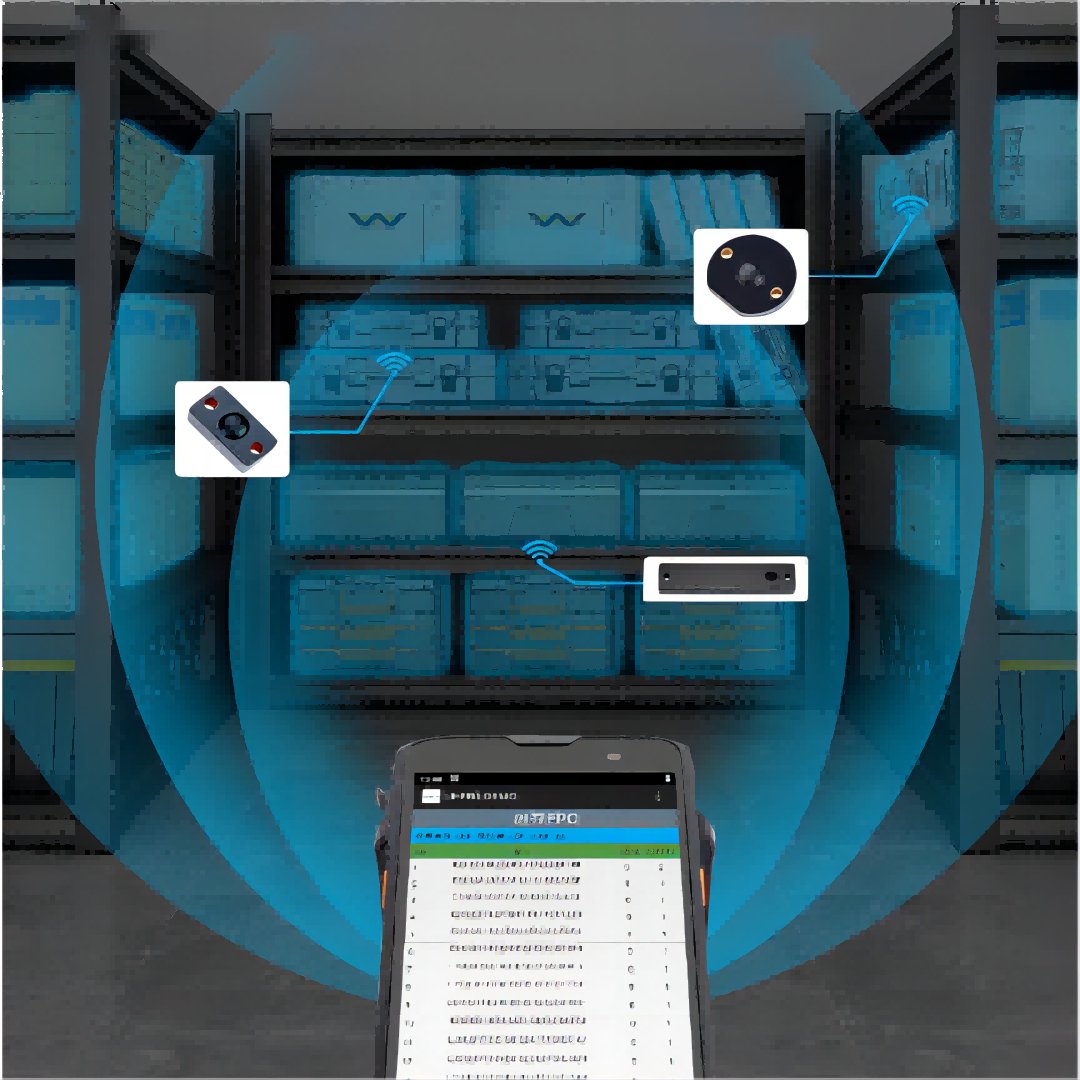
- 12-meter read range: Scan entire racks of composite panels from a distance, not one at a time.
- Full manufacturing traceability: Track each panel from layup through curing, trimming, assembly, and deployment.
- ISO 18000-6C / EPC Gen 2: Compatible with standard UHF readers and inventory management systems.
Product Specifications
| Specification | PCB Heat Resistant Tag | Ultra Small UHF Tag |
|---|---|---|
| Frequency | 860-960 MHz | 860-960 MHz |
| Protocol | ISO 18000-6C / EPC Gen 2 | ISO 18000-6C / EPC Gen 2 |
| Temperature Range | -45 to 300 degrees C | Standard operating range |
| Anti-Metal | Yes (ferrite layer) | No |
| Mounting | 3M adhesive + screw mount | Flexible self-adhesive |
| Read Range | Up to 12 meters | Up to several meters |
| Surface Compatibility | Metal, carbon fiber, composites | Plastic, composite, curved surfaces |
| Memory | 96-bit EPC + user memory | 96-bit EPC + user memory |
Best For
This solution is designed for motorsport teams, aerospace composite manufacturers, and high-temperature industrial environments where parts must be tracked through extreme thermal processes. It also suits foundry operations, furnace manufacturing, and any application requiring RFID on conductive or heated surfaces.