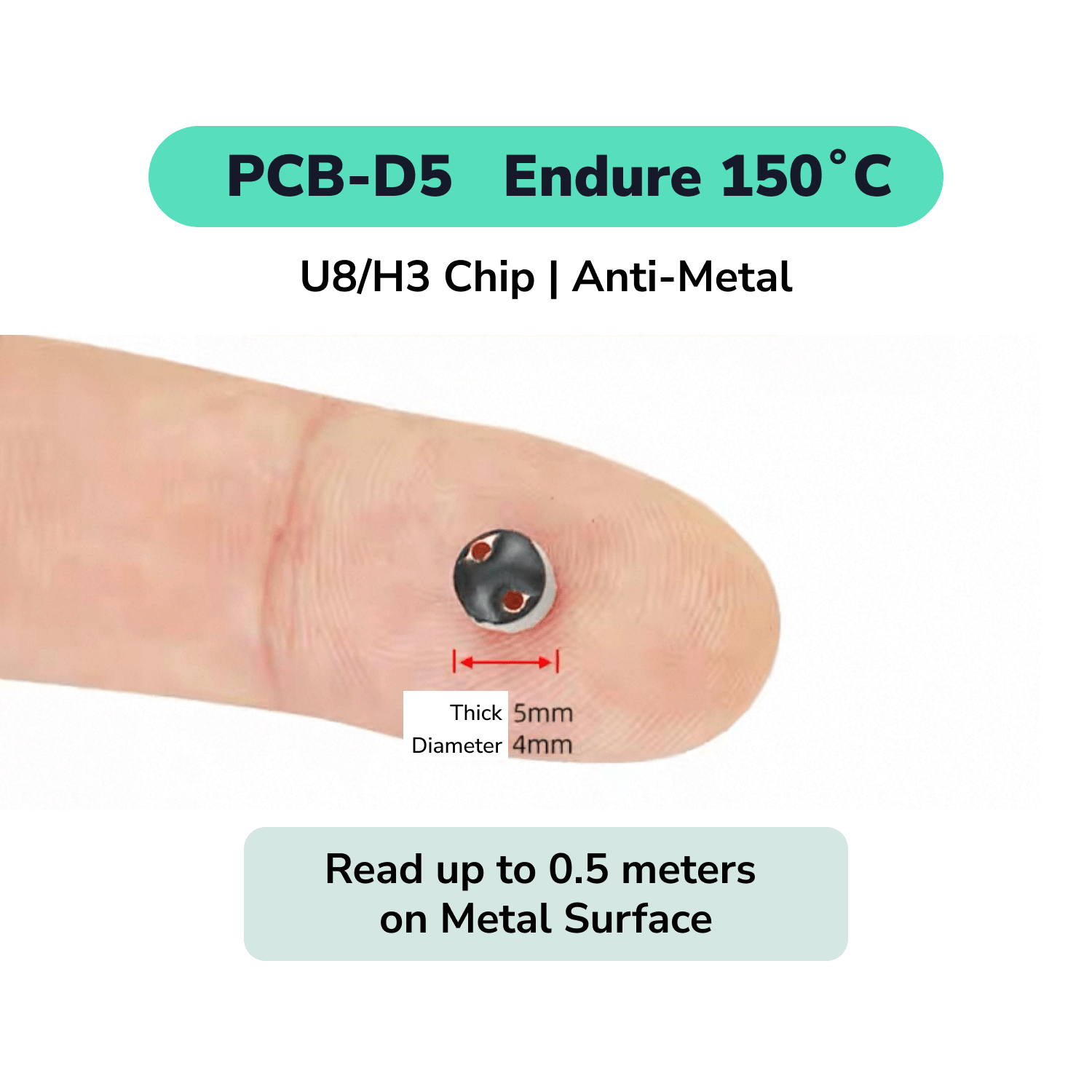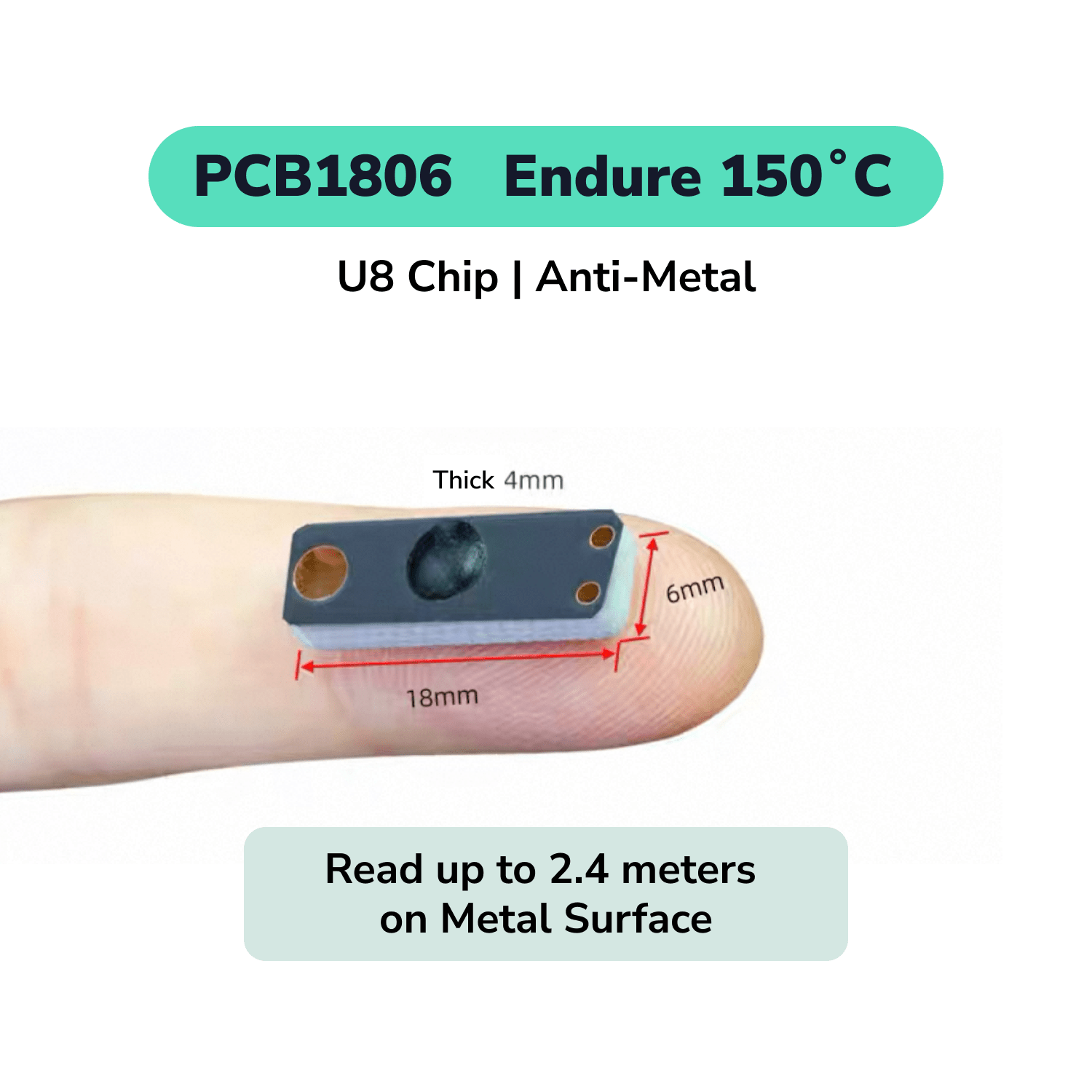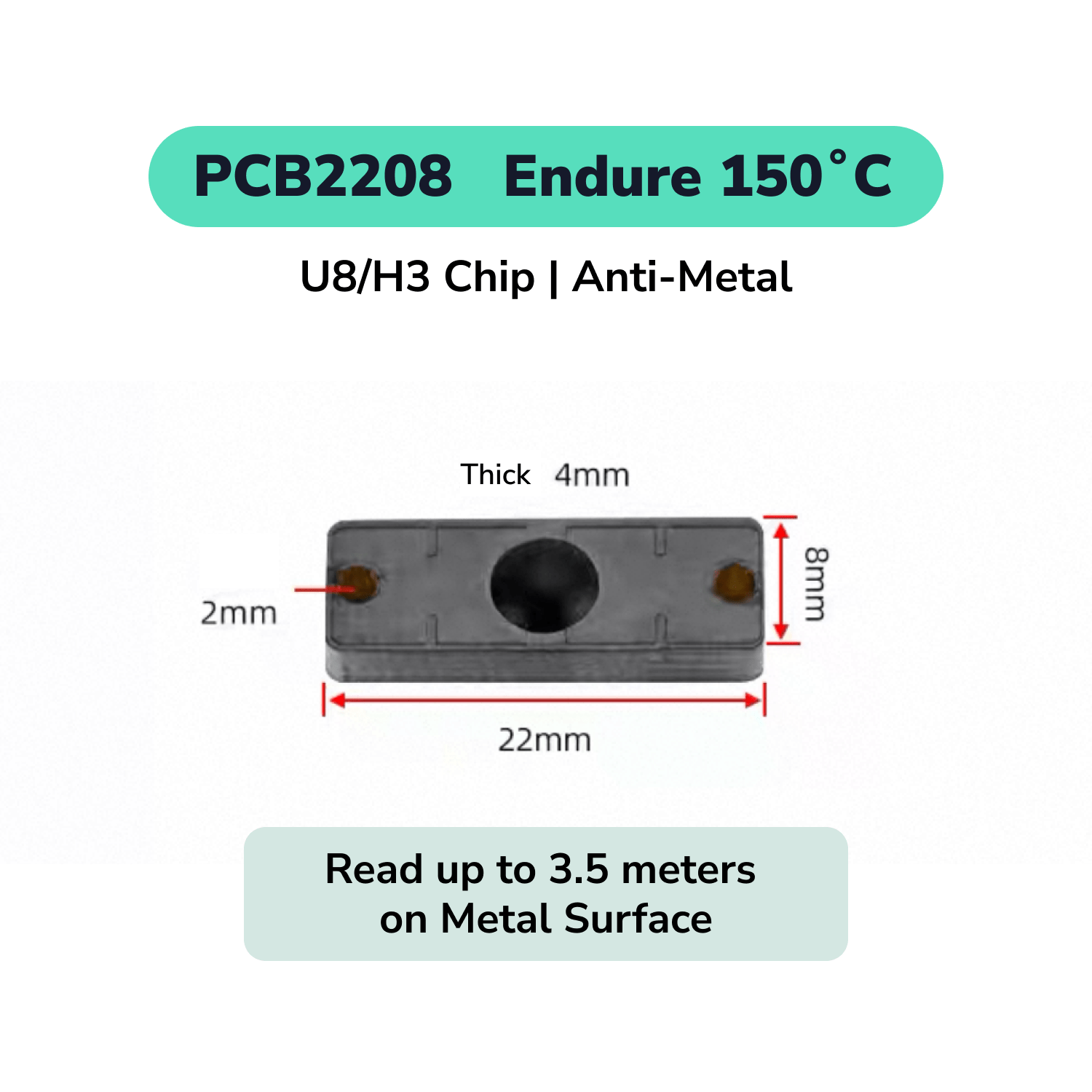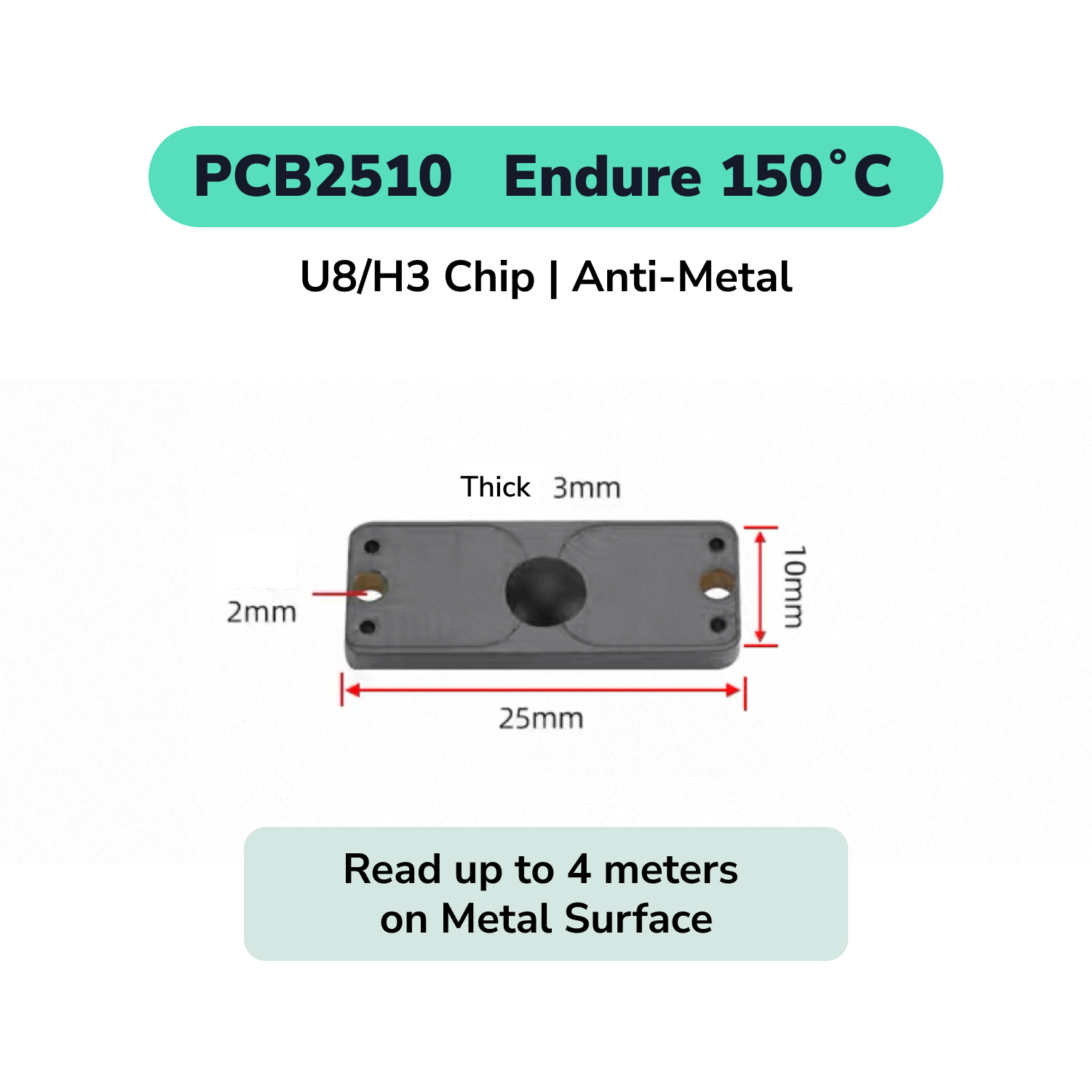


Quick Answers

RFID Tags on Metal Surfaces & Extreme Temperatures: UHF Label Solutions

RFID Tags on Metal Surfaces & Extreme Temperatures: UHF Label Solutions

RFID Tags on Metal Surfaces & Extreme Temperatures: UHF Label Solutions - TagtixRFID

Companies often struggle with tracking assets, inventory, and equipment in metal-rich environments like warehouses and manufacturing plants.

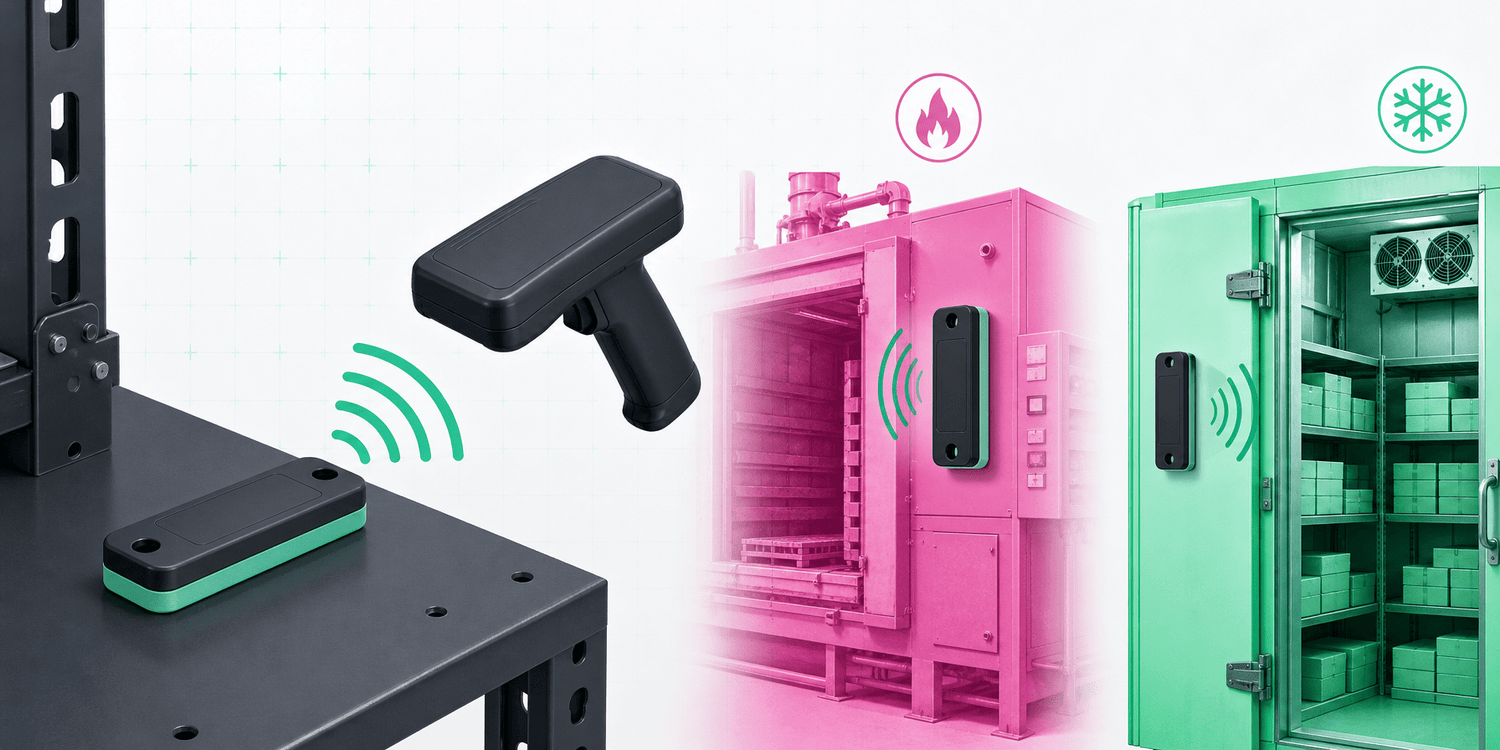
Standard RFID tags would fail due to signal interference. Our clients have frequently asked us about their specific tracking needs of car composites and metal tools. So here we offer a guide on using UHF tags on metal surfaces and extremely high or low temperatures.

Does RFID work on Metal?

RFID technology can indeed work on metal surfaces, but standard RFID tags face significant challenges due to signal interference caused by metal.

  1. Signal Interference:Metal reflects and absorbs radio waves, which can lead to poor read performance and inaccuracies when using ordinary RFID tags.
  2. Read Range Limitations:Standard tags may have reduced read ranges when placed on metal surfaces, making them unreliable for tracking applications.

To stop RFID metal interference, use anti-metal tags, optimize placement, select compatible equipment, implement non-metallic materials, and conduct regular testing for performance.

The Physics of Metal Interference

Why Metal Disrupts RFID Performance

Metal surfaces create three primary challenges for UHF RFID operation:

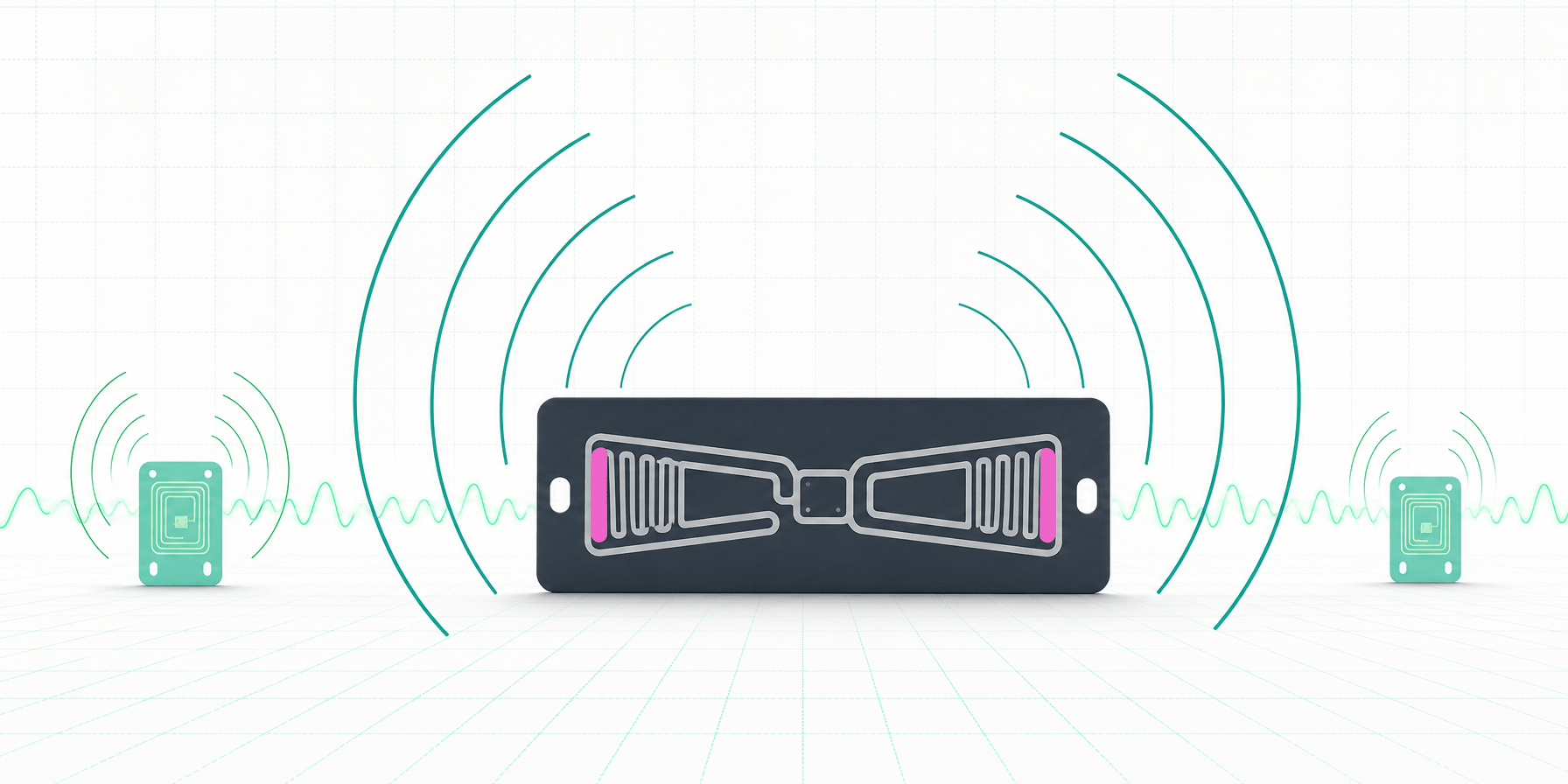
  • RF Signal Reflection: Metal acts as a mirror, reflecting RF waves away from the tag antenna instead of allowing energy capture
  • Electromagnetic Field Cancellation: Metal generates opposing electromagnetic fields that neutralize the reader's transmission
  • Antenna Detuning: Metal proximity changes the antenna's electrical characteristics, reducing efficiency

Ferrite Layer Technology Solution

Professional on-metal tags incorporate specialized ferrite layers that:

  • Create a magnetic buffer zone between the antenna and metal surface
  • Maintain read range performance within 10% of free-air performance
  • Operate effectively across the full 840-960MHz UHF frequency range
  • Provide stable performance across temperature variations

Performance Metrics: Metal vs. Non-Metal

Condition Read Range Impact Sensitivity Change
Free Air (no metal) 100% baseline Optimal sensitivity
Standard tag on metal 80-95% range reduction Sensitivity degraded -15dBm
Ferrite-optimized tag on metal Within 10% of baseline Minimal impact (-2dBm)

Environmental Performance Specifications

Temperature Operating Ranges

Application Type Working Temperature Storage Temperature Sensitivity Impact
Standard Industrial -40°C to +85°C -55°C to +125°C Within 2dBm specification
Extended Range -45°C to +100°C -55°C to +150°C 5dBm variance at extremes
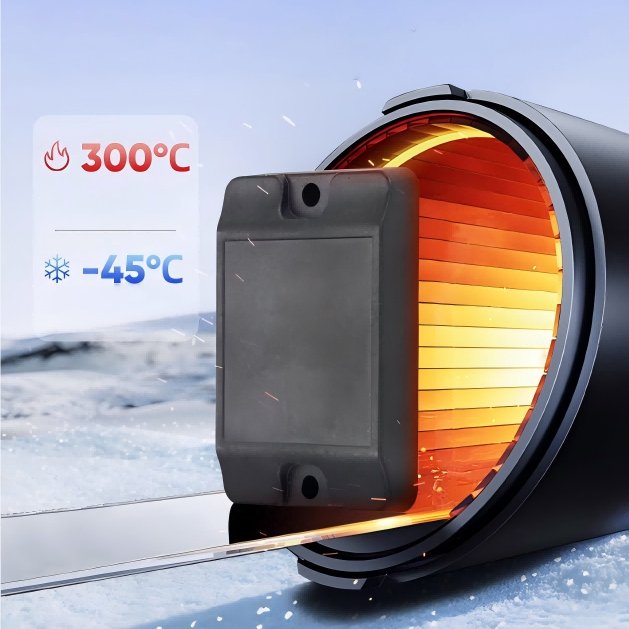
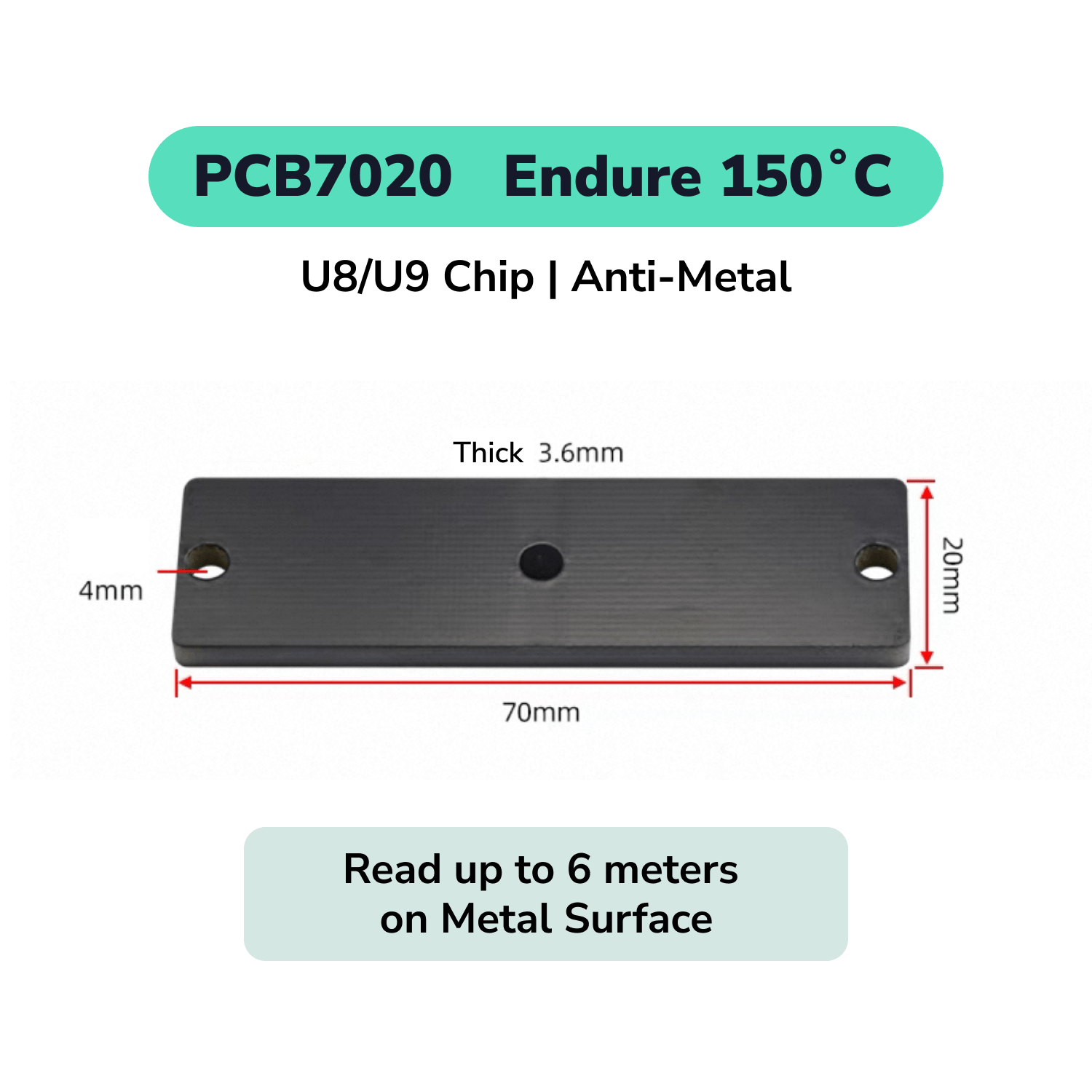
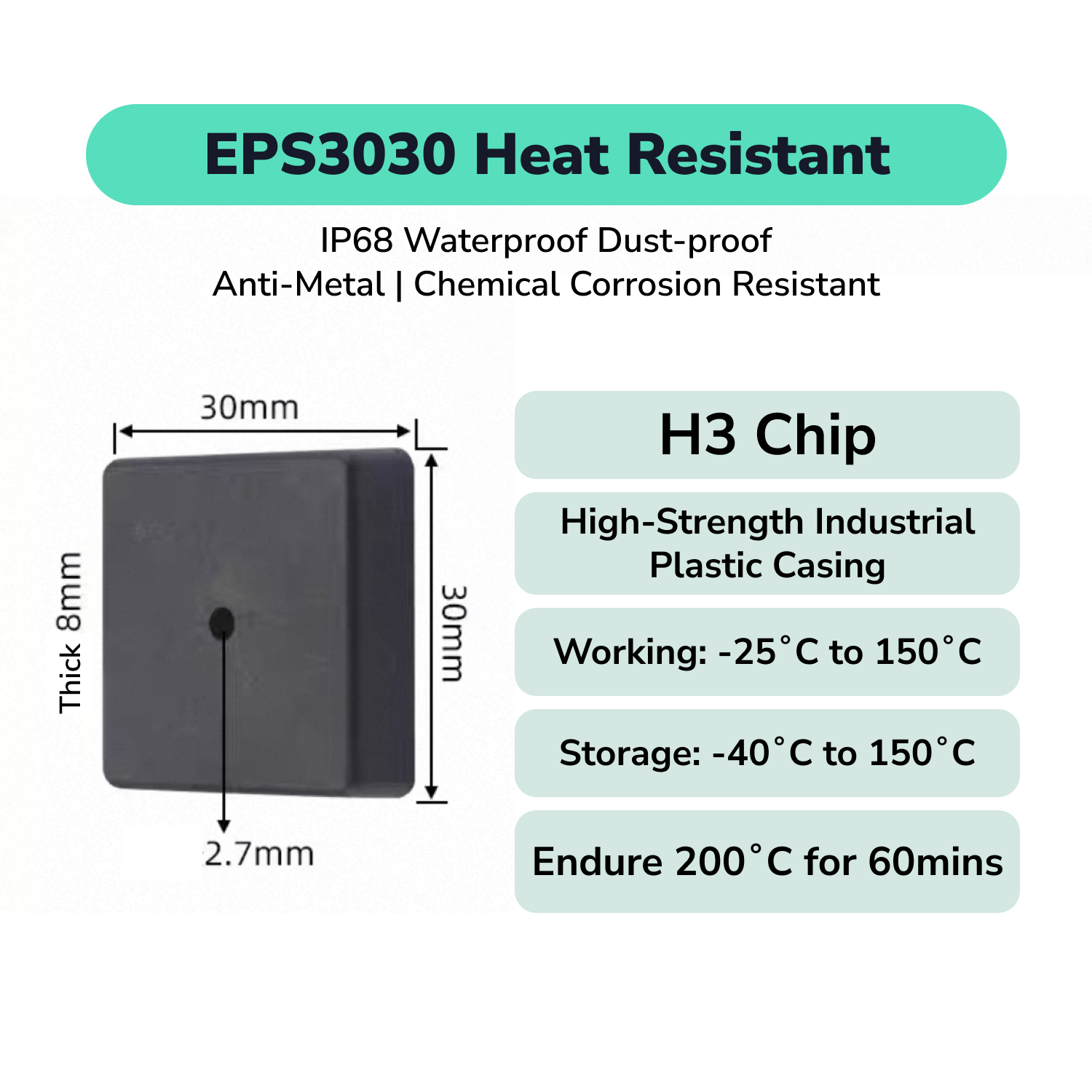
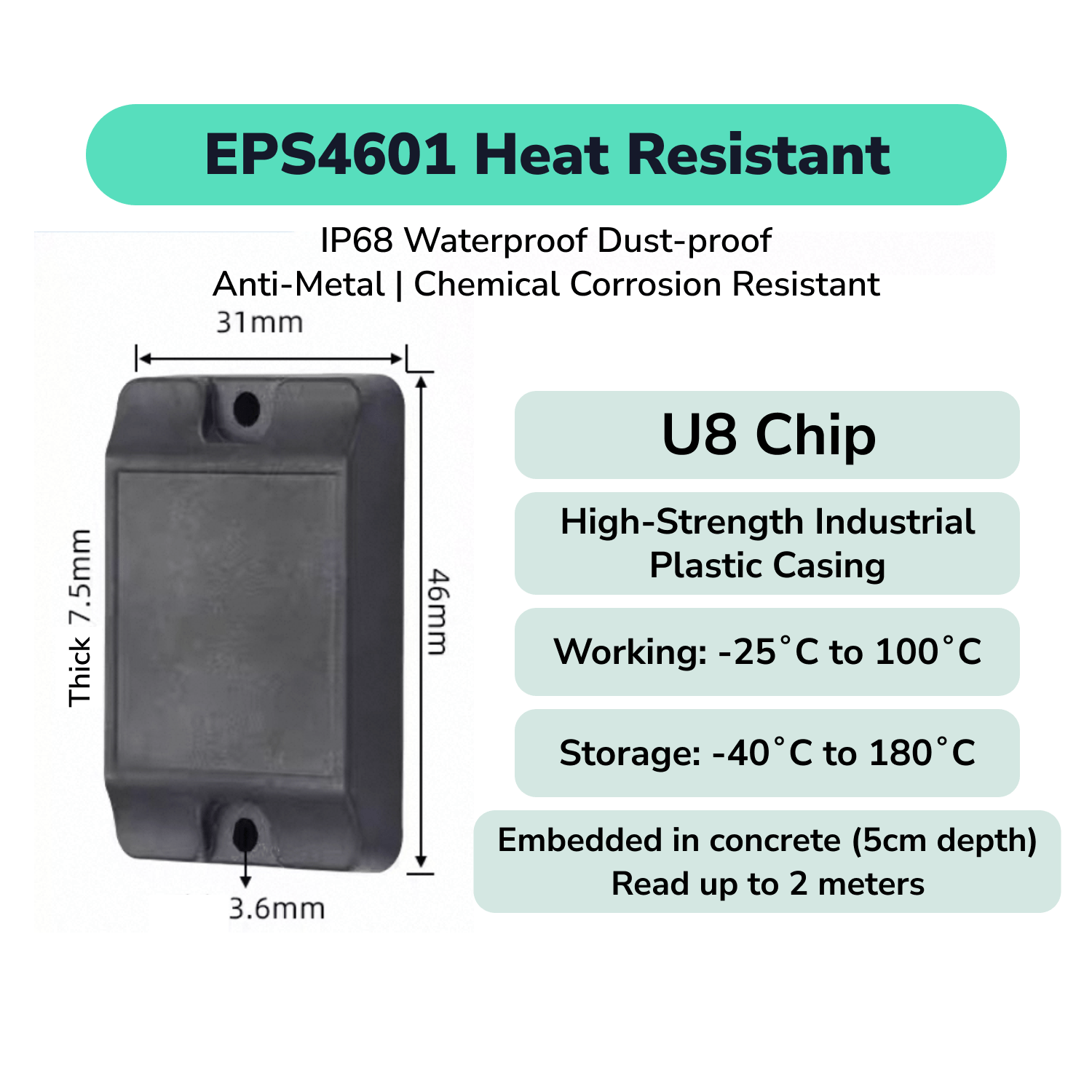
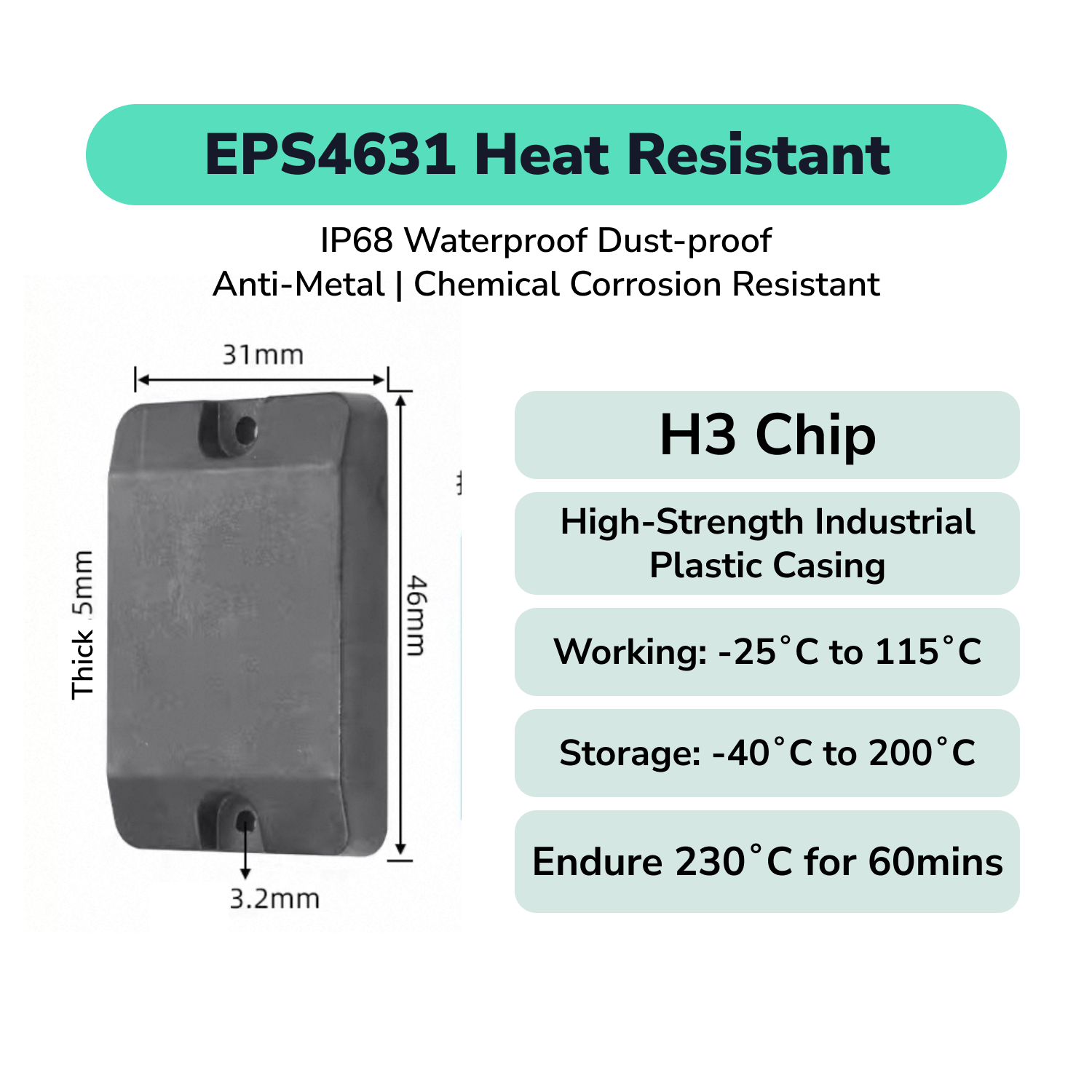
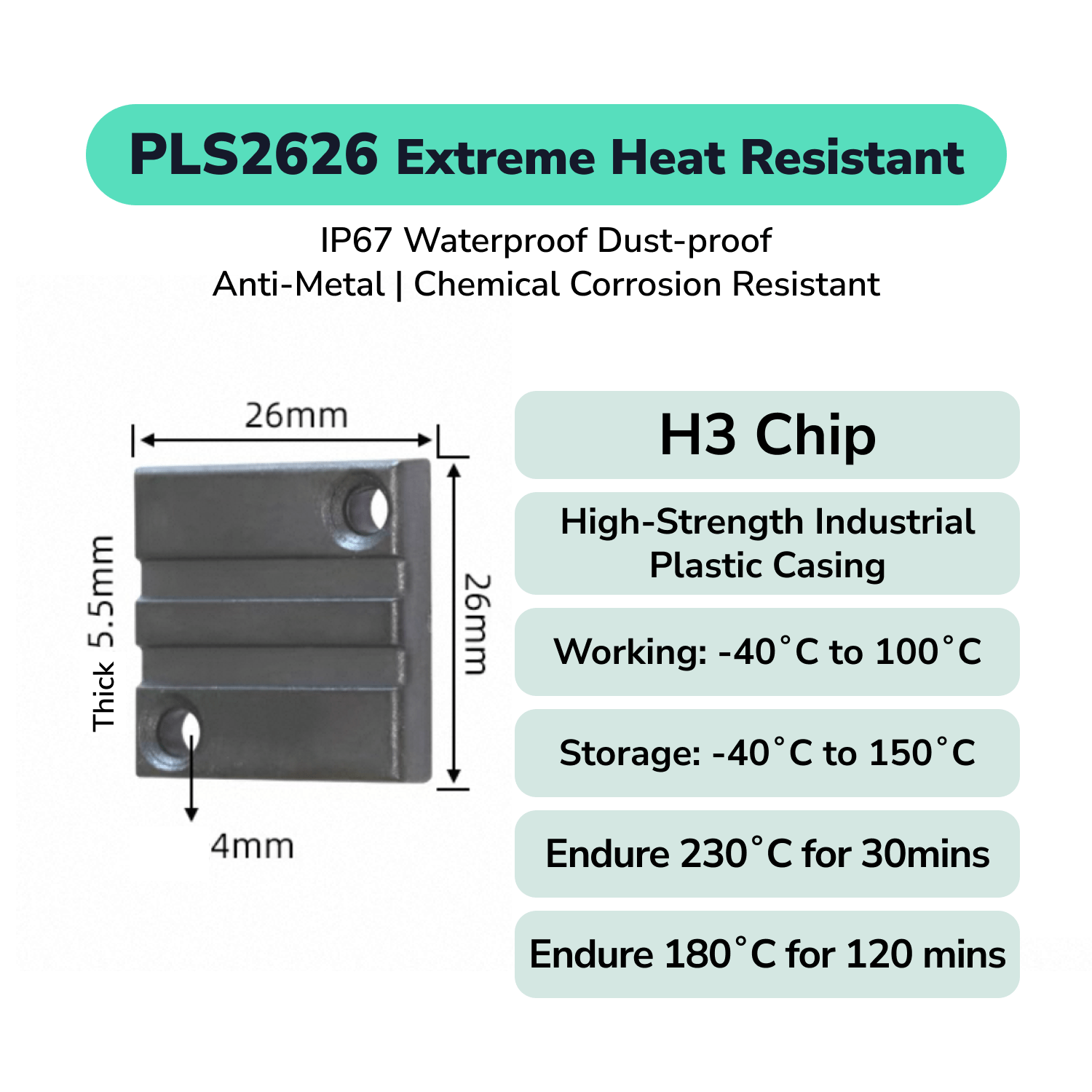
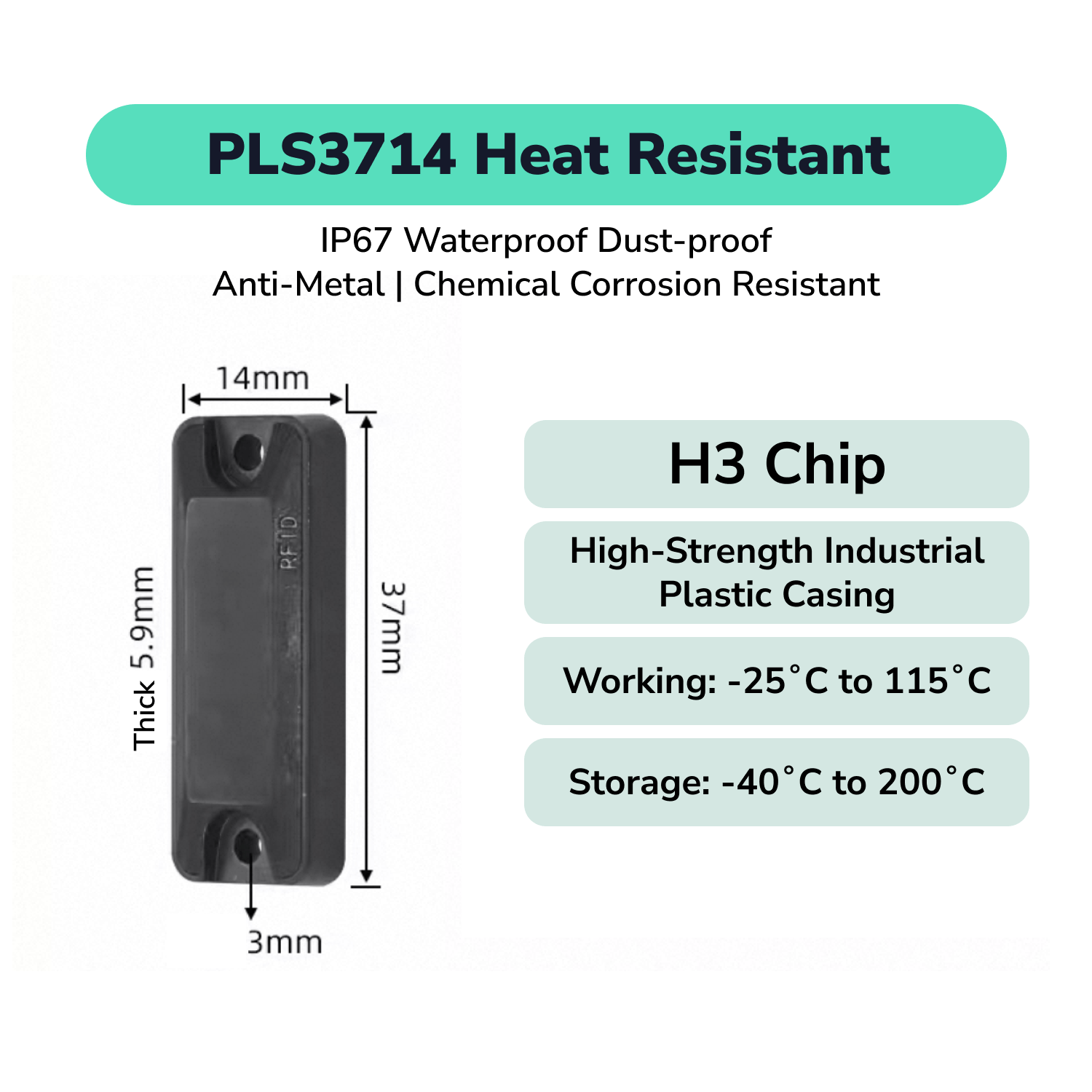
High-Temperature (PCB/EPS) -45°C to +300°C -55°C to +300°C Specialized construction required

Thermal Performance Notes

Important: Chips can operate outside specified temperature ranges, but sensitivity variance increases significantly at extremes. Performance is guaranteed only within specified ranges.

ESD Protection and Insulation

  • Standard ESD Rating: 2kV (typical for most UHF RFID chips)
  • Enhanced Protection: Higher ESD requirements achieved through:
    • Thicker insulation materials
    • Closed-loop antenna designs
    • Specialized encapsulation techniques
  • High-ESD Applications: Power facilities, industrial environments with static discharge risks

Special Features of RFID Metal Tags

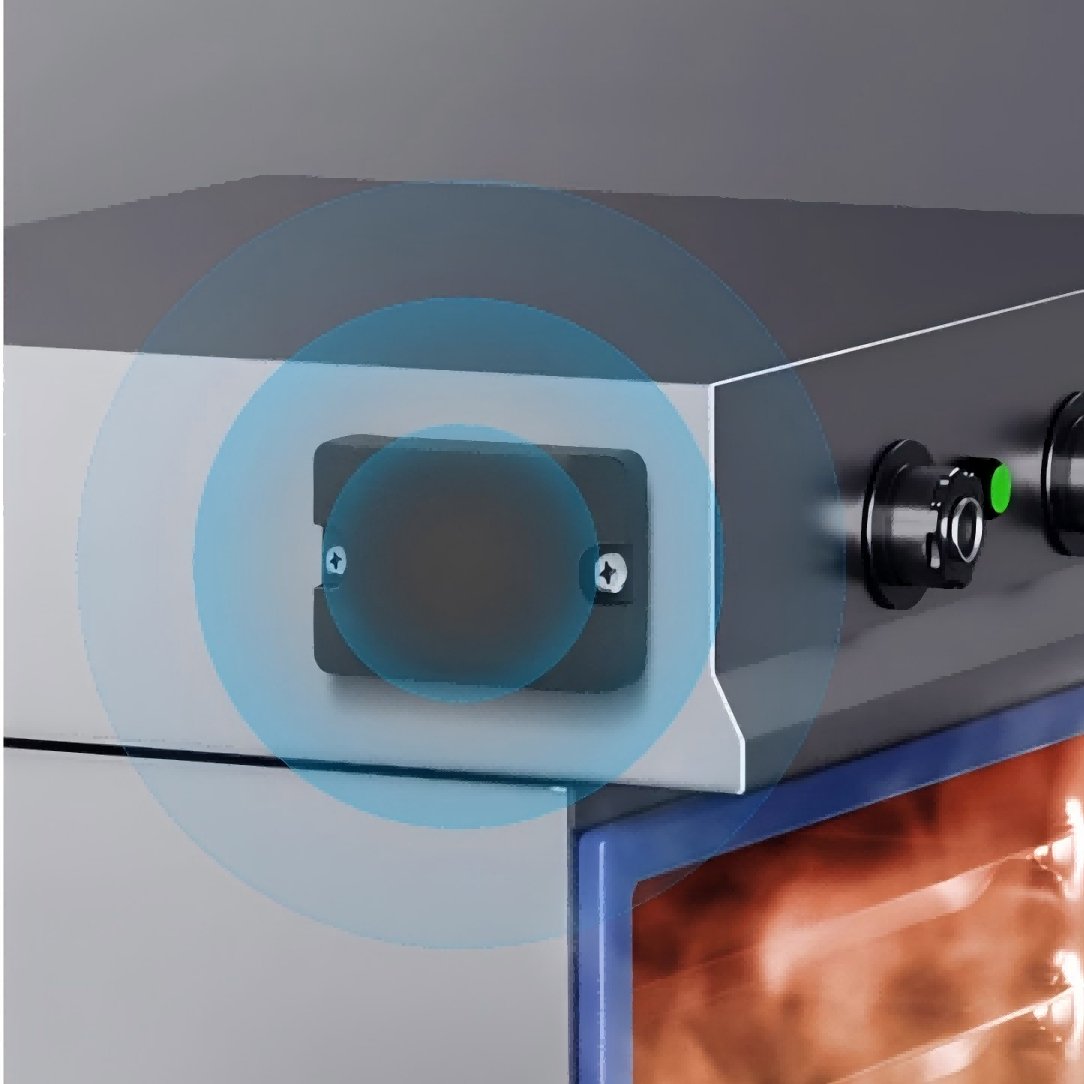
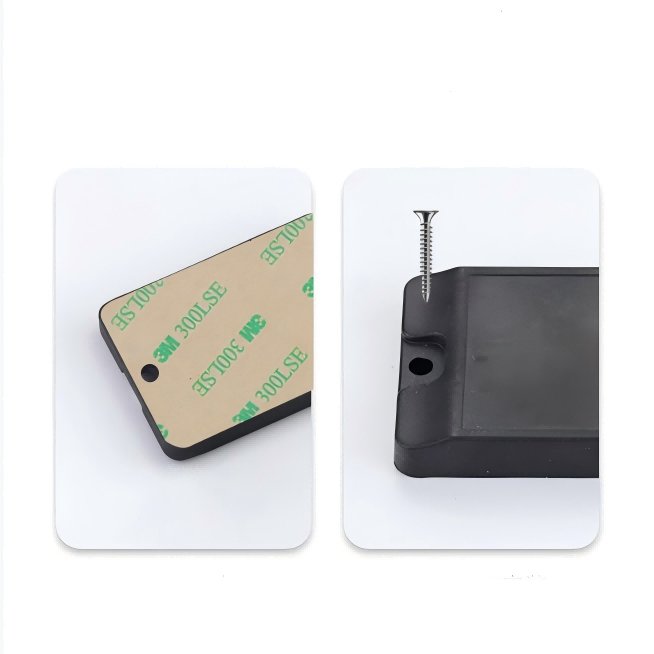
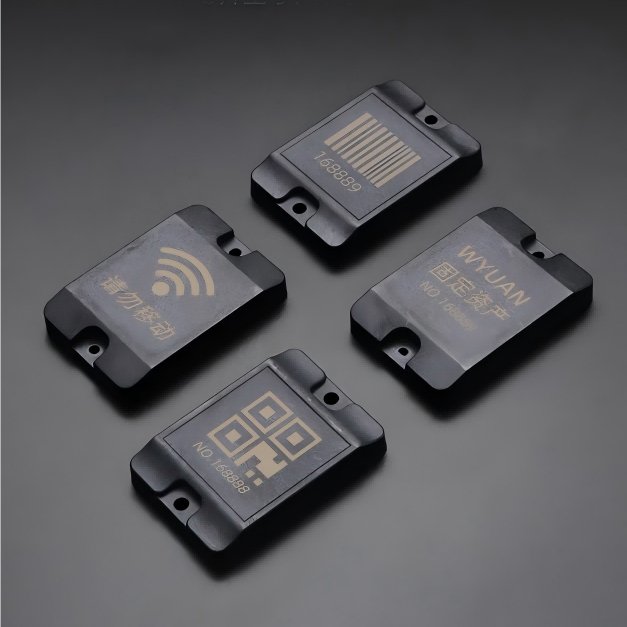
uhf tag on metal surface

  • High-Temperature Resistance: Many RFID metal tags can operate in high-temperature environments (up to 250°C), making them ideal for processes like heat treatment or sterilization.
  • Chemical Resistance: These tags are often resistant to various chemicals and solvents, allowing use in environments where corrosive substances are present.
  • Durability: RFID metal tags are constructed with robust materials that can withstand shocks, abrasions, and extreme conditions.

What Specific Shielding Technologies Are Used in Anti-Metal RFID Tags?

anti metal uhf tags adhesive to track car composite high temp

Anti-metal RFID tags utilize various shielding technologies to counteract the interference caused by metal surfaces.

  1. Magnetic Absorbing Materials. These materials are used to encapsulate the RFID chip and antenna, preventing signal degradation when attached to metal surfaces. They absorb and dissipate electromagnetic interference, enhancing the tag's performance.
  2. Conductive Coatings. Tags may be coated with conductive materials that create a barrier against RF signal interference. This helps maintain a stable communication link between the tag and the reader.
  3. Foam Layers. A layer of foam or similar material is often included to provide physical separation between the tag and the metal surface, reducing direct contact and minimizing interference.
  4. Special Circuit Designs. Advanced circuit designs within the tags are tailored to optimize signal transmission and reception in metal-rich environments, allowing for effective communication despite nearby metal.
  5. Wide Frequency Range. Many anti-metal RFID tags operate over a broad frequency range, which helps them avoid interference from other electronic devices and enhances their adaptability in various applications.

How do High-Temperature RFID Tags Maintain Readability on Metal Surfaces?

High-temperature RFID tags are specially designed to maintain readability on metal surfaces despite the challenges posed by both heat and the reflective nature of metal.

Here's how they achieve this:

Specialized Antenna Design

High-temperature RFID tags often incorporate unique antenna designs that mitigate signal interference caused by metal surfaces. These designs ensure that the tags can still communicate effectively with RFID readers, even when affixed to metal objects.

Robust Materials

Tags like the AVANTE high-temperature RFID tags are constructed from materials that can withstand extreme temperatures, up to 250°C. These materials are engineered to protect the RFID chip and antenna from thermal degradation and ensure consistent performance under harsh conditions.

Permanent Adhesives

Many high-temperature RFID labels utilize permanent adhesives that allow them to be securely attached to both flat and curved metal surfaces. This ensures that they remain in place during high-heat processes, such as automotive painting or industrial manufacturing, without losing their readability.

Flexible Inlay Technology

The use of flexible inlay technology allows these tags to adapt to various surface shapes while maintaining a strong bond. This flexibility is crucial for ensuring that the tag remains functional even when subjected to mechanical stress or thermal expansion

Encapsulation Techniques

High-temperature RFID tags often feature encapsulation that protects the internal components from extreme temperatures and environmental factors. This protection is vital for maintaining data integrity and ensuring reliable communication with readers.

Optimized Read Range

These TagtixRFID High Temp PBS UHF Tags are designed for optimal read ranges, typically between 10-20 feet when placed on metal surfaces. This capability is essential for applications requiring quick and efficient scanning in industrial environments.

What Environments Are UHF Metal Tags Suitable for?

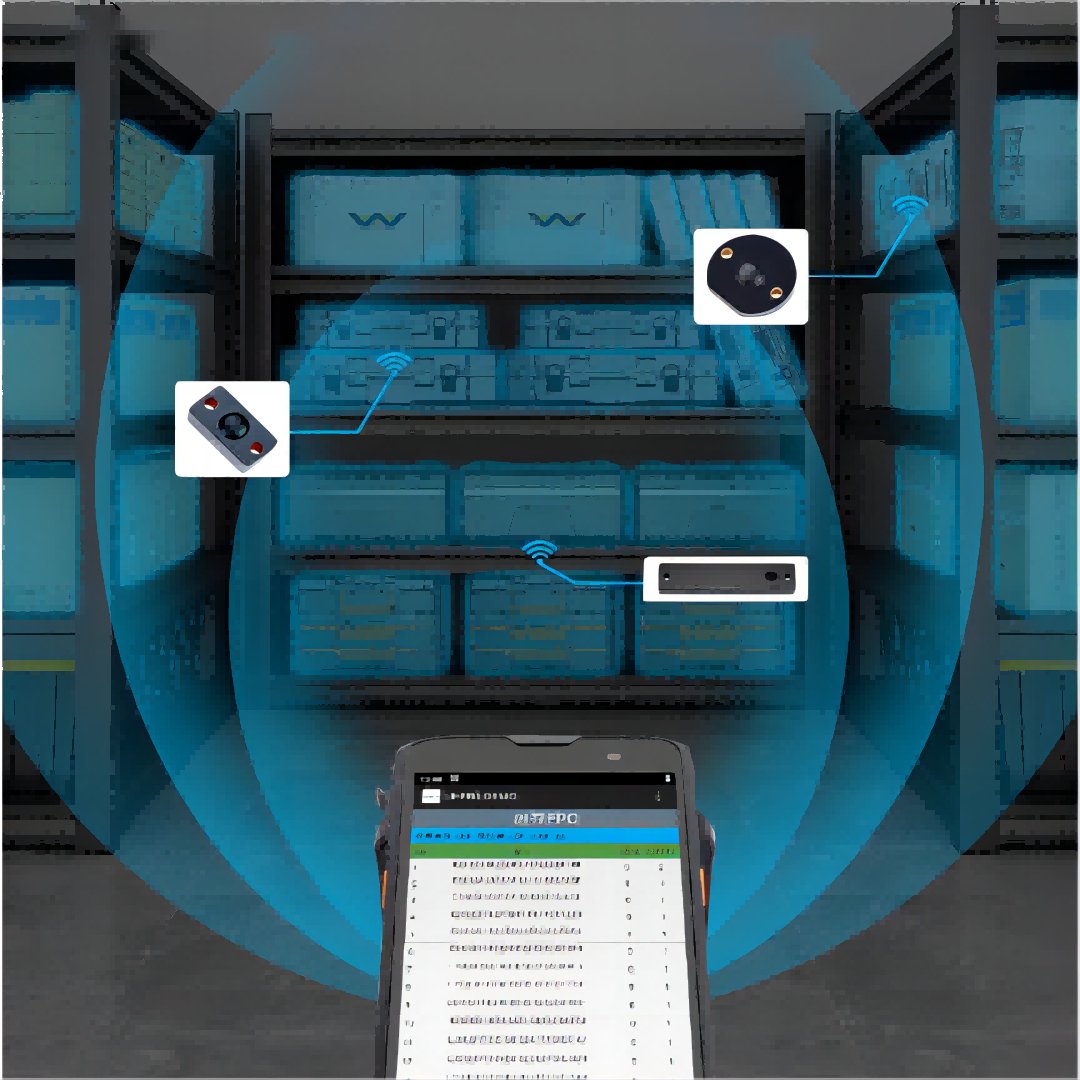
RFID UHF metal tags are specifically designed to function effectively in various environments where metal surfaces are present. Their unique construction allows them to overcome metal interference, making them suitable for several industries and applications.

Here's a detailed overview of environments where RFID metal tags excel:

Manufacturing

  • Applications: Tracking and managing metal parts, tools, and equipment throughout production processes.
  • Benefits: Enhances inventory management, reduces loss, and improves operational efficiency.

Logistics and Supply Chain

  • Applications: Monitoring metal containers, pallets, and assets during transportation and storage.
  • Benefits: Improves inventory visibility, enhances asset utilization, and prevents supply chain disruptions.

Construction

  • Applications: Managing metal tools, machinery, and equipment at job sites.
  • Benefits: Facilitates real-time inventory control, reduces theft or loss, and simplifies maintenance operations.

Oil and Gas

  • Applications: Monitoring metal pipes, valves, fittings, and equipment used in exploration and production.
  • Benefits: Ensures asset integrity, enhances safety, and minimizes downtime.

Automotive

  • Applications: Tracking metal components, spare parts, and vehicles during assembly and maintenance.
  • Benefits: Improves inventory accuracy and operational efficiency.

Aerospace and Defense

  • Applications: Efficient identification of metal tools, parts, and equipment for compliance and maintenance.
  • Benefits: Ensures accurate inventory control and timely servicing.

Healthcare

  • Applications: Managing large medical equipment and surgical tools.
  • Benefits: Enhances tracking of critical assets in sterile environments.

Outdoor Applications

  • Conditions: Designed to withstand harsh weather conditions such as rain, snow, UV radiation, and temperature fluctuations.
  • Benefits: Suitable for outdoor asset management in industries like construction and logistics.

By utilizing anti-metal RFID tags, optimizing placement strategies, selecting suitable equipment, implementing non-metallic materials, and conducting regular testing, organizations can effectively mitigate RFID interference caused by metal surfaces. These approaches ensure reliable asset tracking and data accuracy in environments where metal is prevalent.

Reading next

What Are UHF RFID Tags? Difference Between RFID vs. UHF Tags - TagtixRFID