
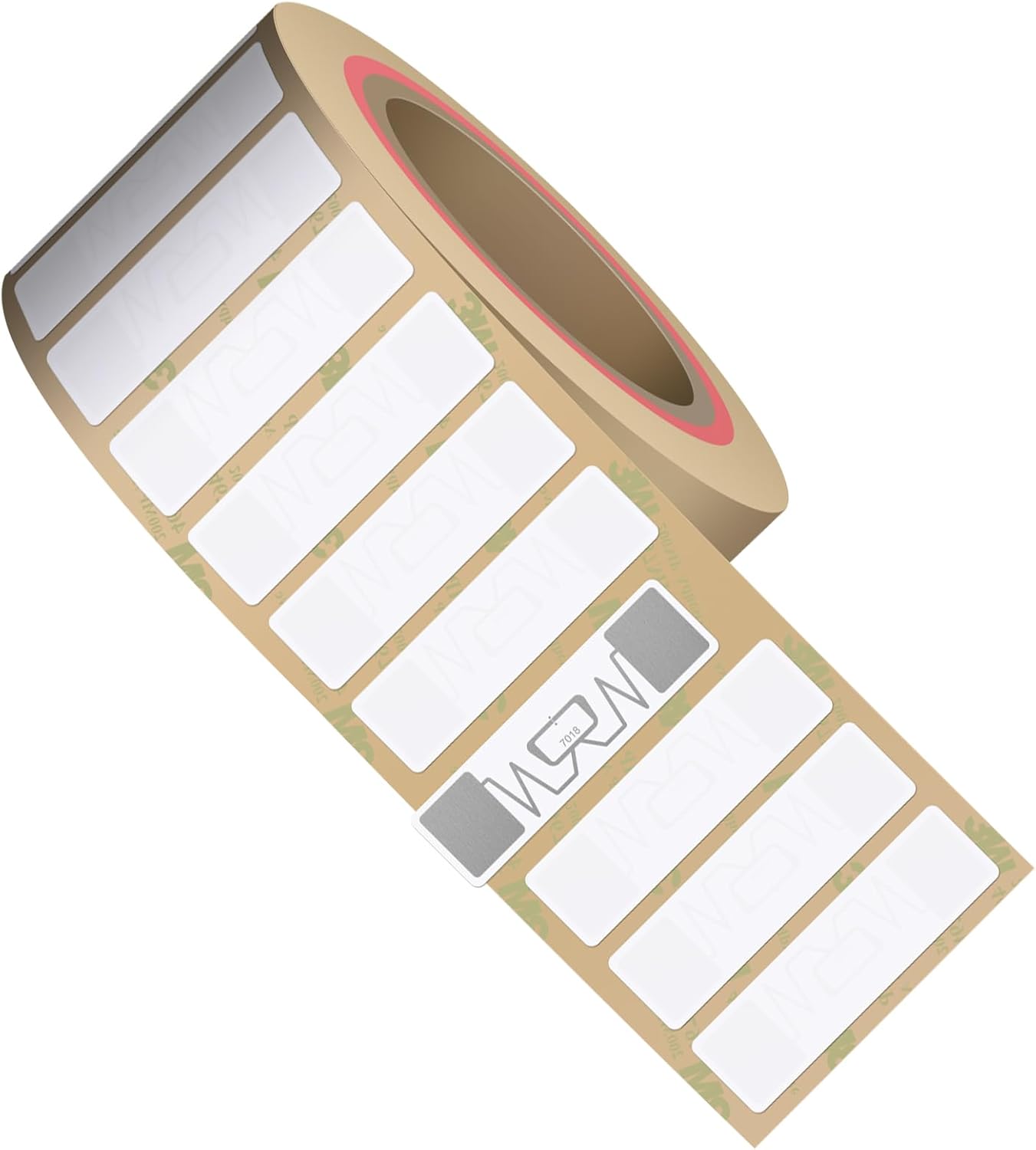
UHF RFID Tags for New Energy Equipment Production

UHF RFID tags give production carriers, fixtures and parts containers an identity that readers can capture at selected stations. This guide helps you choose a label for its mounting surface and working conditions, and decide how that identity will connect to your production records.
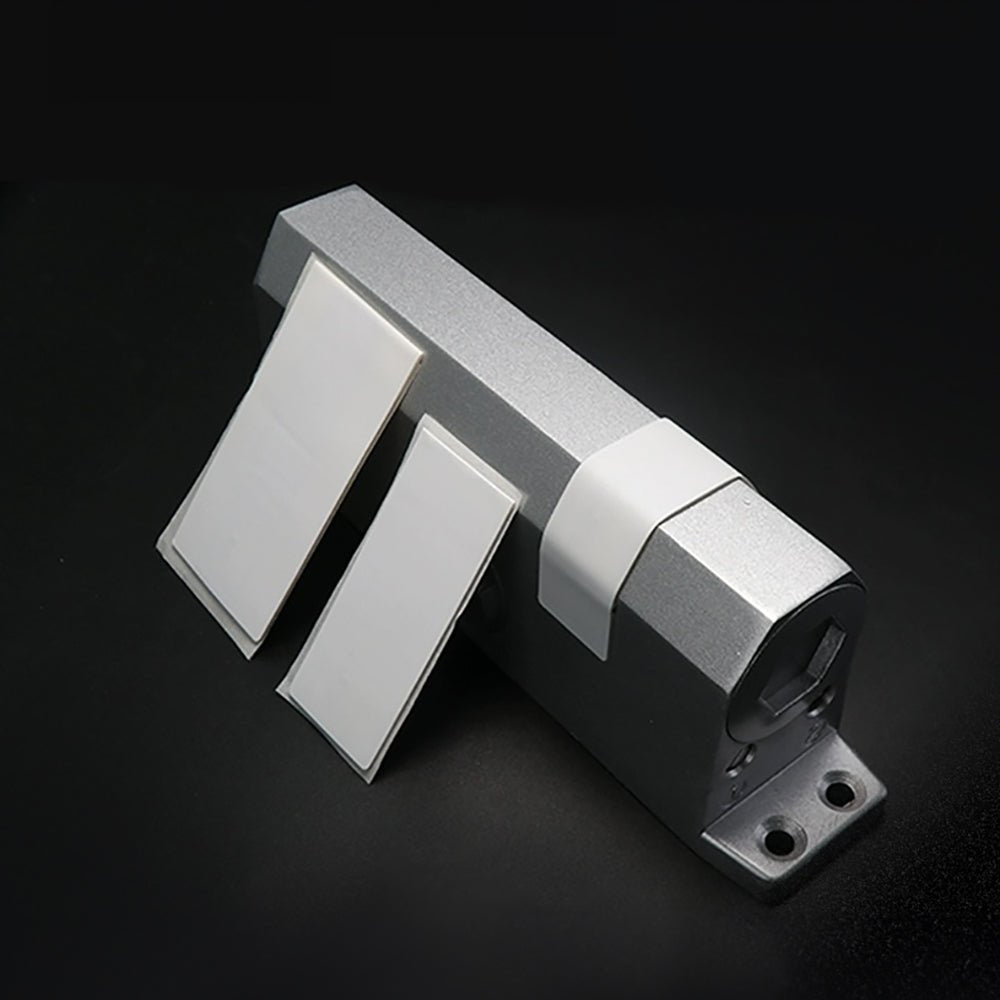
Which UHF RFID Tags Fit Your Production Assets?

Metal Carriers And Assembly Fixtures
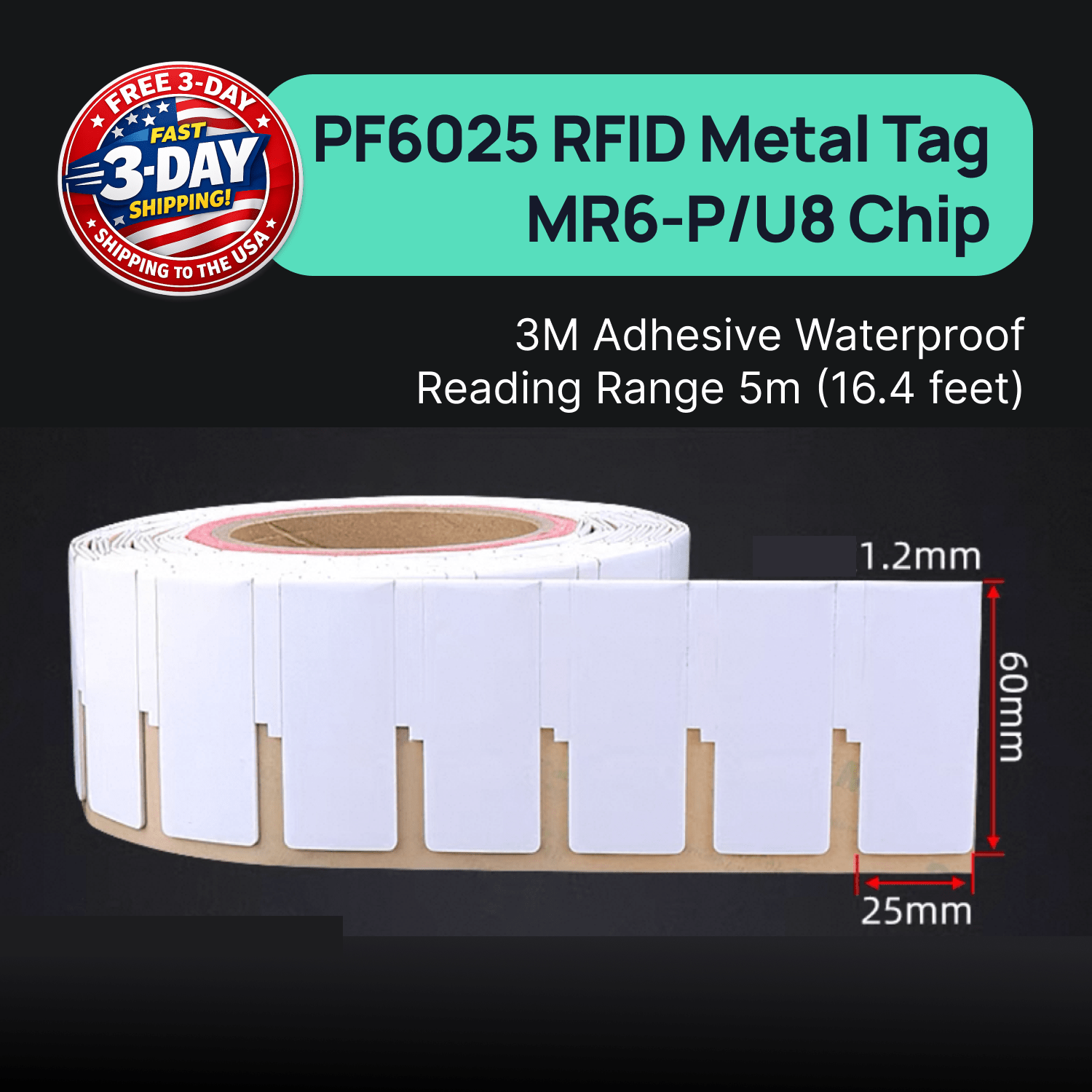
RFID UHF On Metal Asset Tags Sticker PET Meterial Waterproof 3M Adhesive TagtixRFID
Prezzo scontatoA partire da $32.78 USD ($1.09 per ciascun articolo)
Parts Bins Between Assembly Stations
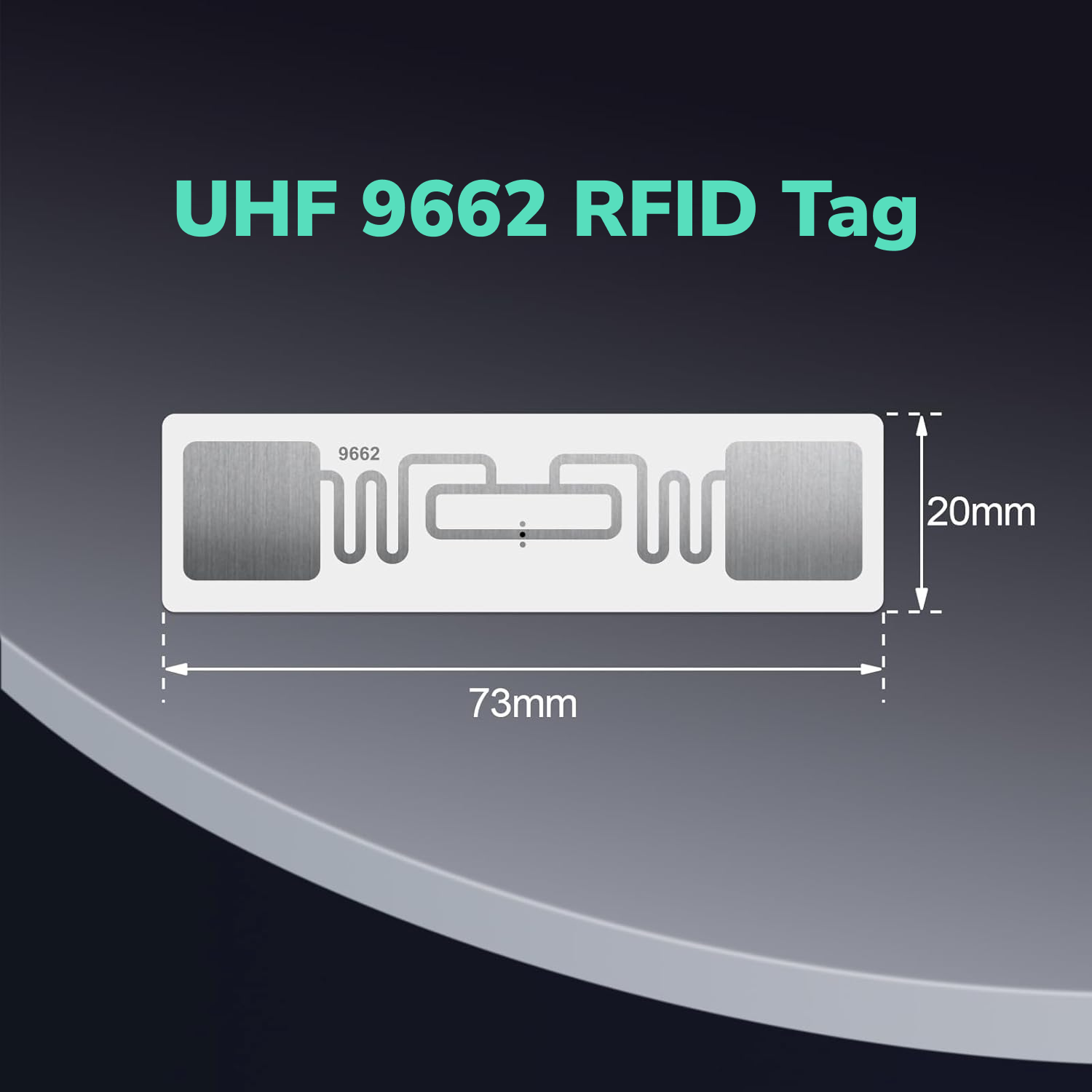
9662 Printable Long-Range UHF RFID Sticker Inlay for Asset Tracking Self Adhesive TagtixRFID
Reusable Containers Exposed To Moisture
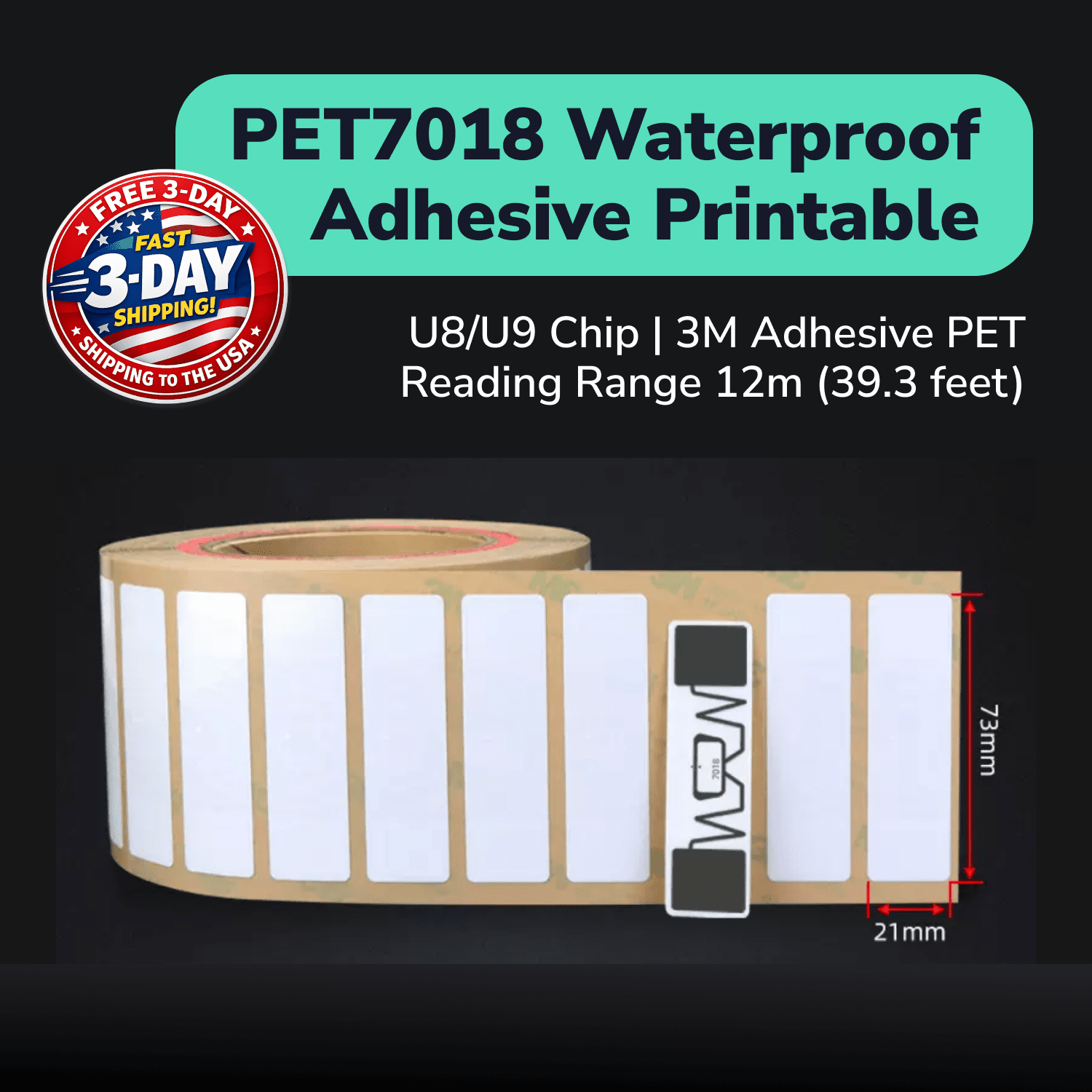
PET7018 Material Waterproof Printable Long Range UHF Label TagtixRFID
Prezzo scontatoA partire da $16.89 USD ($0.34 per ciascun articolo)

What Are You Looking To Track?

Metal Carriers And Assembly Fixtures

Start with PF6025 for a suitable exterior metal surface on a carrier or fixture. Choose a protected position that remains accessible to the reader. Tell us about heat, cleaning fluids and repeated handling before selecting the label.

Use PF6025

Parts Bins Between Assembly Stations

Consider 9662 for dry indoor use on suitable non-metal bins. Test the label with the actual contents and nearby equipment. Decide whether its identity belongs to the bin or to the parts moving through production.

Use 9662

Reusable Containers Exposed To Moisture

Consider PET7018 when a suitable non-metal container gets wet. Share the cleaning method and handling conditions so we can help check whether this label suits the return cycle.

Use PET7018

How Do You Choose Tags For Your Energy Production Line?

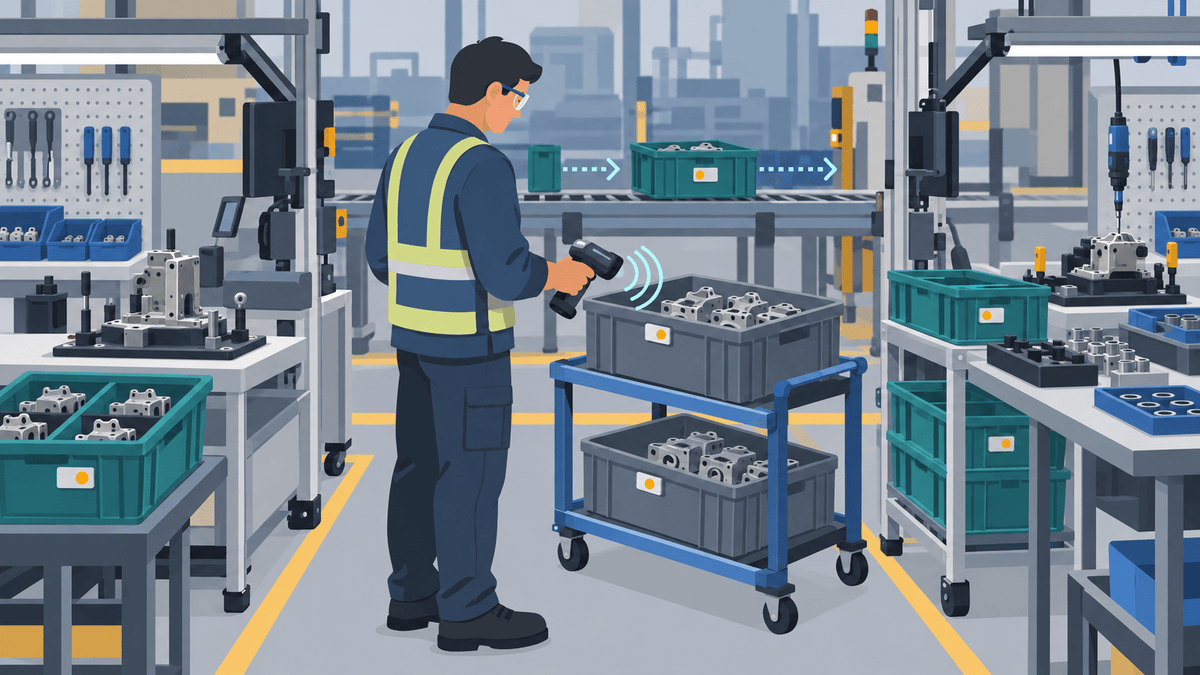
Start with the object that keeps its identity: an assembly, a reusable carrier or a fixture. When a carrier receives a different assembly, your software needs to update that relationship.

Measure the mounting area and describe each process the tag will encounter. Include temperature, exposure duration, cleaning chemicals and repeated handling. A tag suitable for an exterior carrier is not automatically suitable for direct attachment to a battery cell.

Agree the reading point with your automation integrator. Reading distance depends on the reader and environment. Test the loaded carrier in its actual orientation, with adjacent equipment operating.

Confirm whether your existing system uses UHF and how it passes an identifier into your production records. Printing a visible carrier number and encoding the chip are separate tasks; check both against the same record.

If you would like to test labels on your actual assets, feel free to request a free UHF sample pack. Share the mounting surface, label space and working conditions, plus your reader and printer models if available.

Explore Related Production And Inventory Workflows

How to Track Work-in-Process Items and Production Containers with UHF RFID - TagtixRFID

Come tracciare articoli in corso di lavorazione e contenitori di produzione con RFID UHF

L'RFID UHF aiuta i team manifatturieri a tracciare articoli in lavorazione e contenitori riutilizzabili, assegnando a ogni unità in movimento un'identità univoca e registrando tale identità in even...
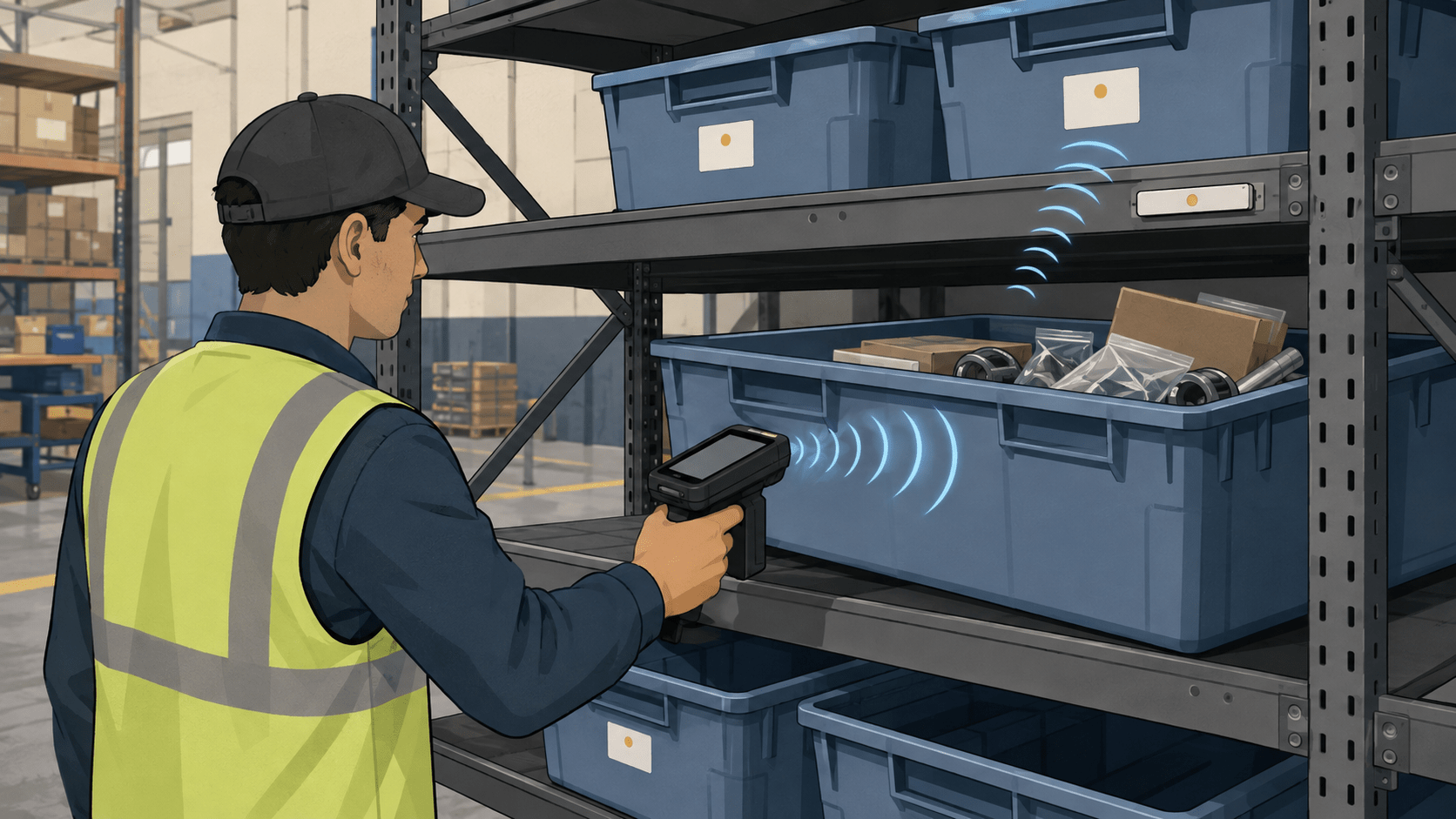
How to Track Inventory in Totes Near Metal Racks with UHF RFID - TagtixRFID

Come tracciare l'inventario in cassoni vicino a scaffalature metalliche con RFID UHF

Scopri come scegliere, posizionare, codificare e qualificare i tag UHF RFID per l'inventario di contenitori, articoli raggruppati, scaffalature metalliche e un eventuale passaggio termico.
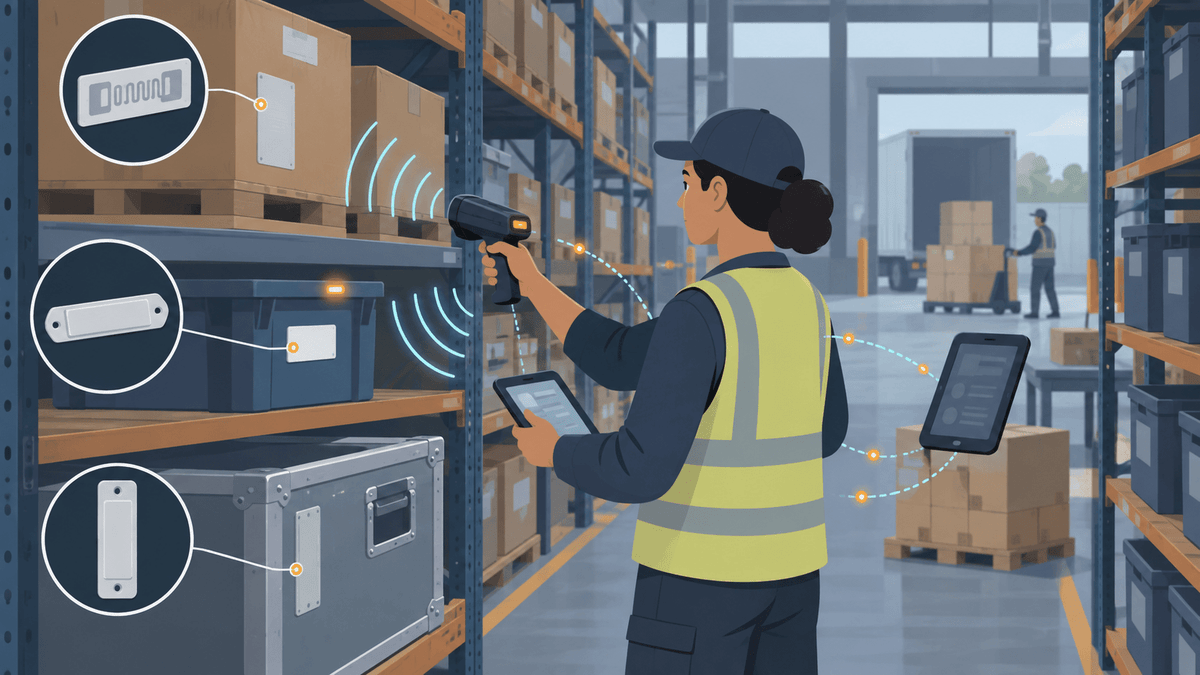
How to Use UHF RFID Tags for Warehouse Inventory and Distribution - TagtixRFID

Come usare i tag RFID UHF per l'inventario di magazzino e la distribuzione

Confronta tag RFID UHF e flussi di lavoro per cartoni, contenitori, cassoni, pallet, asset metallici, inventari ciclici, ricezione, ricerca articoli e riconciliazione con il database.