
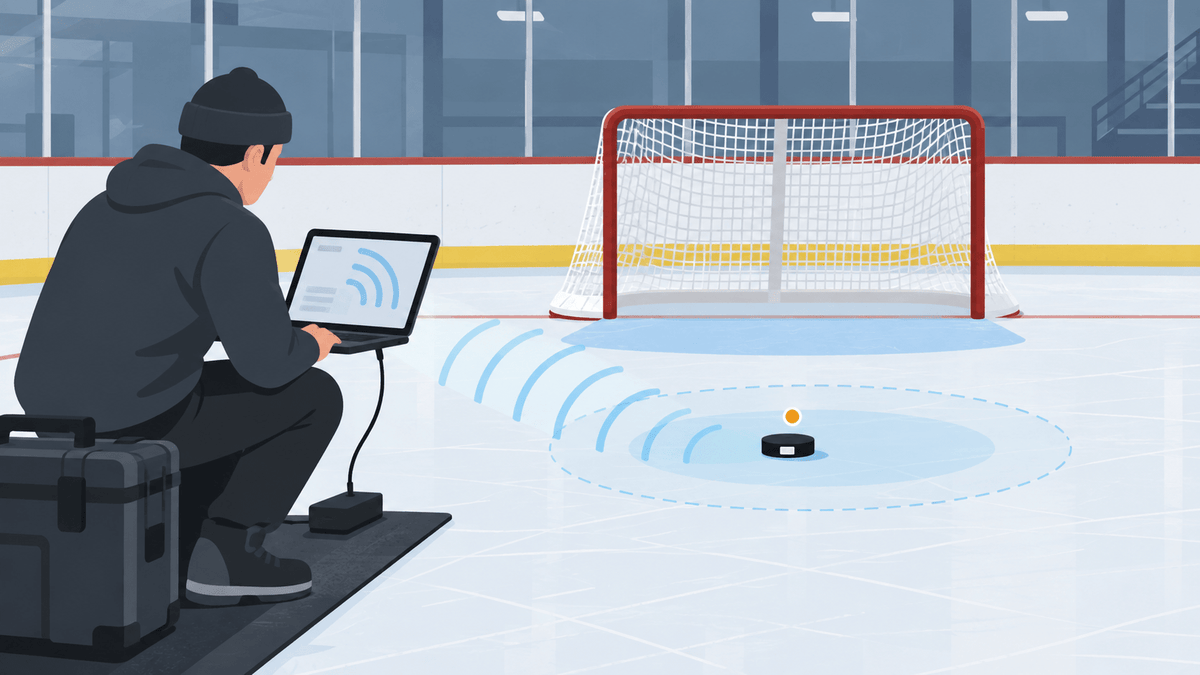
Voiko UHF RFID havaita jääkiekon lähellä maalia?
Kyllä, voit käyttää passiivista UHF RFID -tekniikkaa havaitaksesi merkityn jääkiekon suunnitellulla lukijavyöhykkeellä maalin lähellä. Lukija tallentaa tagin Electronic Product Code -koodin eli EPC:n, ja ohjelmisto päättää, pitäisikö kyseisen luennan laukaista kokemus.
Tämä asetelma toimii parhaiten, kun kokemus tarvitsee yksinkertaisen tapahtuman, kuten ”kiekko saapui kohdealueelle”. Se ei kerro kiekon tarkkaa sijaintia jäällä.
Kun asiakkaat kysyvät meiltä epätavallisista RFID-vuorovaikutuksista, aloitamme tapahtumasta. Maalin lähellä reagoiva pulma tarvitsee tiiviimmän vyöhykkeen kuin järjestelmä, joka vain tarkistaa, pysyykö kiekko jossain huoneessa.
Kiekko, tagi, jää, maali, lukija-antenni, ihmiset ja ohjelmisto vaikuttavat kaikki tulokseen. Testaa niitä yhdessä ennen kuin rakennat koko kokemuksen yhden penkkitestiluennan varaan.
RFID-tunnistusvyöhyke vai reaaliaikainen paikannus — kumman tarvitset?
Käytä tunnistusvyöhykettä, kun kokemus tarvitsee kyllä/ei-laukaisun maalin lähellä. Valitse toinen paikannusteknologia, kun tarvitset jatkuvia koordinaatteja, liikeratoja tai tarkkaa maaliviivapäätöstä.
| Vaadittu lopputulos | Mitä passiivinen UHF RFID voi tukea | Tärkein rajoitus |
|---|---|---|
| Tunnista tagilla varustettu kiekko määritetyllä alueella | Lukija voi lukea kiekon EPC:n suunnitellulla vyöhykkeellä | Vyöhyke voi ulottua näkyvän rajan ulkopuolelle |
| Tunnista liike kontrolloidun pisteen kautta | Antennin sijoittelu ja ohjelmiston ajoitus voivat tukea kulkutapahtumaa | Suunta ja ajoitus on tarkennettava |
| Seuraa kiekon tarkkoja koordinaatteja jatkuvasti | Pelkkä passiivinen UHF ei tarjoa tarkkoja koordinaatteja | Käytä tarkoitukseen rakennettua paikannusjärjestelmää |
Yksilöllinen EPC kertoo ohjelmistolle, mikä kiekko vastasi. Se ei todista, että kiekko ylitti yhden tarkan linjan.
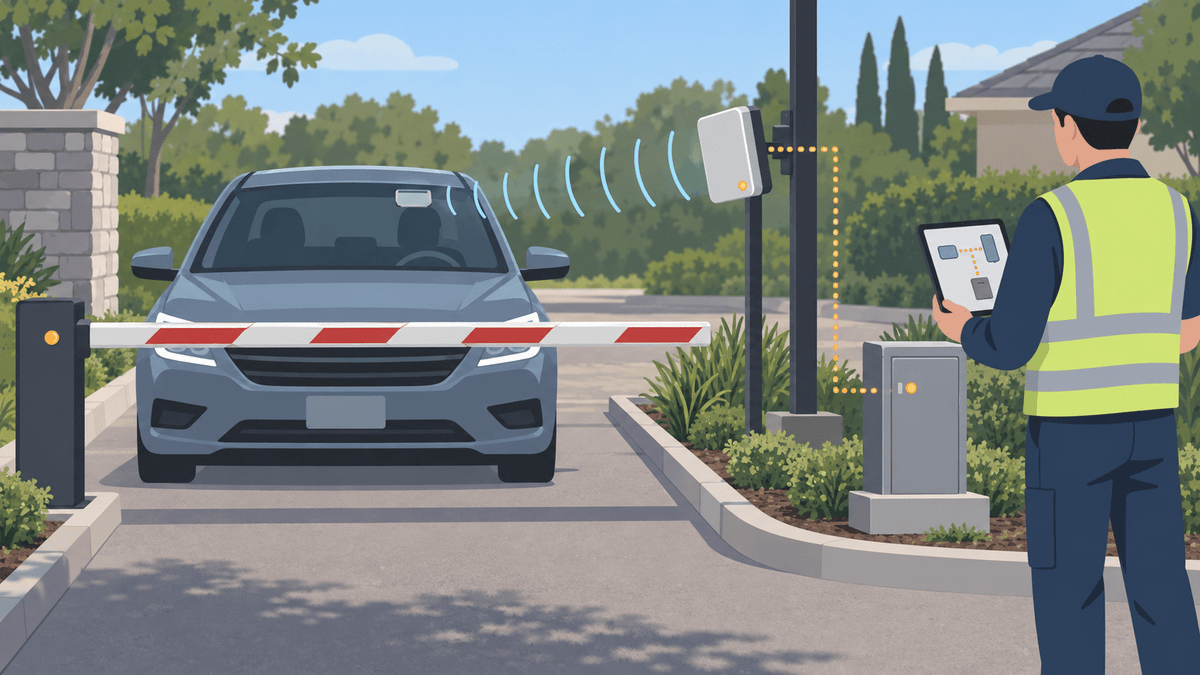
The GS1-järjestelmäarkkitehtuuri kuvaa passiiviset UHF-tagit siten, että ne vastaanottavat tehoa lukijalta ja palauttavat dataa takaisinsironnalla. Käytännössä tämä tarkoittaa, että lukija ja antenni luovat vyöhykkeen, joka antaa tehoa tagille ja havaitsee sen.
Mihin RFID-tagin voi sijoittaa jääkiekkoon?
Sijoita RFID-tagi paikkaan, jossa se pysyy suojattuna, ei muuta kiekon aiottua liikettä ja jossa on silti riittävän selkeä radiotie antenniin. Oikea sijainti riippuu kiekon rakenteesta ja siitä, salliiko projekti fyysisiä muutoksia.
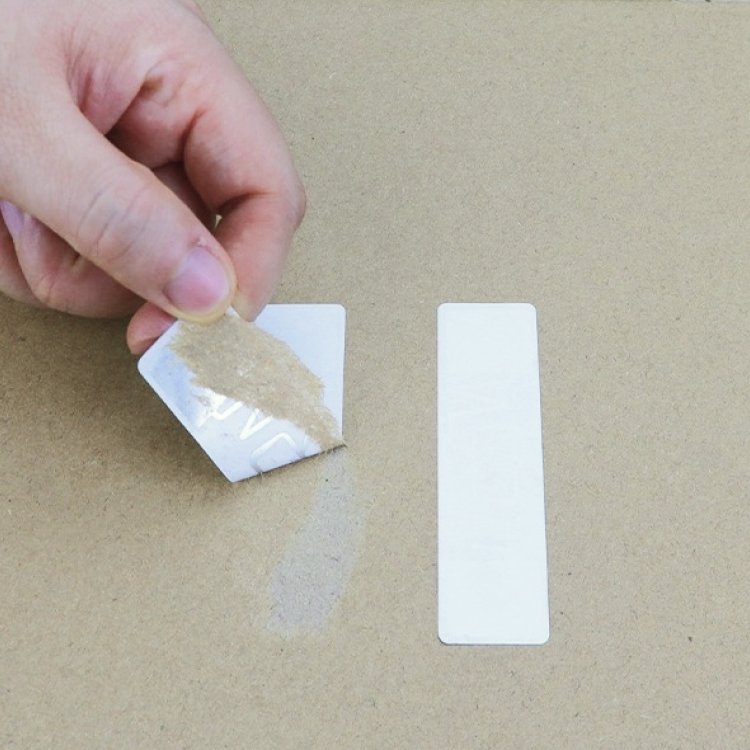
Suojattu pintatarra tarjoaa yksinkertaisimman prototyyppipolun. Tarkoitukseen tehty upotus voi piilottaa tagin paremmin, mutta kiekon suunnittelijan on tarkistettava sen tasapaino, lujuus ja iskunkestävyys.
Sisäinen tagi voi näyttää siistimmältä, mutta ympäröivä materiaali voi estää tai heikentää signaalia. Älä leikkaa tai poraa sääntöjen mukaista kiekkoa ilman tuote- tai kokemussuunnittelijan hyväksyntää.
Tarkista nämä kohdat jokaiselle sijoittelulle:
- Liukuuko, pyöriikö ja pysähtyykö kiekko edelleen aiotulla tavalla?
- Kestääkö tagi hankautumisen ja normaalin käsittelyn?
- Havaitseeko lukija molemmat pinnat ja useita kiekon kulmia?
- Voiko henkilökunta vaihtaa tagin rakentamatta rekvisiittaa uudelleen?
- Pysyykö sijoitus piilossa, jos kokemus sitä vaatii?
Mitkä UHF RFID -tagit sopivat märkään tai jäiseen jääkiekkokokemukseen?
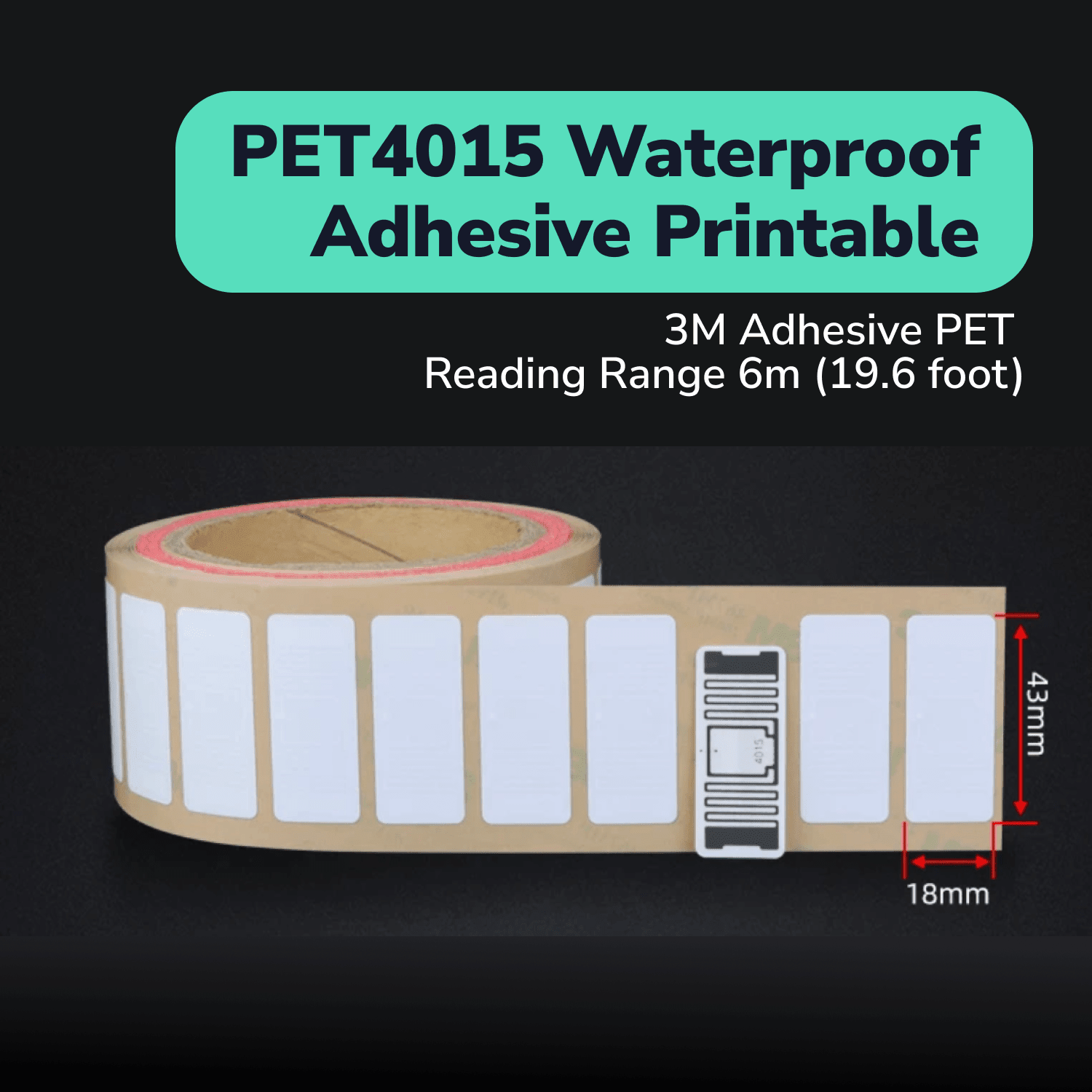
Suosittelemme aloittamaan meidän PET4015-vesitiiviistä tulostettavasta UHF RFID -tarrasta kun kiekko tarjoaa sopivan suojatun ei-metallisen asennon. Sen vesitiivis PET-rakenne antaa prototyypille paremman lähtökohdan jään ja kosteuden yhteydessä kuin suojaamaton paperityylinen inlay.
PET4015 on kooltaan 43 mm × 18 mm. Sen tarramuoto voi auttaa kaarevalla pinnalla, mutta kiekon kokonaisasennus on vielä testattava iskujen, hankauksen, jäätymisolosuhteiden ja vesialtistuksen osalta.
PET4015-tarrallamme on viitteellinen jopa 6 m:n lukuetäisyys lukijasta ja ympäristöstä riippuen. Tämä luku ei ennusta hyödyllisen tunnistusalueen kokoa jään, ihmisten ja metallisen maalikehikon lähellä.
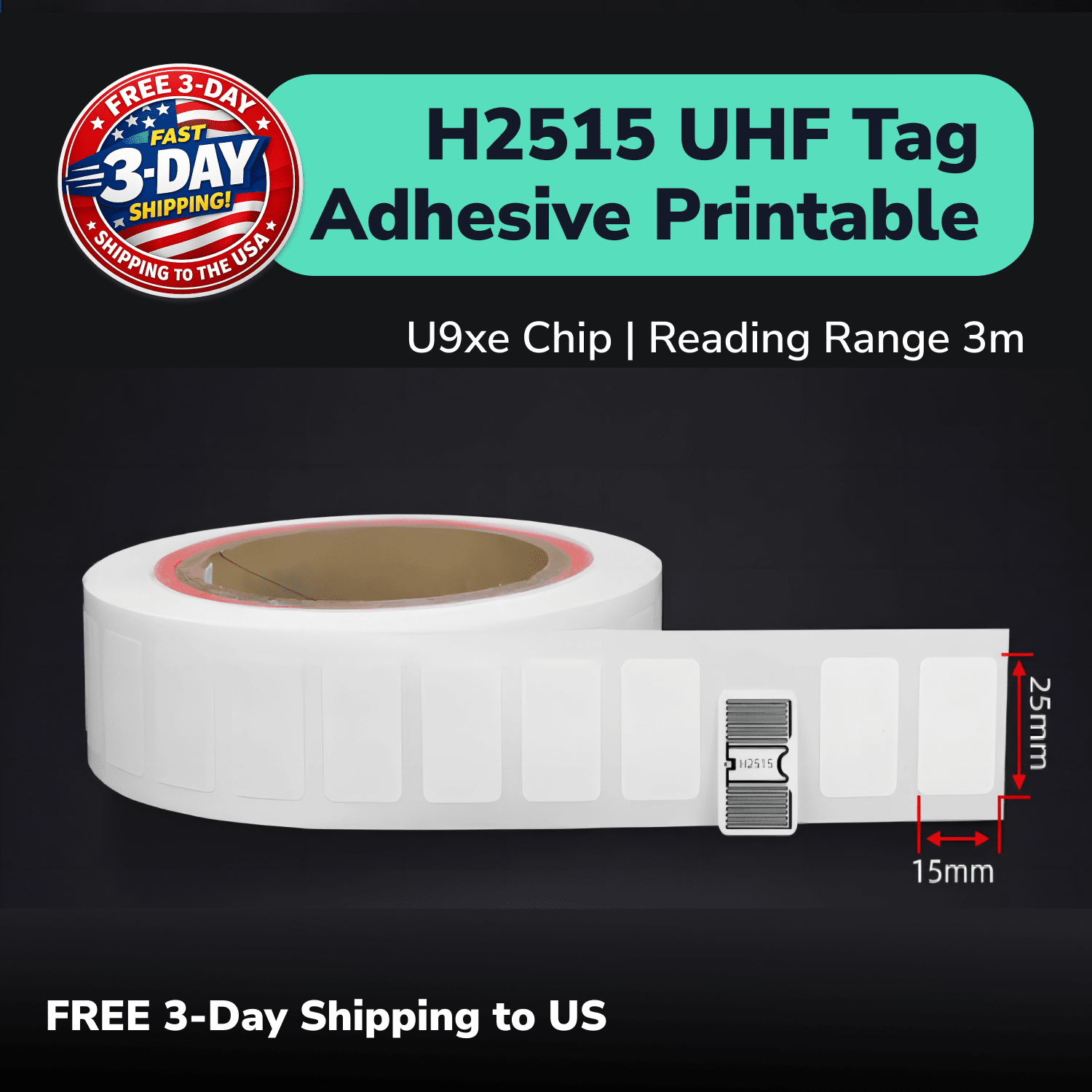
Kun tila on tärkeämpää kuin sisäänrakennettu kosteussuojaus, vertaa meidän H2515 erittäin pientä UHF RFID -tagia tai M30 erittäin pientä märkää UHF RFID -inlayta. H2515 on kooltaan 25 mm × 15 mm, kun taas M30 käyttää 30 mm:n pyöreää muotoa.
Älä pidä H2515:tä tai M30:tä vesitiiviinä nykyisten tuotetietojen perusteella. Jos kiekko altistaa jommankumman vaihtoehdon vedelle tai jäälle, prototyyppi tarvitsee erillisen suojarakenteen, joka ei estä radiosignaalia.
Voimme myös verrata suurempaa H47U-inlayta lukusuorituskyvyn vertailukohtana, kun koko ja piilottaminen sen sallivat. Se ei ole ensisijainen ratkaisumme märkiin olosuhteisiin valmiille kiekolle.
Miten jää, vesi, ihmiset ja verkko vaikuttavat RFID-lukuihin?
Vesipitoiset materiaalit, ihmiset, metalliosat, tagin kulma ja antennin sijainti voivat pienentää tai siirtää UHF RFID -tunnistusaluetta. Kiekko, joka tunnistuu kuivalla pöydällä, voi käyttäytyä eri tavalla jäällä maalikehikon vieressä ja liikkuvien pelaajien lähellä.
Metallipylväät voivat heijastaa UHF-energiaa. Ihmiset voivat absorboida osan signaalista, ja vesi tai märät materiaalit voivat siirtää joidenkin tagisijoittelujen viritystä.
Kiekon asento tuo mukaan yhden muuttujan lisää. Testaa kiekkoa vaakatasossa, kallistettuna, liikkeessä, pysäytettynä ja käännettynä, jotta kokemus ei riipu yhdestä ihanteellisesta kulmasta.
The RAIN RFID -kenttäopas suosittelee tagien ja lukijoiden kelpuuttamista tarkoitetussa ympäristössä. Se selittää myös, miksi vesi, metalli, ihmiset, taajuus ja asento ovat tärkeitä järjestelmän suunnittelussa.
Minne lukijan antenni kannattaa sijoittaa jääkiekkomaalin lähellä?
Suuntaa lukijan antenni mahdollisimman pieneen käytännölliseen kohdealueeseen. Sijoita antenni uudelleen tai suojaa se, kun se lukee kiekkoja liian aikaisin tai tarkoitetun alueen ulkopuolelta.
Mahdollisia prototyyppisijainteja ovat maalin takana, tolpan vieressä, yläpuolella tai tarkoitukseen rakennetun pinnan alla. Jokainen sijainti muuttaa alueen muotoa, kaapelireittiä, suojauksen tarvetta ja riskiä lukea lähellä olevia kiekkoja.
Älä aloita lukijan enimmäisteholla. Suurempi teho voi saada järjestelmän havaitsemaan tageja hyödyllisen alueen ulkopuolelta.
Kartoita liipaisuraja ennen laitteiston sijoittamista. Suojaa sen jälkeen antenni ja kaapelit kiekkojen, luistimien, pelaajien, veden, puhdistuksen ja tavanomaisen hallitoiminnan varalta.
Varmista lukijan hyväksytty alueellinen UHF-taajuus ennen sen käyttöä. GS1 EPC UHF Gen2 -standardi määrittelee yhteisen passiivisen UHF-lukija–tunniste-protokollan 860–930 MHz:n alueella, kun taas kukin alue valvoo, mitä osaa lukijat saavat käyttää.
Miten RFID-luku laukaisee interaktiivisen pulman?
Lukija lähettää kiekon EPC-koodin sovellukselle, ja ohjelmisto päättää, pitäisikö kyseisen identiteetin ja lukutapahtuman laukaista pulma. Pidä ensimmäinen työnkulku yksinkertaisena ennen pelisääntöjen lisäämistä.
- Koodaa tai vahvista yksi yksilöllinen EPC jokaiseen kiekon tunnisteeseen.
- Rekisteröi EPC oikeaan kiekon tietueeseen.
- Lue tunniste suunnitellun antennin kautta.
- Suodata tapahtuma antennin, ajan ja sallitun EPC:n mukaan.
- Laukaise valo, ääni, pisteet tai seuraava pulman vaihe.
- Lisää lyhyt nollaussääntö, jotta toistuvat lukemiset eivät laukaise toimintoa jatkuvasti.
Tarkka yhteys riippuu lukijan ohjelmistokehityspaketista, API:sta tai tulostusmuodosta. Vahvista lukijan tuki, sovellusalusta, verkkoyhteys ja hyväksyttävä viive ennen lopullisen laitteiston valintaa.
Normaali EPC-inventointiluku voi todistaa, että lukija näkee kiekon. Se ei todista, että peliohjelmisto voi vastaanottaa, suodattaa ja toimia kyseisen lukeman perusteella.
Voiko lukija erottaa yhden kiekon useasta kiekosta?
Kyllä, yksilöllisten EPC-koodien avulla ohjelmisto voi erottaa merkityt kiekot toisistaan. Lukijan sijoittelu ja ohjelmistosuodattimet määräävät edelleen, mitkä kiekon lukemat lasketaan tarkoitetuksi tapahtumaksi.
Aloita yhdellä kiekolla alueen sisällä. Lisää sitten toinen kiekko rajan lähelle ja paikallaan olevat kiekot kohdealueen ulkopuolelle.
Kirjaa viisi käyttäytymistyyppiä:
- aiottu kiekko luetaan alueen sisällä;
- aiottu kiekko luetaan liian aikaisin;
- aiottua kiekkoa ei lueta;
- toinen kiekko luetaan alueen ulkopuolelta;
- toistuvat lukemat laukaisevat saman toiminnon useammin kuin kerran.
Käytä ajoitussääntöjä vasta, kun fyysinen lukualue toimii hyvin. Ohjelmisto ei voi täysin korjata antennia, joka lukee puolet kaukalosta.
Käytännöllinen RFID-pilotti jääkiekon havaitsemiseen
Testaa koko kiekon, jään, verkon, antennin, lukijan ja ohjelmiston työnkulku ennen lopullisen kokemuksen rakentamista. Muuta yhtä muuttujaa kerrallaan, jotta näet, mikä parantaa tai heikentää tulosta.
- Piirrä tarkka alue, jonka pitäisi laukaista vuorovaikutus.
- Valitse edustavat kiekkomallit ja tunnisteiden sijainnit.
- Määritä ja vahvista yksi yksilöllinen EPC jokaiselle näytteelle.
- Luo kuiva, lyhyen kantaman perustaso kauas maalista.
- Lisää maalirakenne ja toista lukemat.
- Lisää jää, kosteus ja normaalit kiekon kulmat.
- Liikuta kiekkoa alueen läpi realistisilla nopeuksilla.
- Lisää ihmisiä ja muita tunnistettuja kiekkoja rajan ympärille.
- Yhdistä lukijan lähtö yhteen yksinkertaiseen ohjelmistoliipaisimeen.
- Toista normaalit iskut ja käsittely, tarkasta sitten tunniste ja kiekko.
Määritä läpäisysäännöt ennen pilottia. Järjestelmän tulee tunnistaa aiottu kiekko suunnitellulla alueella, hallita alueen ulkopuolisia lukemia, laukaista ohjelmisto johdonmukaisesti ja pitää tunniste ja kiekko kokemukseen sopivina.
Kiekon tai tapahtumapaikan omistajan on hyväksyttävä kaikki fyysiset muutokset ja turvallisuuspäätökset. Voimme auttaa tunnisteen valinnassa ja RFID-kelpoisuuden varmistamisessa, mutta emme voi päätellä näitä hyväksyntöjä pelkän näytelukeman perusteella.
Kokeile RFID-tunnistevaihtoehtoja oikeassa jääkiekkoasennuksessasi
Kätketyn kiekon tunnisteen on toimittava jään, maalirakenteen, muiden kiekkojen ja lukijavyöhykkeen yhteydessä – ei vain pöydällä. Kerro meille, miten kiekko on rakennettu ja missä liipaisun tulisi tapahtua, jotta voit vertailla vedenpitävää tarraa pienempiin tunnistemuotoihin ennen sitoutumista koko kokemukseen.
Hae ilmaisia UHF-jääkiekon havaitsemisnäytteitä
Voimme valmistaa kohdennetun näytesarjan, jossa PET4015 on vedenpitävä lähtökohta ja H2515 tai M30, kun tilaa on vähän. Voimme myös valmistaa yksilölliset EPC-koodit, jotta jokainen näyte yhdistyy selkeästi kiekon tietueeseen prototyypin aikana.
UHF-taginäytteet ovat ilmaisia. Maksat vain toimituskulut.