
Wineries and wine resellers can use ultra-high-frequency (UHF) RFID tags to connect individual bottles with digital inventory records. For RFID wine tracking with a target read range of 3–7 metres, we suggest comparing printable labels by bottle fit, placement, and storage conditions, then checking samples with your reader. This guide explains which label formats to consider and how to build a practical bottle-tracking workflow.
How Can Wineries and Resellers Track Wine Bottles with RFID?
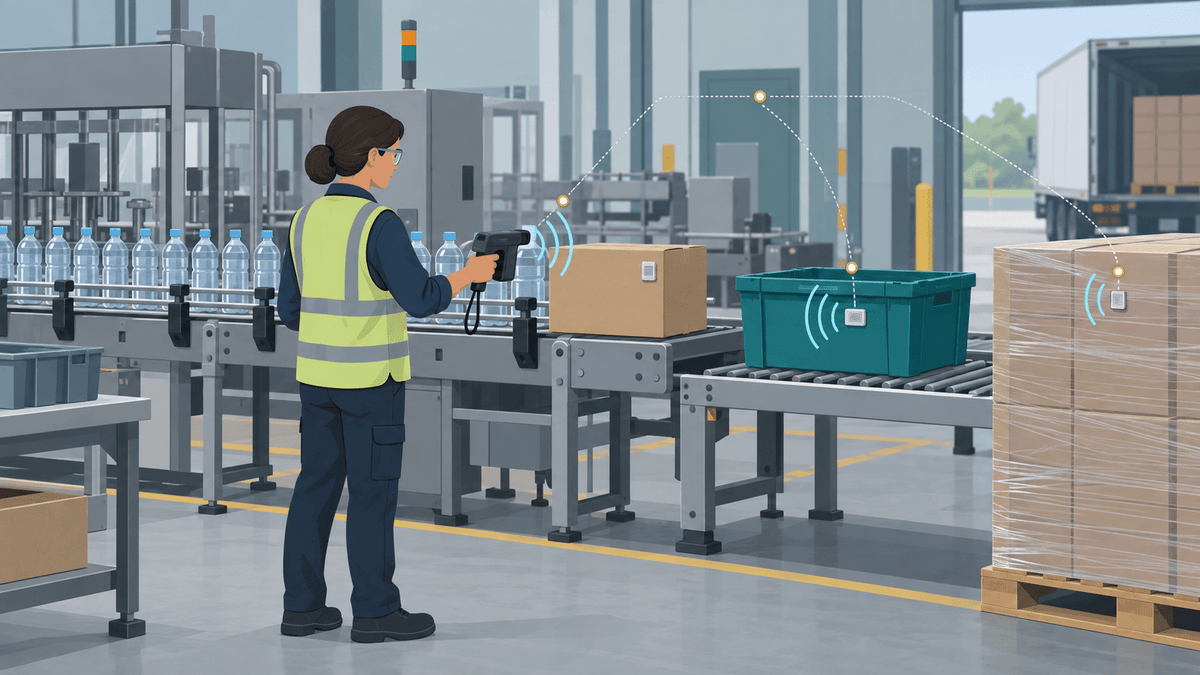
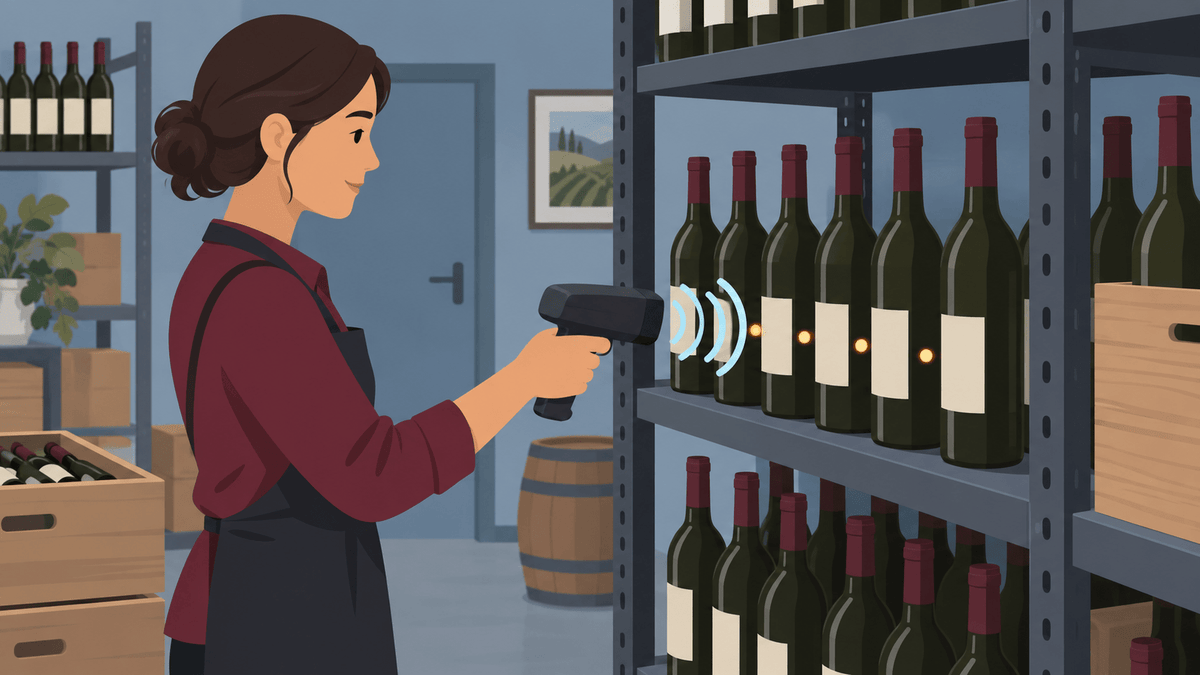
Wine inventory tracking starts with a distinct ID for each bottle you want to count separately. A compatible reader captures the tag ID, and your inventory software connects it with details such as the wine, vintage, stock location, and receiving record.
A winery inventory management workflow could use bottle IDs at receiving, during stock counts, and when preparing orders. A reseller could compare a scanned selection of bottles with a picking list before dispatch. These are possible workflows to plan with your software provider; a tag alone does not update your stock records.
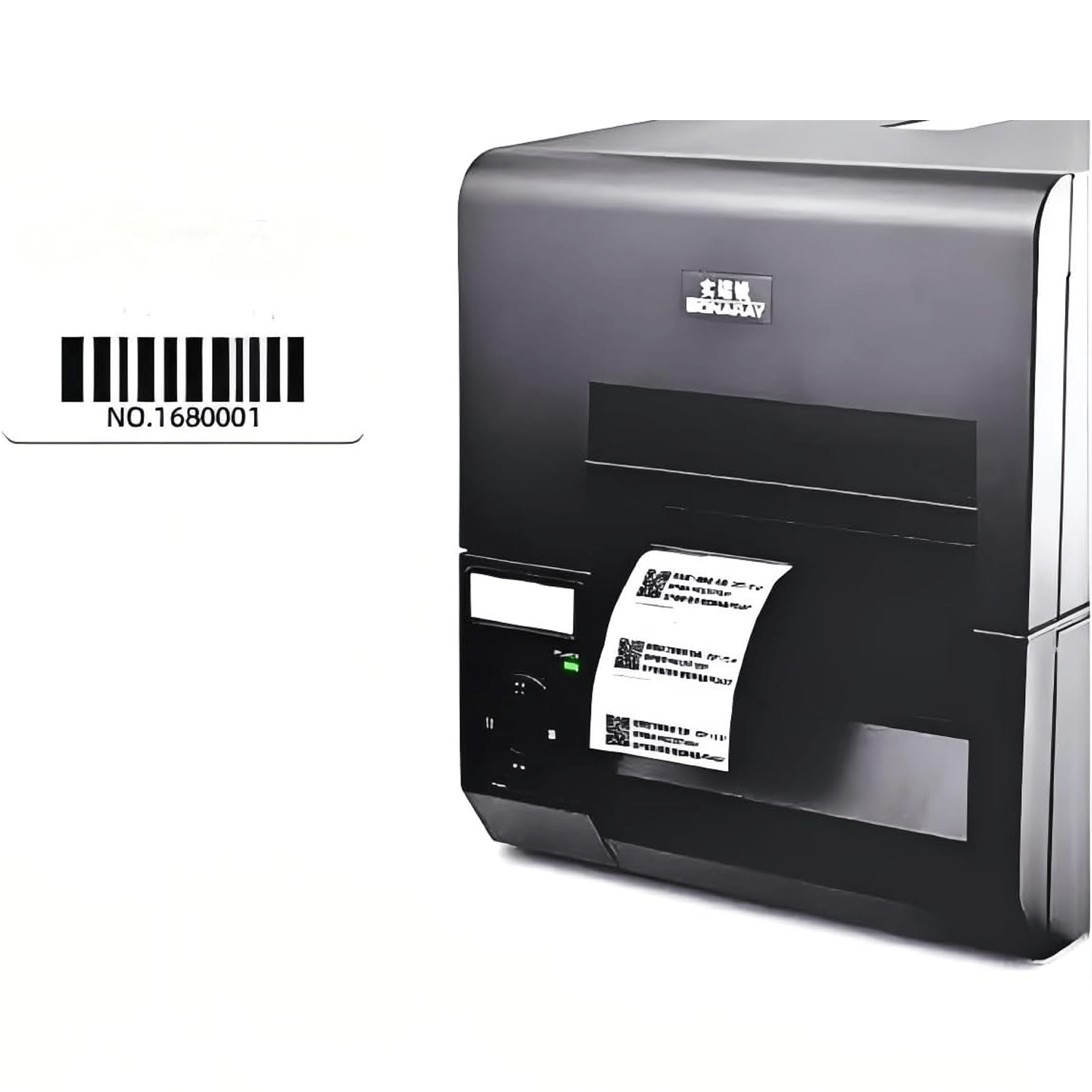
Our printable labels have writable Electronic Product Code (EPC) memory. If your system uses EPC values to identify individual bottles, assign a distinct value to each bottle and link it to the correct inventory record. Do not assume blank or repeated default EPC values will distinguish your stock.
Which RFID Tags for Wine Bottles Should You Consider?
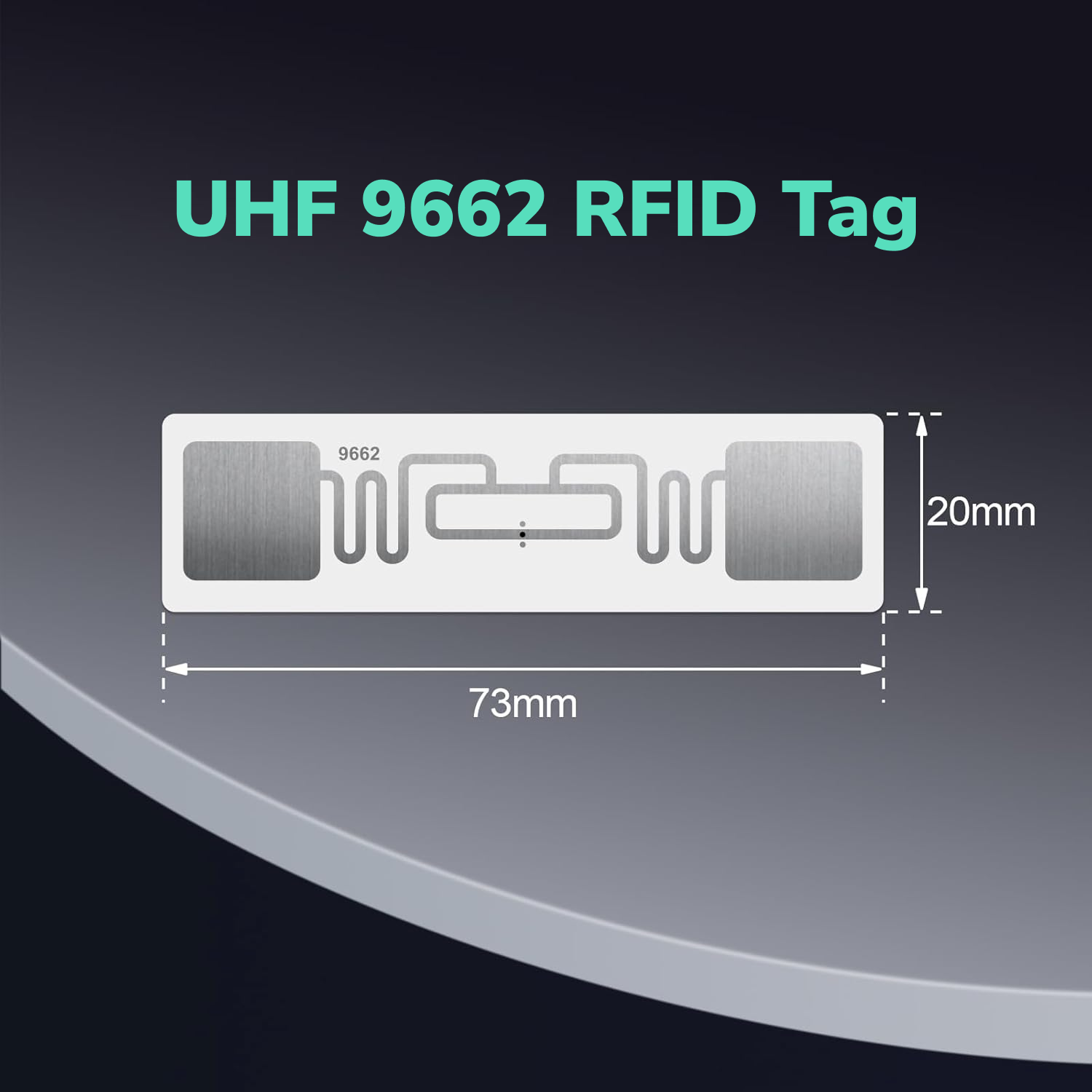
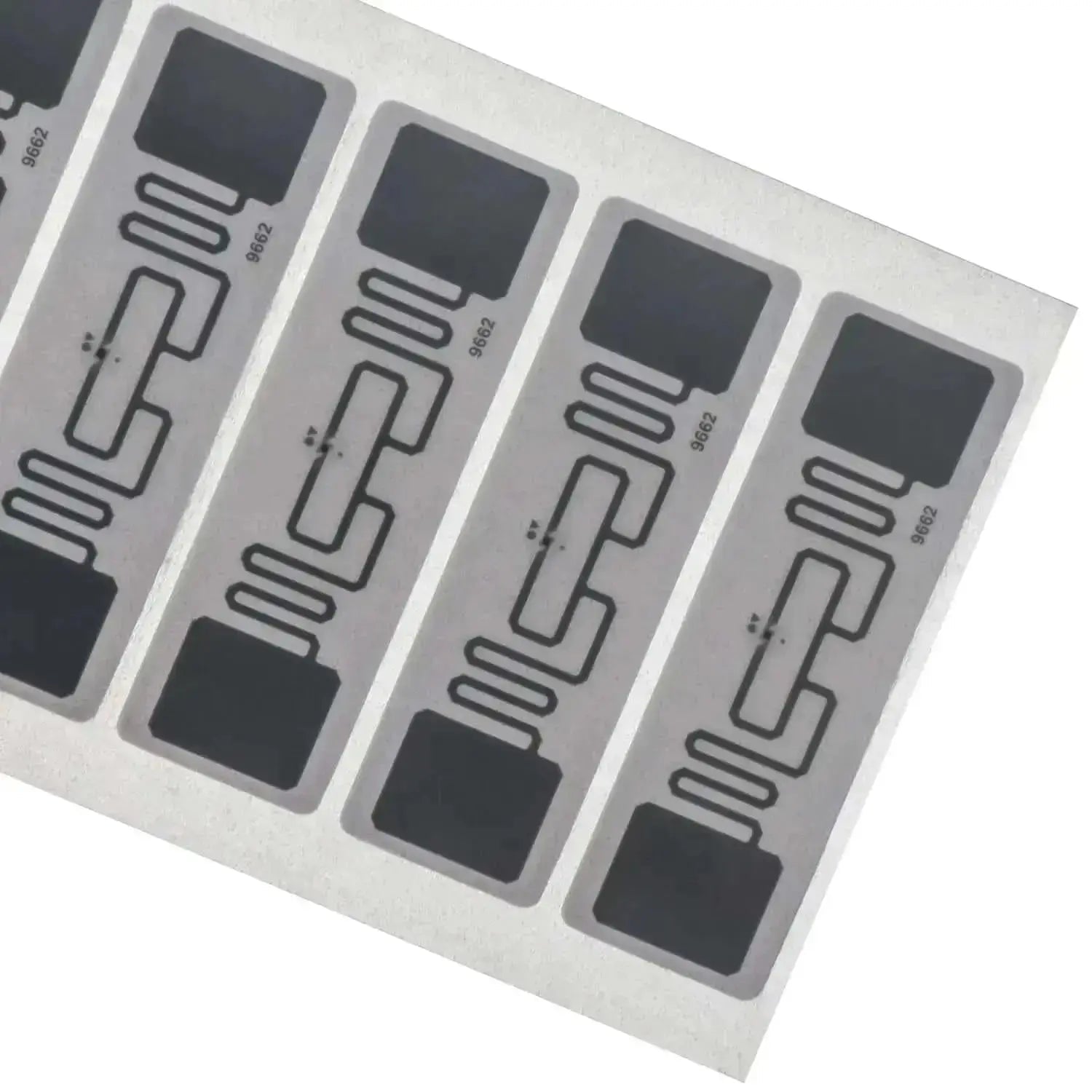
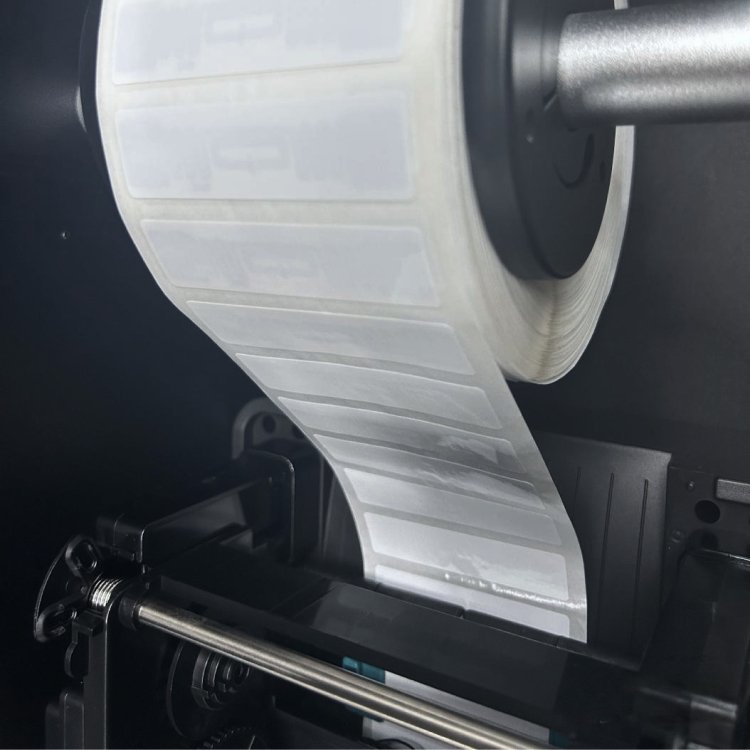
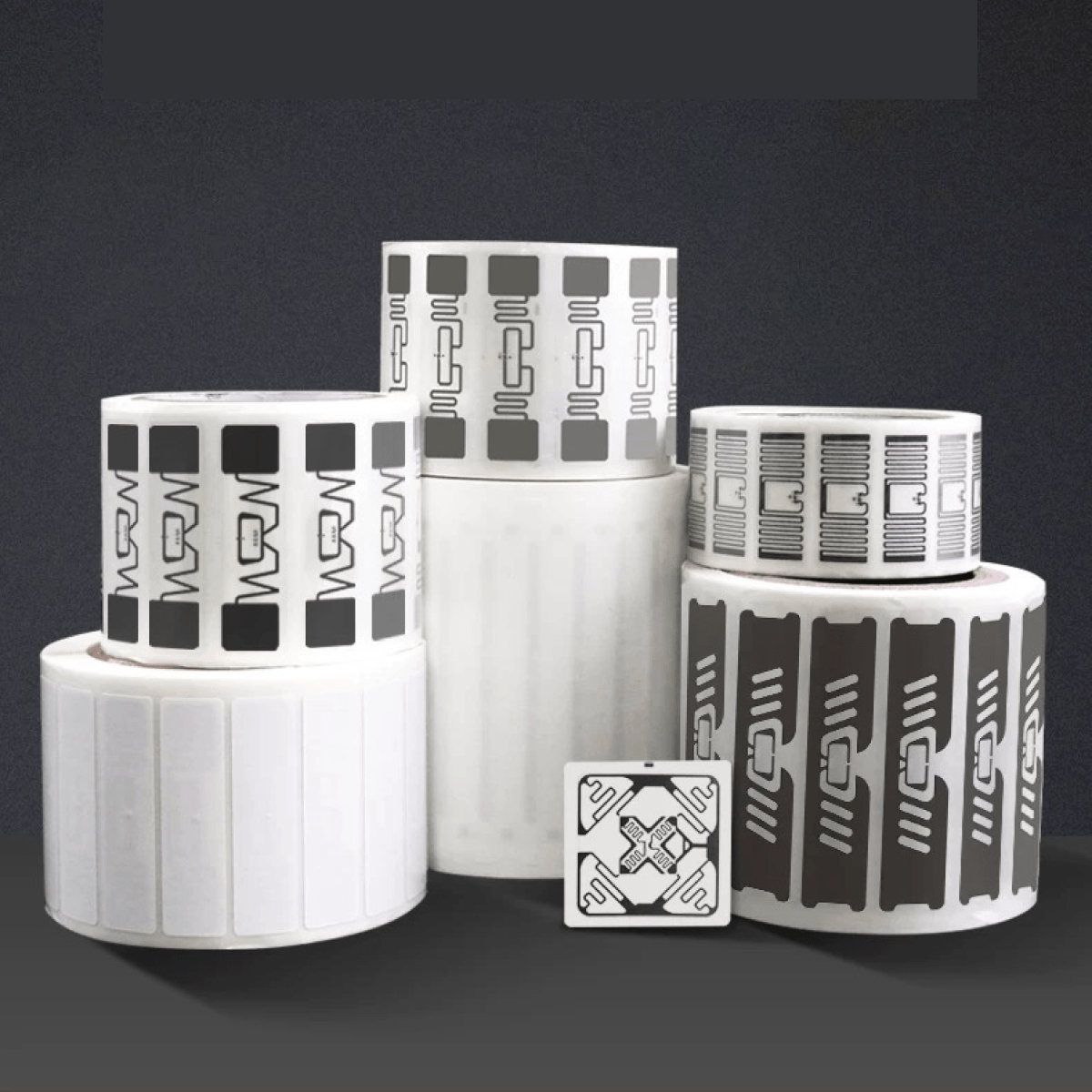
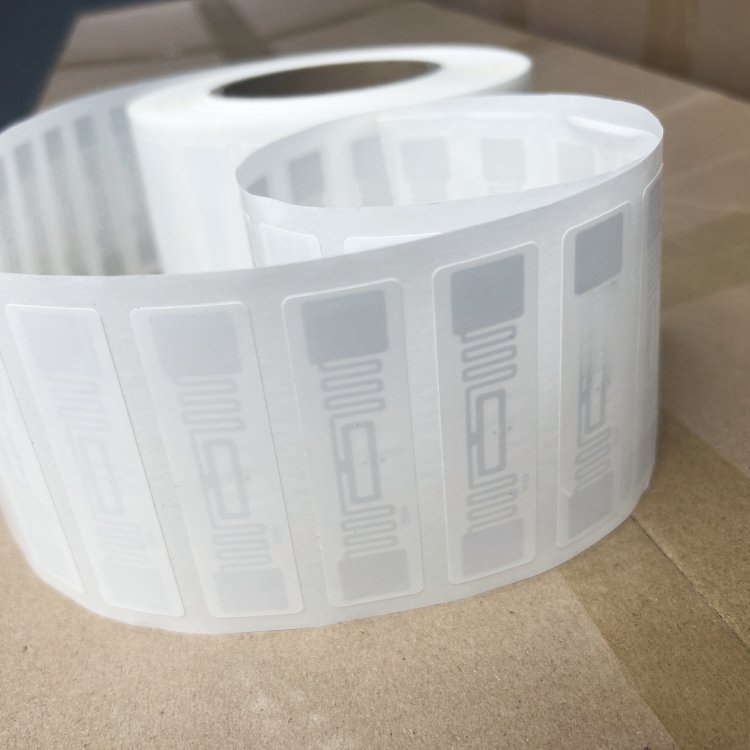
We suggest starting with two printable adhesive-label candidates: 9662 for a dry exterior and PET7018 when the label may encounter external moisture. Both are options to sample, rather than confirmed solutions for reading your filled bottles at 7 metres.
| Sample candidate | Label size | Why consider it? |
|---|---|---|
| 9662 Printable UHF RFID Sticker Inlay | 73 × 20 mm | A coated-paper adhesive label to compare for dry bottle surfaces or a suitable paper carrier. |
| PET7018 Waterproof Printable UHF RFID Label | 73 × 21 mm | A PET label with waterproof construction to compare when external moisture is part of the workflow. |
Our 9662 label has a read range of up to 8 m, while our PET7018 label has a reference range of 12 m, depending on the reader and environment. Those values do not establish the distance either label will reach on a filled wine bottle. Bottle placement, antenna setup, and nearby items must be checked before choosing a larger quantity.
RFID bottle tags also need to fit the area you can actually label. Compare the label dimensions with your bottle design, existing branding, and handling process before selecting samples.
Do Wine Bottle RFID Labels Need to Be Waterproof?
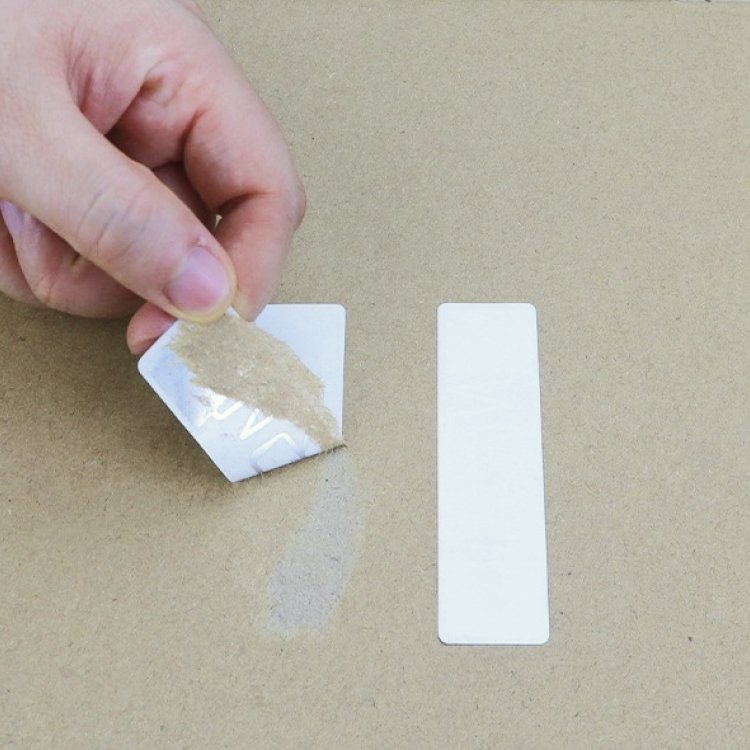
A sealed wine bottle does not automatically need a waterproof RFID label. If the exterior stays dry during storage and handling, an ordinary adhesive label may be sufficient, subject to checking adhesion and durability on that bottle.
A waterproof label becomes worth considering when the exterior encounters condensation, splashes, or cleaning. Waterproof construction alone does not confirm resistance to your cleaning chemicals, so describe those conditions when requesting samples.
A “wet inlay” is an adhesive-backed RFID format; the word “wet” does not mean the tag is waterproof or unaffected by liquid. Avery Dennison’s RFID construction guide shows the adhesive and liner used in wet inlays.
Can You Read the Bottles from 3–7 Metres?
Treat 3–7 m as the working distance your bottle-and-reader setup needs to achieve. A label specification above 7 m can help you shortlist samples, but it cannot confirm the same performance after the label is attached to a filled bottle.
Sealing wine inside glass prevents direct contact with the label, but it does not isolate the wine from radio signals. Liquid near the tag can change antenna behaviour and reduce reading performance; CapTag’s explanation of bottle-tag antenna behaviour describes this effect. Waterproofing and radio performance are separate selection questions.
For RFID wine bottle tracking, define whether you need to read one exposed bottle or identify bottles grouped on a shelf or in a carton. Check the reader model, antenna, operating region, bottle orientation, and arrangement alongside the target distance.
A successful read at 7 m is useful evidence, but repeated reads in your normal workflow matter more than one maximum-distance result. Also check whether the reader picks up bottles outside the intended counting area.
Where Should You Place the Tag?
Choose a label position that fits the bottle and remains readable in its normal storage position. For wine bottle tracking, compare a body-label position with a suitable neck or hangtag arrangement when your packaging allows it.
A body label keeps the tag attached directly to the bottle. A neck carrier may provide separation from the liquid, but the available space, closure, and bottle orientation still need checking. No single position is best for every bottle.
Test the bottle as it will be handled: upright, horizontal, beside other bottles, or inside its usual packaging. If your requirement also includes bottles moving through production, our guide to RFID labels for PET bottles covers that separate workflow; its product options do not prove suitability for wine bottles.
Check Samples in Your Wine Inventory Workflow
Start an RFID wine inventory pilot with a representative group of bottles and your intended reader. Include the bottle shapes, fill levels, storage positions, and packaging you expect to encounter.
- Compare permitted placements. Attach samples to the positions you can use without disrupting the packaging.
- Check 3 m, 5 m, and 7 m. Repeat the reads at each required distance and record which bottles are detected or missed.
- Repeat the actual task. Compare individual reads with your normal shelf, carton, receiving, or dispatch arrangement.
- Check the records. Confirm that each tag points to the correct bottle and that repeated reads do not become duplicate stock entries.
- Agree the acceptance criteria. Decide how many bottles must be detected, within what time, and with what tolerance for unintended nearby reads.
We can help you choose label samples to compare for your wine bottles. Share your target distance and bottle setup so we can narrow the options before you commit to a larger order.
Request Wine Bottle Tag Samples
Have a bottle photo, the available label area, your reader model, and your operating country ready for the follow-up. Tell us whether you will read bottles individually or together, and whether the label will encounter moisture.