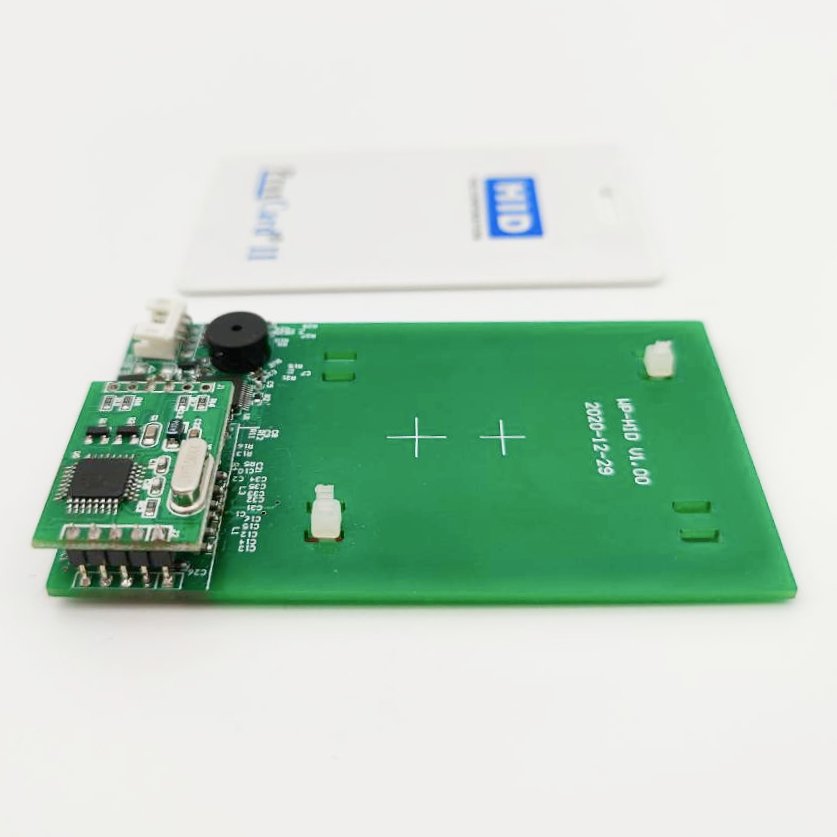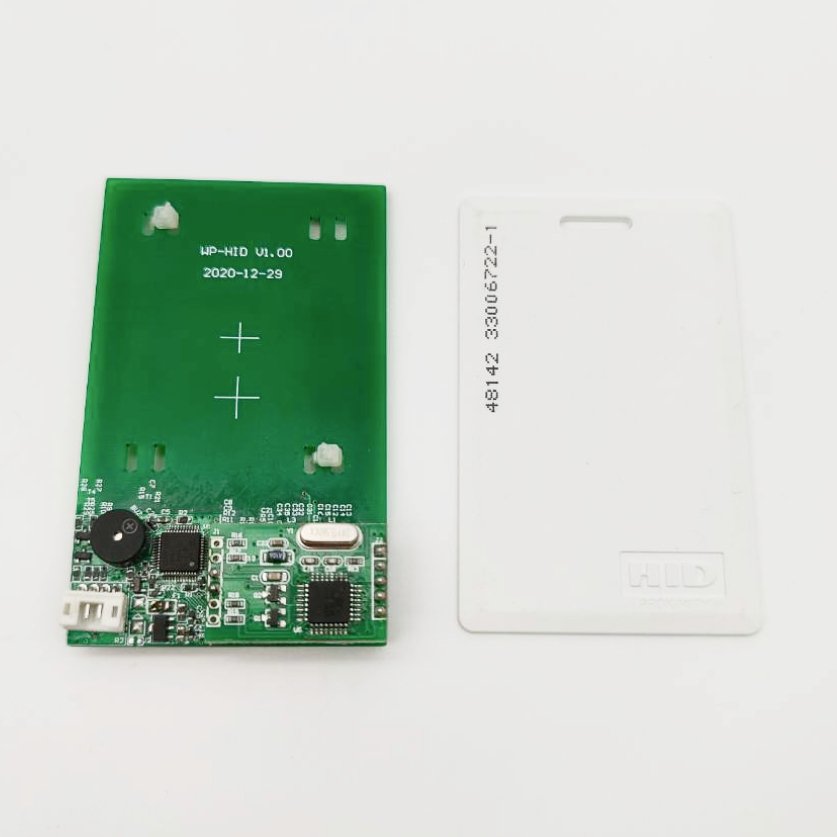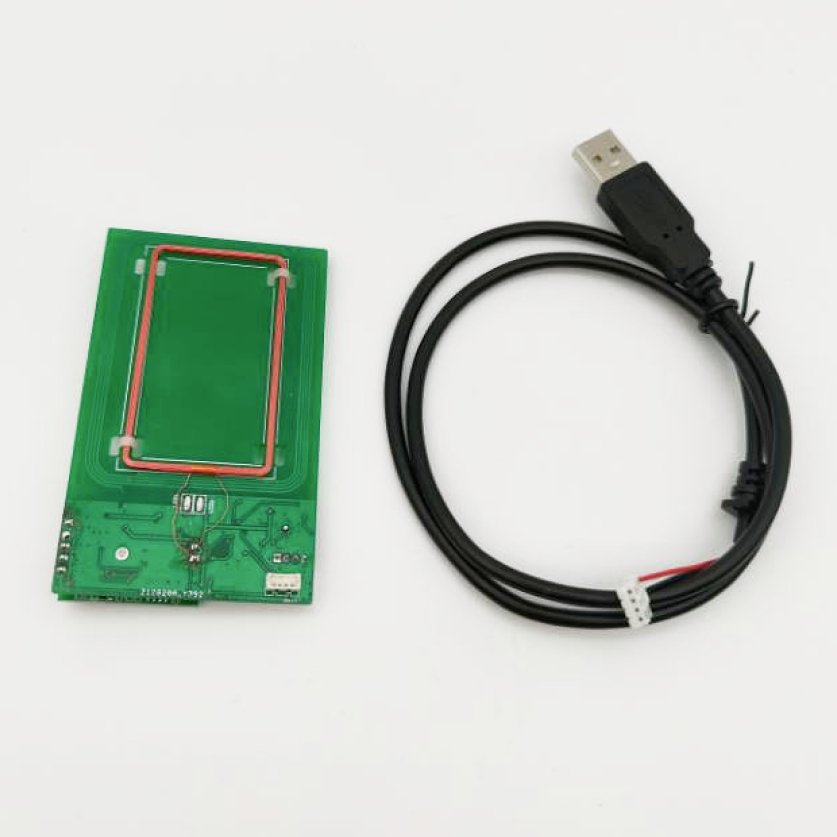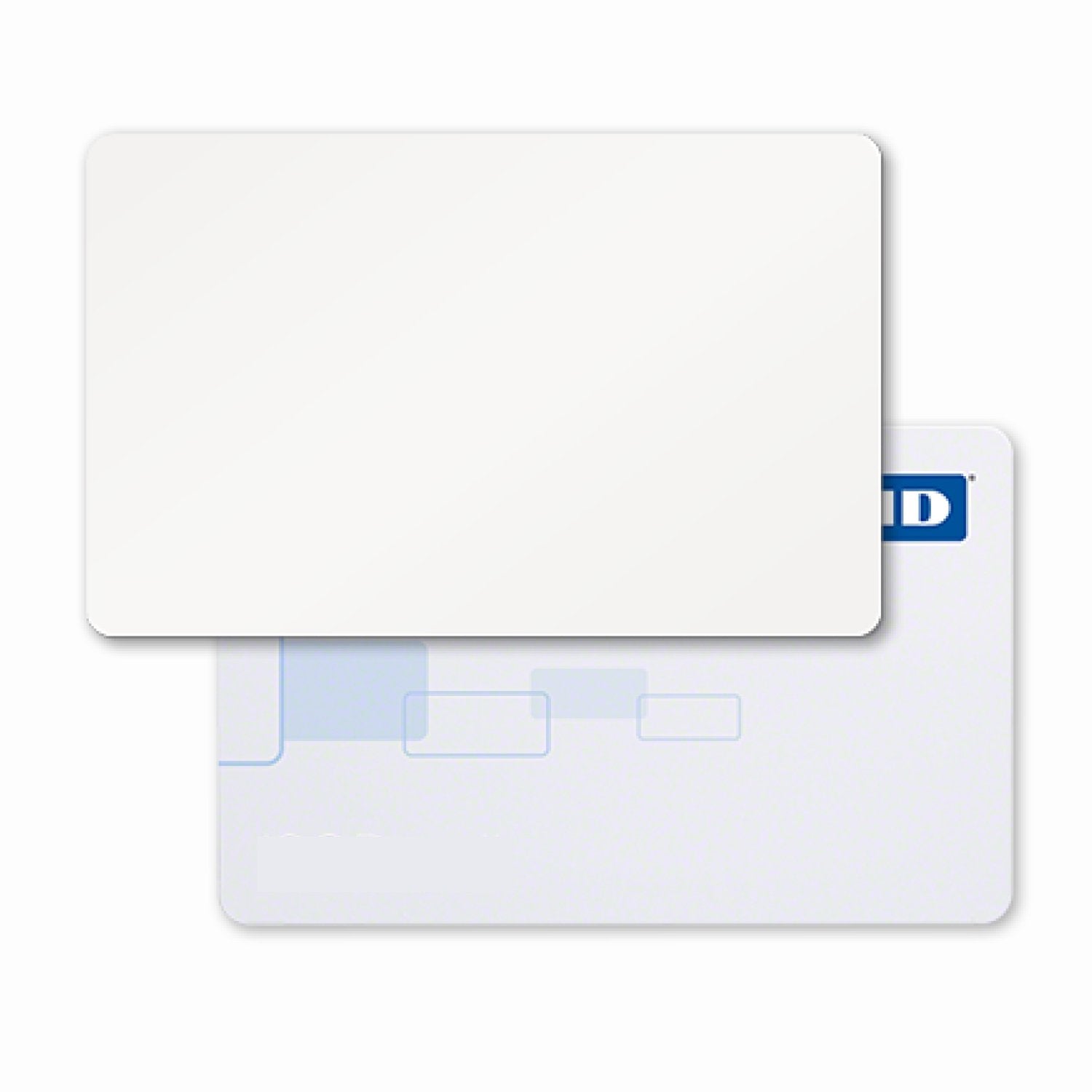


A MIFARE DESFire card is a contactless smart card built around an NXP DESFire IC. It can store application files with controlled access for uses such as access management and ticketing. This guide helps you check the generation, reader, application and keys before ordering or replacing cards.
What Is a MIFARE DESFire Card?
DESFire belongs to NXP’s MIFARE contactless IC family. The card uses a 13.56 MHz interface; DESFire EV3 supports ISO/IEC 14443 Type A communication through layer 4.
A plastic card is the finished credential, while the IC provides the memory and supported security functions. Printing, antenna design and personalization are separate parts of the finished card.
See NXP’s DESFire EV3 product overview for the IC’s supported interface and options.
How Does a DESFire Card Work?
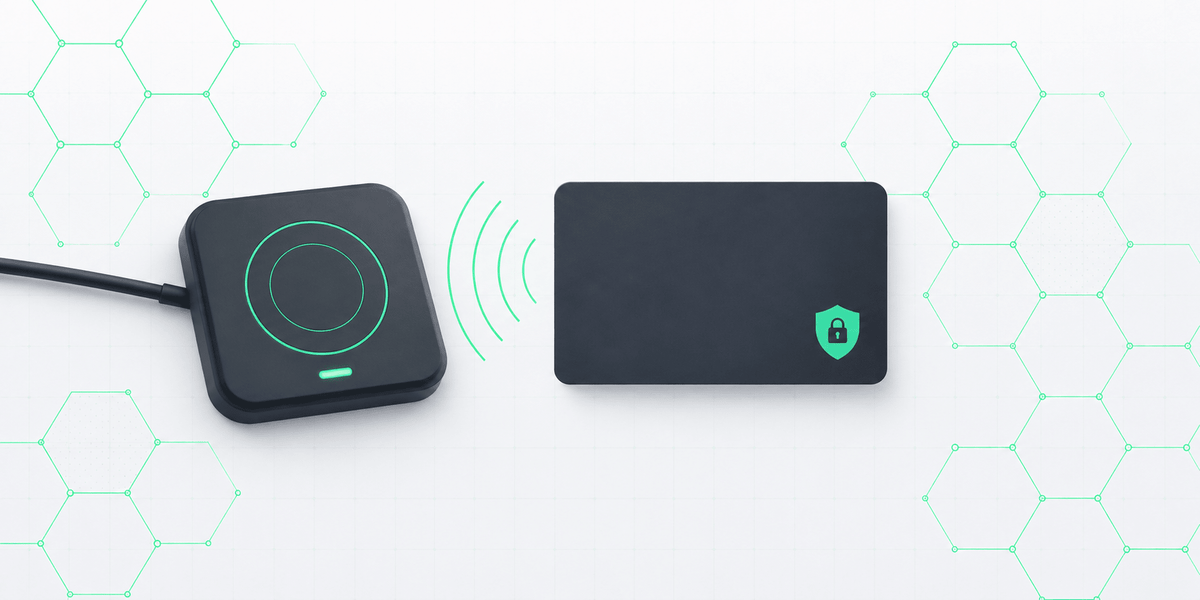
A compatible reader powers the card over the contactless field and exchanges commands with its selected application. The application’s access rights determine whether files can be read or changed and whether authentication is required.
Think of an application as a container for related files and settings. The issuer decides what those files represent; buying a blank DESFire card does not automatically create a working door-access or transport credential.
MIFARE Classic vs. DESFire: What Changes?
| Selection point | MIFARE Classic | MIFARE DESFire |
|---|---|---|
| Memory structure | Sector and block organization | Application and file organization |
| Security configuration | Classic-specific authentication and access bits | Application keys, access rights and supported secure messaging |
| Replacement question | Does the system expect Classic sectors or just a displayed identifier? | Does the reader support the DESFire application and issuer’s configuration? |
Sharing 13.56 MHz does not make Classic and DESFire interchangeable. Check the application and provisioning process as well as the reader’s chip support.
NXP’s MIFARE Classic 1K datasheet describes its sector and block structure.
DESFire EV1 vs. EV2 vs. EV3
EV1, EV2 and EV3 identify DESFire generations. NXP specifies functional backward compatibility for EV3 with earlier DESFire generations; that does not guarantee that any purchased card is ready for your existing system.
EV3 adds functions such as a Transaction Timer and Secure Dynamic Messaging. New functions need compatible commands and configuration; choose the generation supported by your issuer and readers rather than assuming a newer chip is automatically a working replacement.
NXP’s DESFire EV3 short datasheet provides the generation comparison and configuration requirements.
Does DESFire Prevent Card Copying?
A protected DESFire application can authenticate access and use secure messaging. EV3 supports AES-128 among its cryptographic options, but the system must configure and use the relevant keys and access rights.
A reader that uses only an unprotected identifier does not gain application authentication merely because the card contains a DESFire chip. Credential security, reader-to-controller communication and backend permissions need separate checks.
NXP lists Common Criteria EAL5+ certification for EV3 IC hardware and software. This certification does not certify your complete access-control installation or make it immune to every attack.
NXP’s DESFire EV3 fact sheet describes the supported security functions and certification scope.
Which Readers Can Read DESFire Cards?
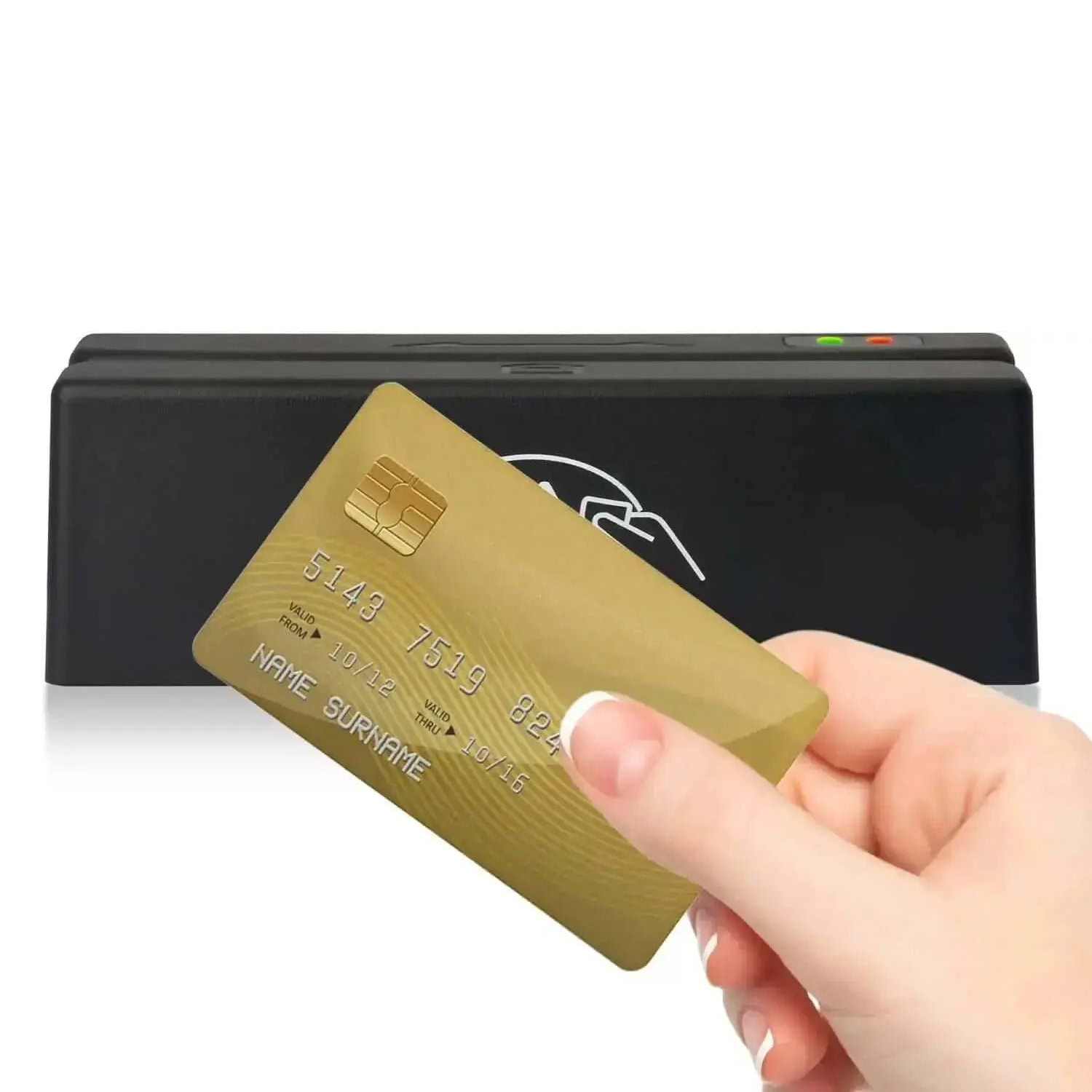
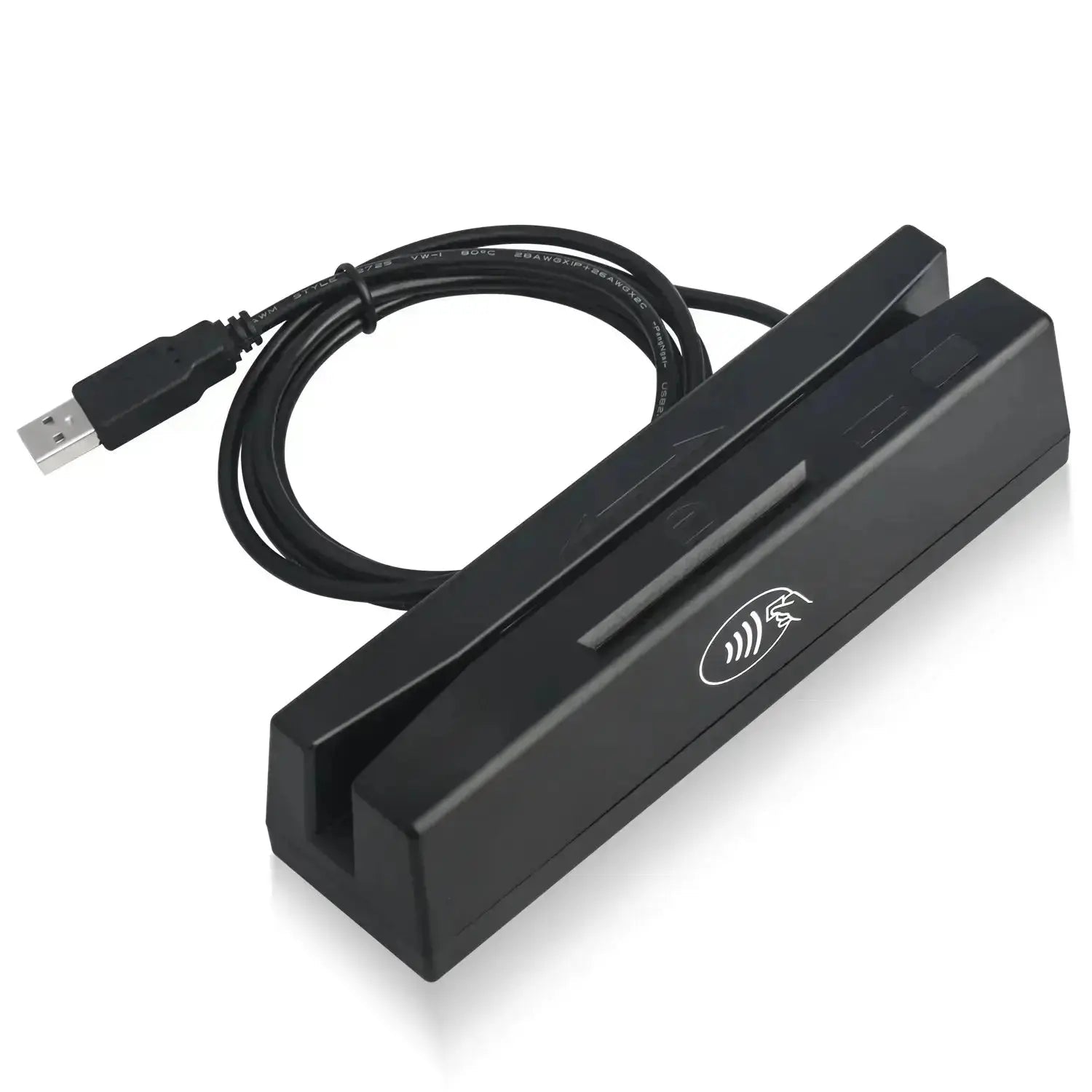
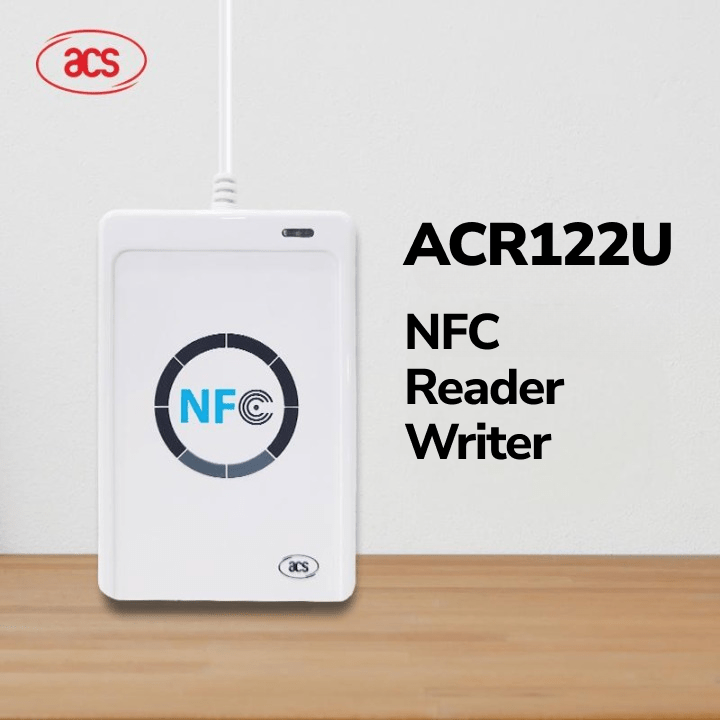
Use a reader that supports the exact DESFire generation and the commands your application needs. A generic “13.56 MHz reader” claim is insufficient.
Ask the system provider whether it reads an identifier or authenticates a protected application. For door access, also confirm the reader output, controller format, provisioning process and ownership of application keys.
Can a Phone Read a DESFire Card?
A compatible NFC phone and app may communicate with a DESFire card. Protected application data still requires the appropriate commands, access rights and keys.
EV3 supports NFC Forum Type 4 Tag functions, including configured NDEF applications. That does not mean every issued access card contains a public URL or can be copied into a phone wallet.
How Are DESFire Cards Programmed?
The system issuer defines the application, files, keys and access rights, then personalizes the card through an authorized encoding process. A successful UID read or printed card number is not proof that personalization is complete.
We recommend confirming the required generation and memory option with the system provider before ordering. Test an encoded sample for enrollment, access, revocation and any secondary application.
What Should You Confirm Before Ordering?
- The required DESFire generation and memory option.
- The reader model, firmware and application support.
- Whether access uses an identifier or authenticated application data.
- The issuer’s encoding process and responsibility for keys.
- The card format, artwork and any visible numbering requirements.
- A sample approval process using the intended reader and controller.
Share the reader model and system provider’s non-secret requirements with us. We can help you compare card options and plan a sample check; keep secret keys within your authorized provisioning process.
Continue with our RFID, HID and MIFARE comparison, RFID access-card guide and 26-bit numbering explanation.