
Can You Use UHF RFID Labels to Track PET Bottles?
Yes, you can use UHF RFID labels to track PET bottles through production and warehousing. You need to match the label size and placement to the bottle, liquid, packaging, and reader path.
One unique Electronic Product Code, or EPC, can connect each bottle with its item record. A reader can capture that EPC without seeing a printed barcode, but the complete setup still needs to work on filled bottles under real line and warehouse conditions.
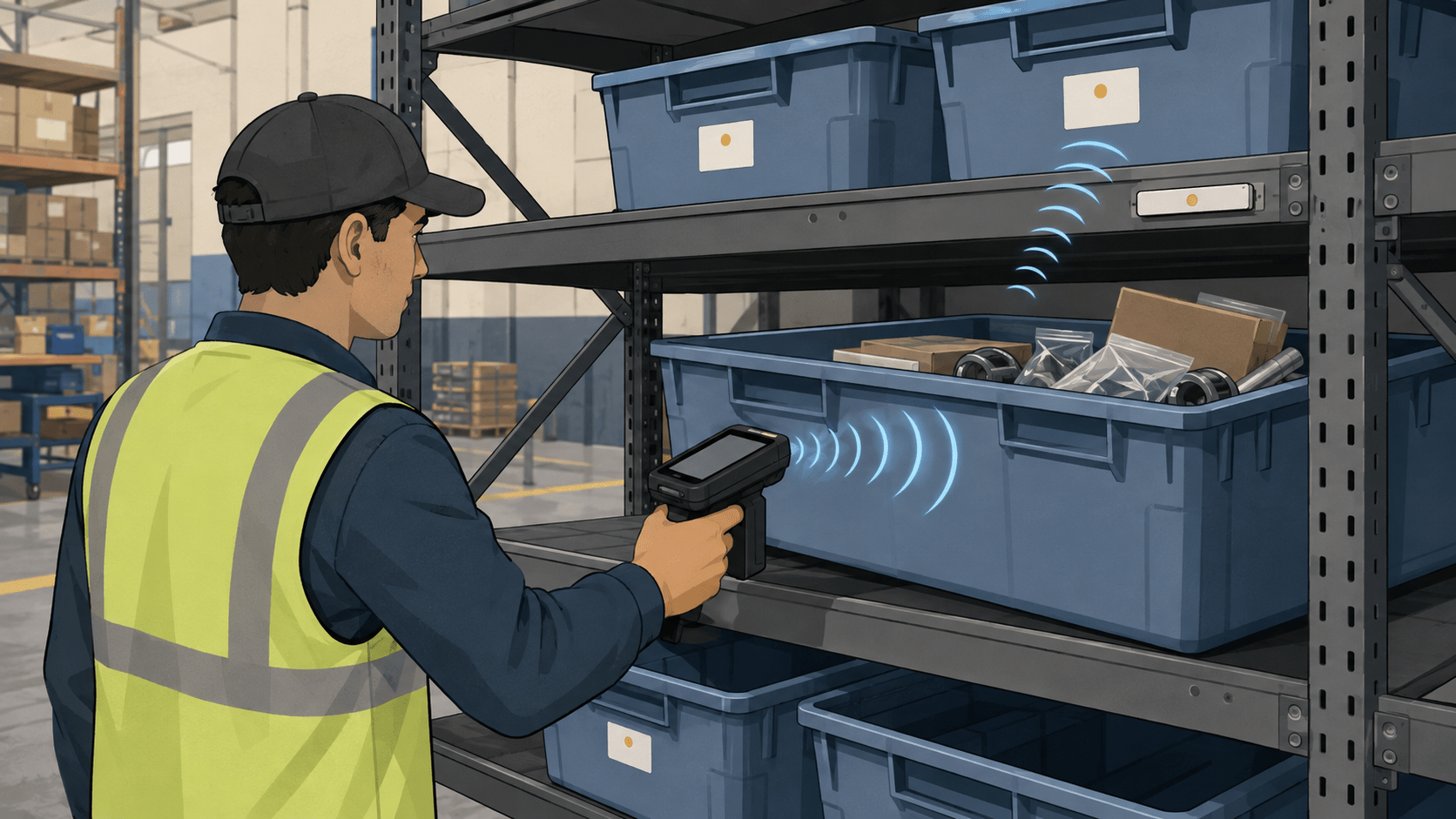
When customers ask us about PET-bottle tracking, we first clarify when the system should identify each bottle. You may need a read after labeling, while bottles move on a conveyor, when workers pack a case, or when a pallet enters storage.
Why Does Liquid Make UHF RFID Bottle Tracking Harder?
Liquid can absorb UHF radio energy and change how the tag antenna works. A label that reads on an empty bottle may behave differently after you fill it.
The effect depends on the liquid, fill level, space above the liquid, bottle shape, label position, and tag orientation. Do not choose a final label from a flat or empty-bottle check alone.
Impinj describes liquids, metal packaging, and small items as harder-to-read products because their contents or available label area can interfere with RFID performance. Its guidance for tagging liquids and small products recommends checking tag placement on the actual packaging.
We recommend keeping the first comparison simple. Read the same tag flat, on an empty bottle, and on a filled bottle before you add conveyor speed, cases, or pallets.
Which Printable UHF RFID Labels Fit a 0.5 L PET Bottle?
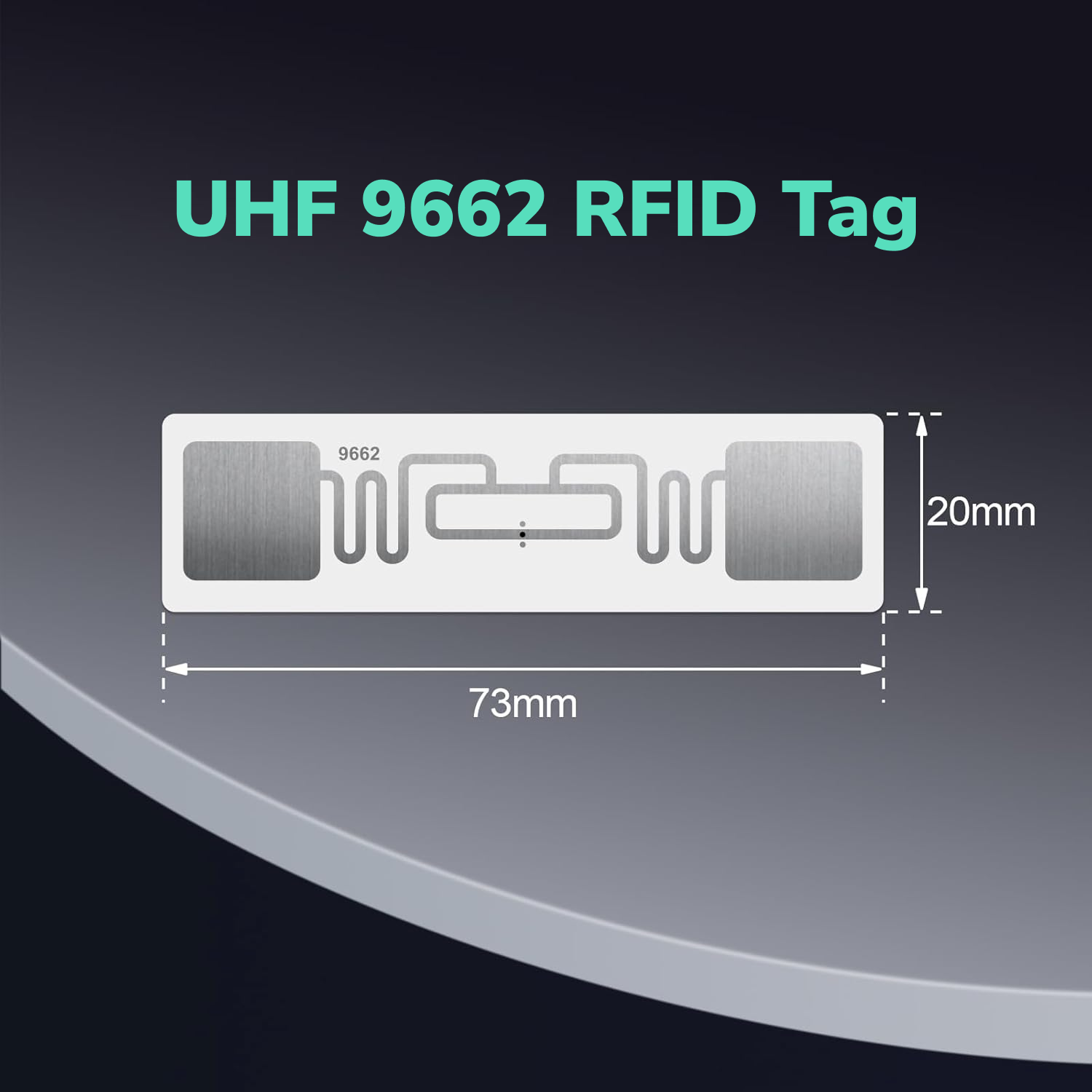
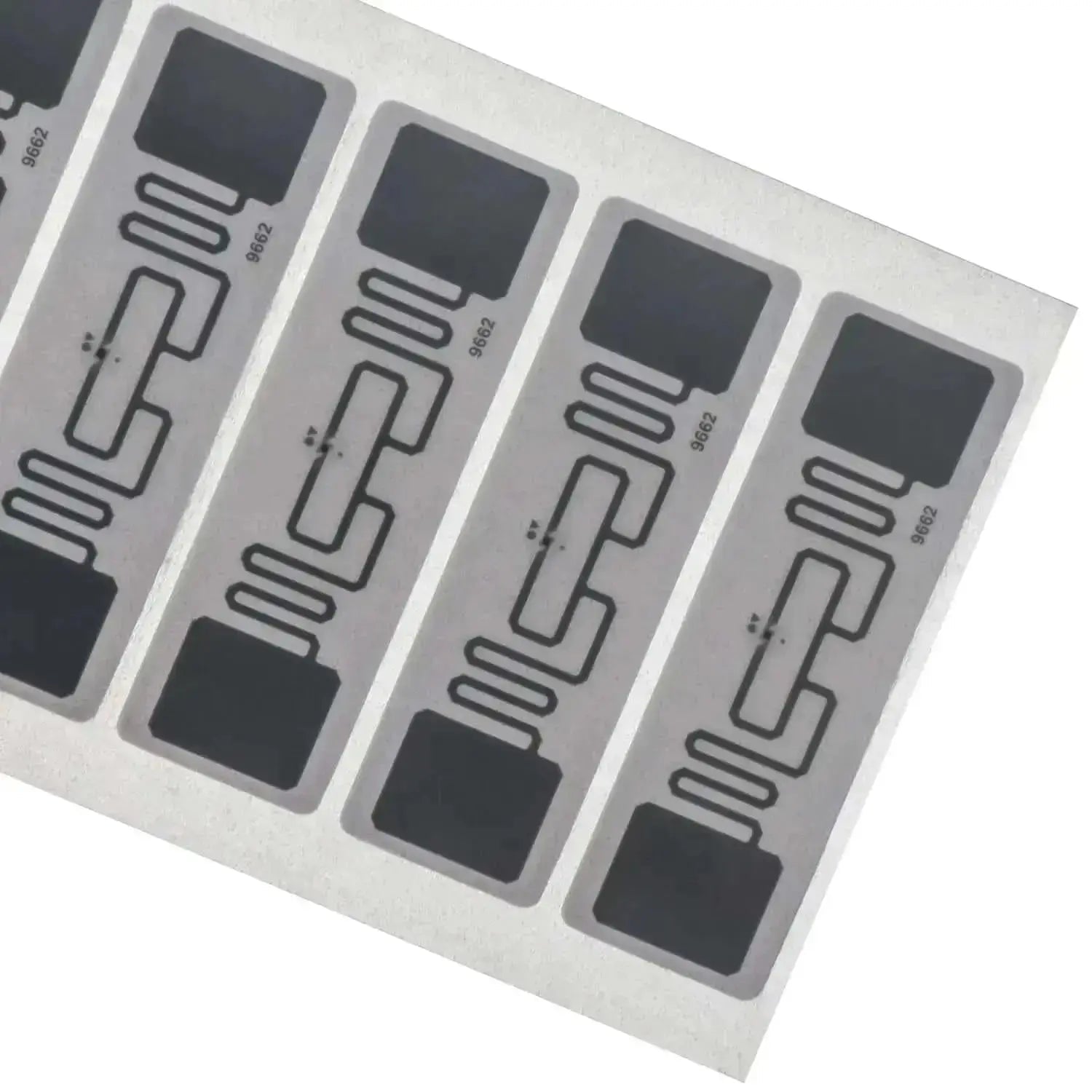
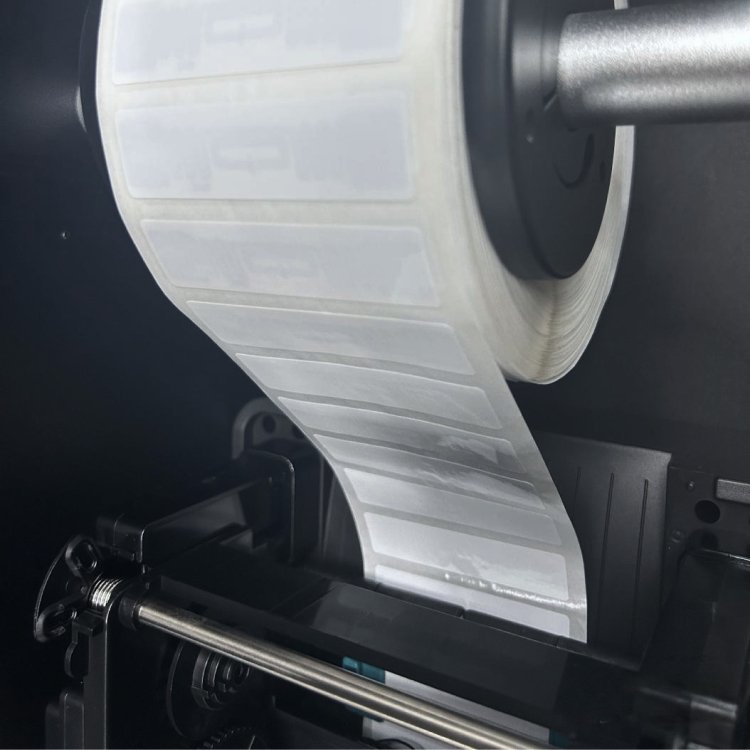
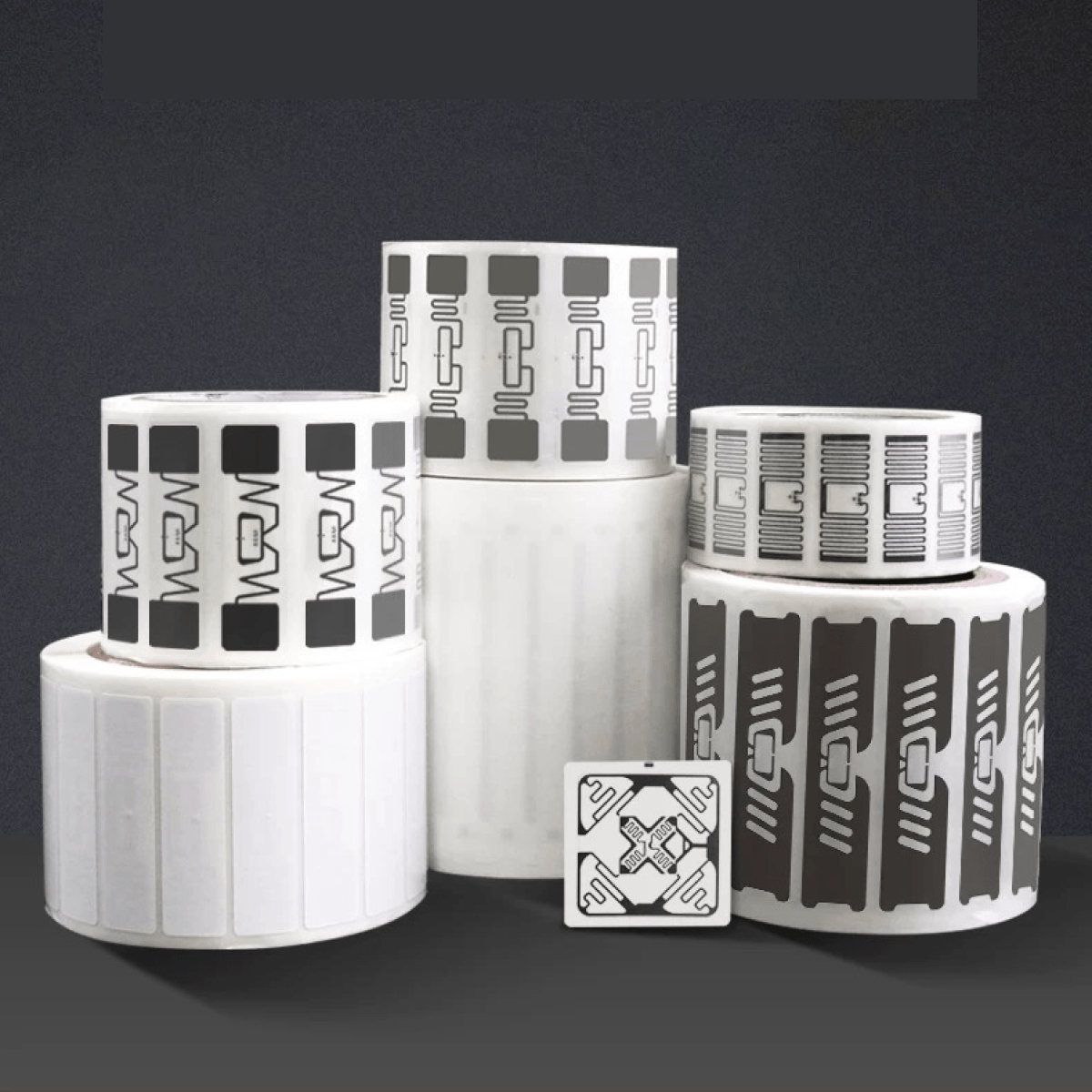
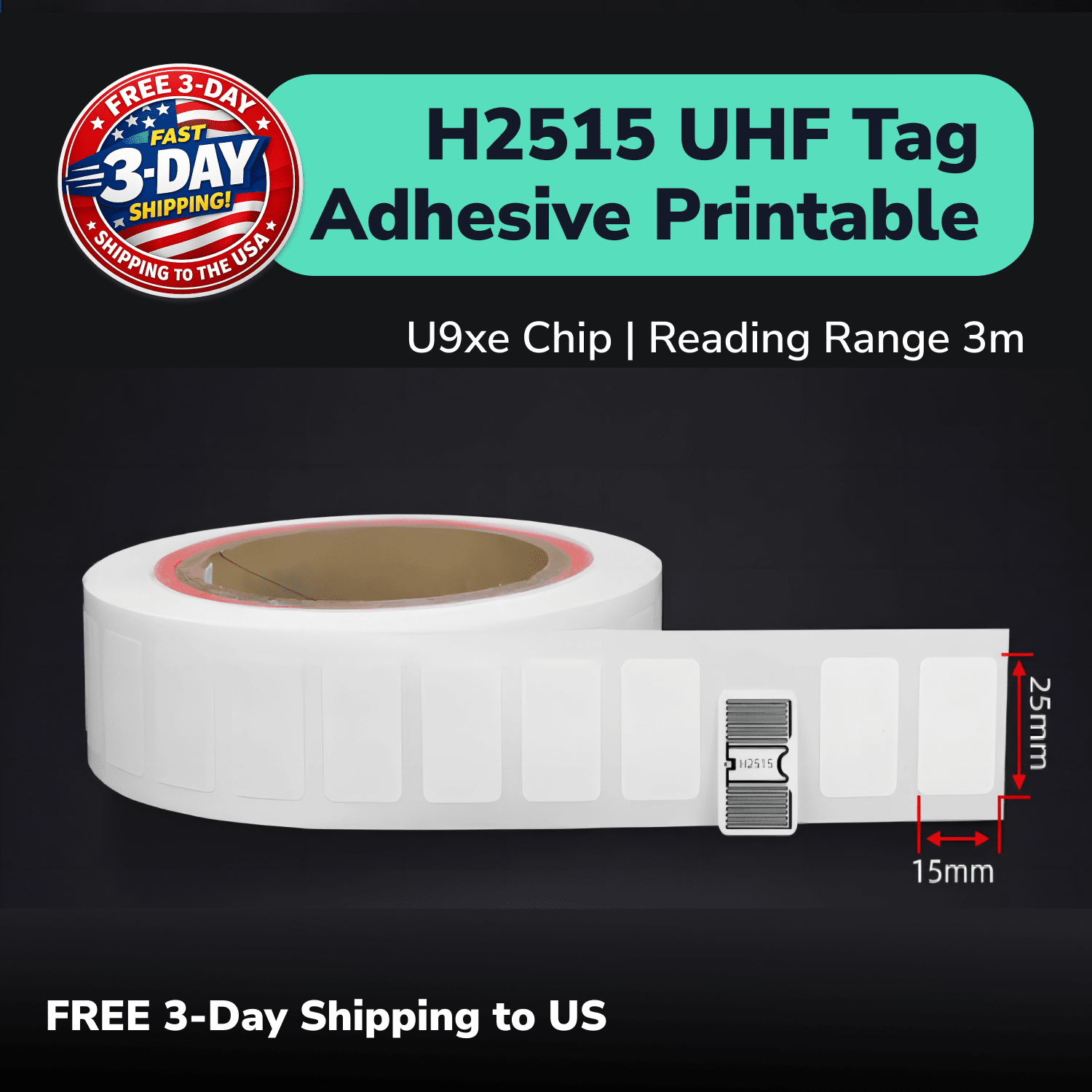
We recommend starting with our 9662 and 5030F tags as two printable bottle-body candidates. Their different shapes let you compare a long, narrow label with a wider format.
| UHF RFID tag | Verified format | Where it may fit |
|---|---|---|
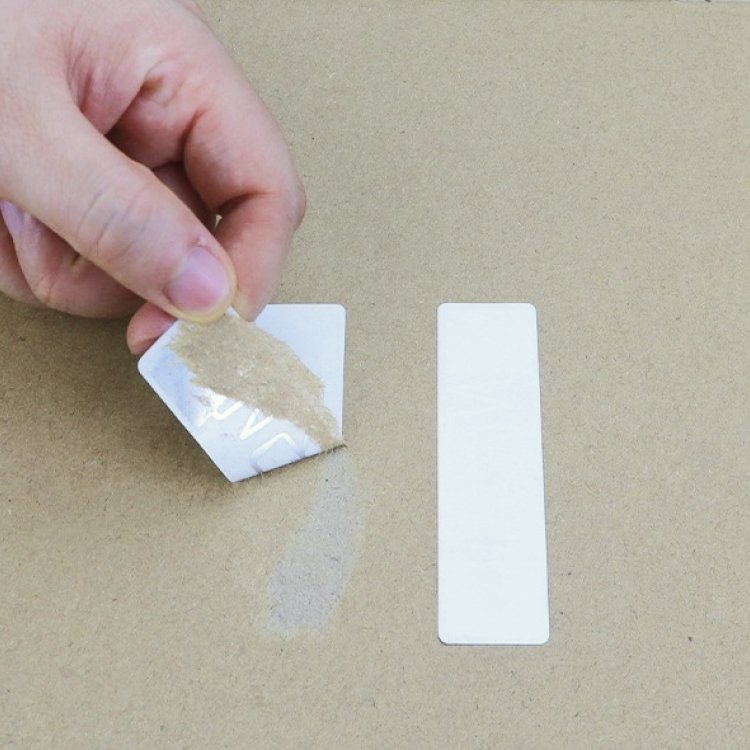
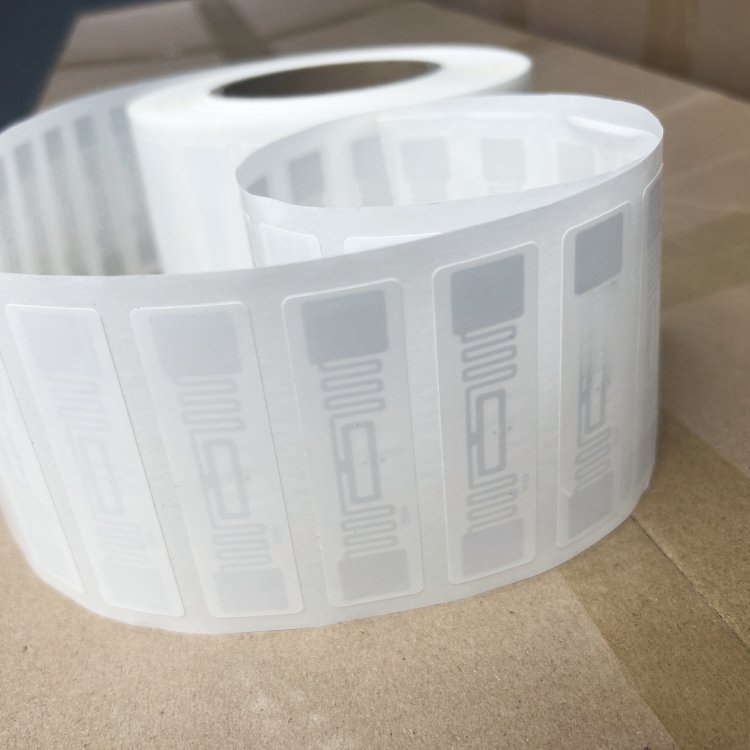
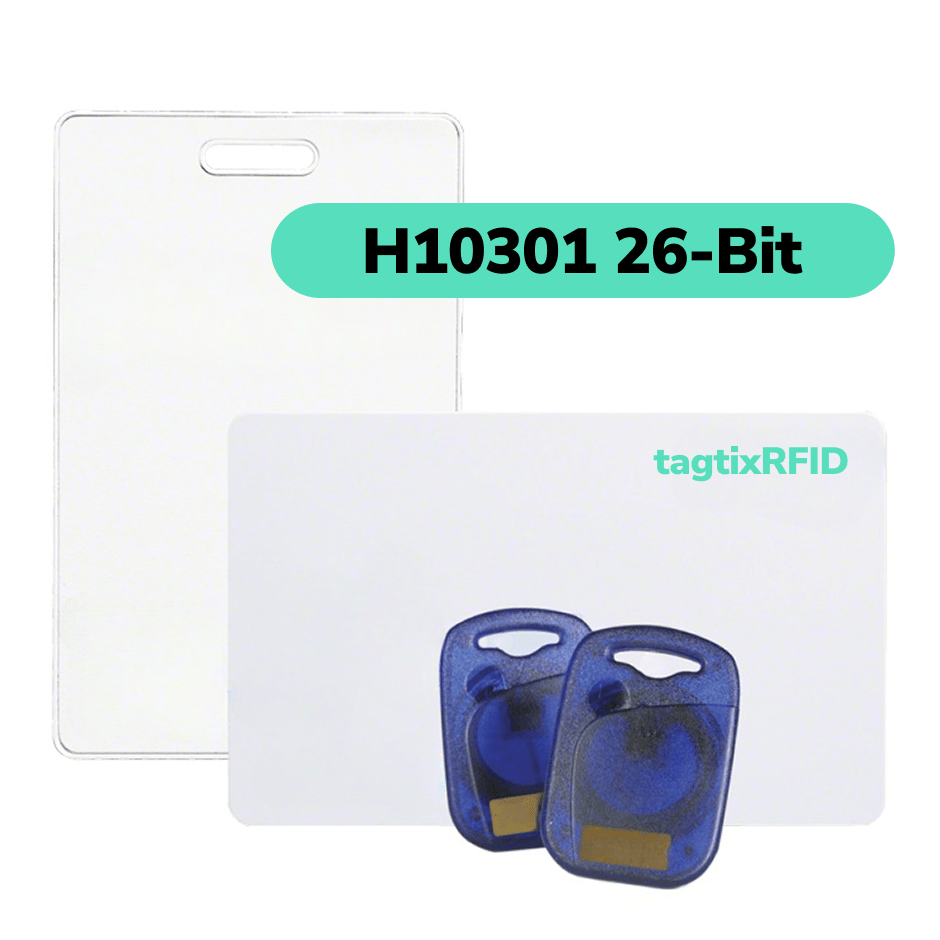
| 9662 Printable UHF RFID Sticker | 73 mm × 20 mm coated-paper adhesive label; printable and markable | A long, narrow area on the bottle body or packaging label |
| 5030F Printable UHF RFID Sticker | 54 mm × 34 mm adhesive inlay with a printable format | A wider bottle-body area where the antenna can stay smooth |
Our 9662 tag has a read range of up to 8 m, and our 5030F tag has a read range of up to 12 m. The actual distance can vary with the reader, antenna, liquid, label position, bottle direction, and environment.
Those numbers do not predict performance on a filled PET bottle. If reading distance matters, we recommend comparing both formats on the real filled bottle with your actual reader, antenna, fill level, and movement path.
Neither product record confirms food-contact approval, washdown resistance, cleaning-chemical resistance, or cold-chain performance. Keep the tag outside any direct food-contact area unless the finished label construction receives the required approval.
Where Should You Place a Label on the PET Bottle?
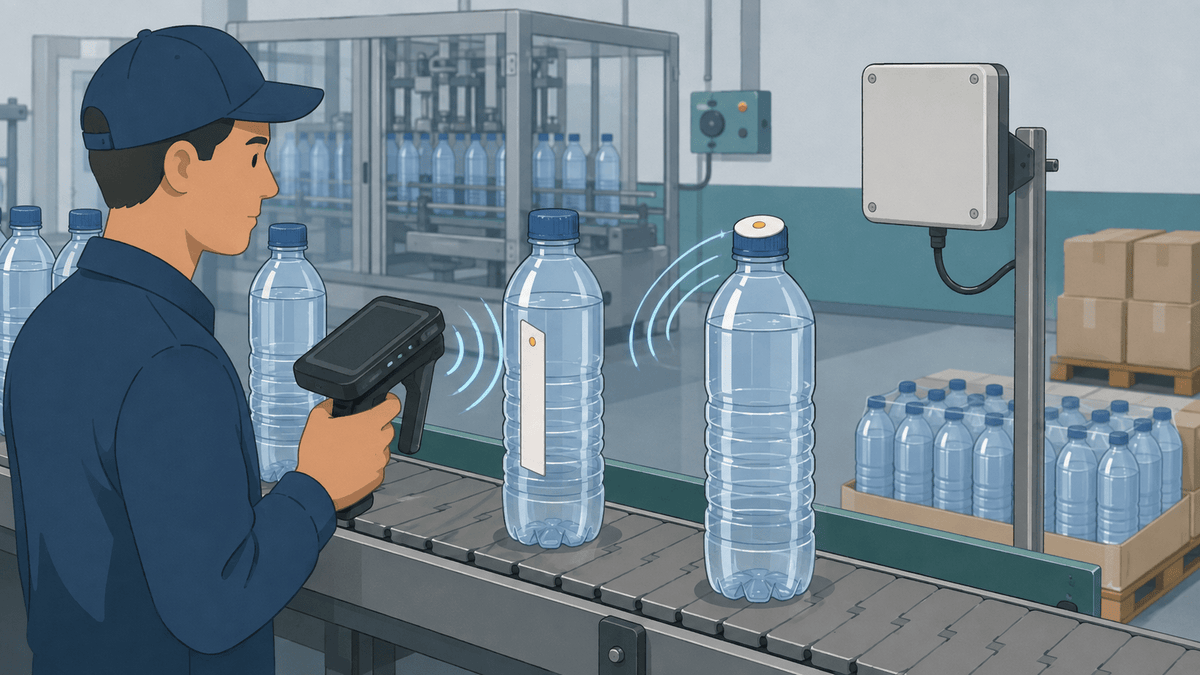
We recommend comparing an RFID label on the bottle body with a smaller round tag on the lid or cap. Choose the path that gives the tag enough space, protects the packaging design, and faces the normal reader direction.
Bottle-body placement
Place a body label where the antenna can stay smooth without folds, overlap, or sharp bends. Compare the upper label area, middle body, and lower body on both empty and filled bottles.
An upper-body position near the air space may put more distance between the antenna and the liquid. It is a candidate to test, not a universal answer for every bottle or reader layout.
Keep required product information and packaging graphics visible. If the RFID inlay sits under another label layer, qualify the complete converted label instead of testing only the loose inlay.
Bottle-cap or lid placement
Use an ultra-small round UHF tag on the lid or cap when the body has strict size, branding, or location limits. The cap may also create a different distance and angle from the liquid.
The M30 Ultra-Small UHF RFID Wet Inlay has a verified 30 mm round footprint. The J41 Ultra-Small UHF RFID Wet Inlay has a 15 mm round footprint for tighter spaces.
M30 and J41 are flexible, self-adhesive wet inlays, but their verified surfaces are not printable or markable. Use them as cap-placement candidates when electronic identity matters more than visible printing on the tag itself.
Cap size alone does not decide performance. Check the cap material, closure process, bottle orientation, tamper band, filling step, and reader angle before choosing a smaller tag.
Should You Check Empty, Filled, and Packed Bottles Separately?
Yes, we recommend comparing empty, filled, and packed bottles as separate stages. Each stage changes the material and tag population inside the reader's field.
Use the same bottle design and normal liquid fill for each label position. Then rotate the bottle so you can see how the tag behaves when it faces toward, away from, or across the reader antenna.
After single-bottle checks, move to the normal spacing on the production line. Add cases and pallets only after you understand the individual bottle setup.
The RAIN Alliance field guide explains that water content, material, orientation, tag population, and environmental reflections can change read performance. It recommends checking the complete system in the intended environment.
Can the Labels Read While Bottles Move on a Conveyor?
UHF RFID can identify bottles on a conveyor when the read zone gives each tag enough time and energy. Line speed, spacing, tag direction, antenna position, reader settings, and nearby equipment all affect the result.
We recommend starting with stationary bottles. Move them slowly through the intended read zone, then increase the speed until you reach normal production conditions.
Count more than successful reads. Record missed EPCs, duplicate reads, tags captured from outside the station, and bottles that only read in one direction.
A wider reader zone is not always better. Too much power can capture bottles from the next line section or a nearby pallet, so tune the zone around the exact business event you want to record.
What Should You Print and Encode on Each Bottle Label?
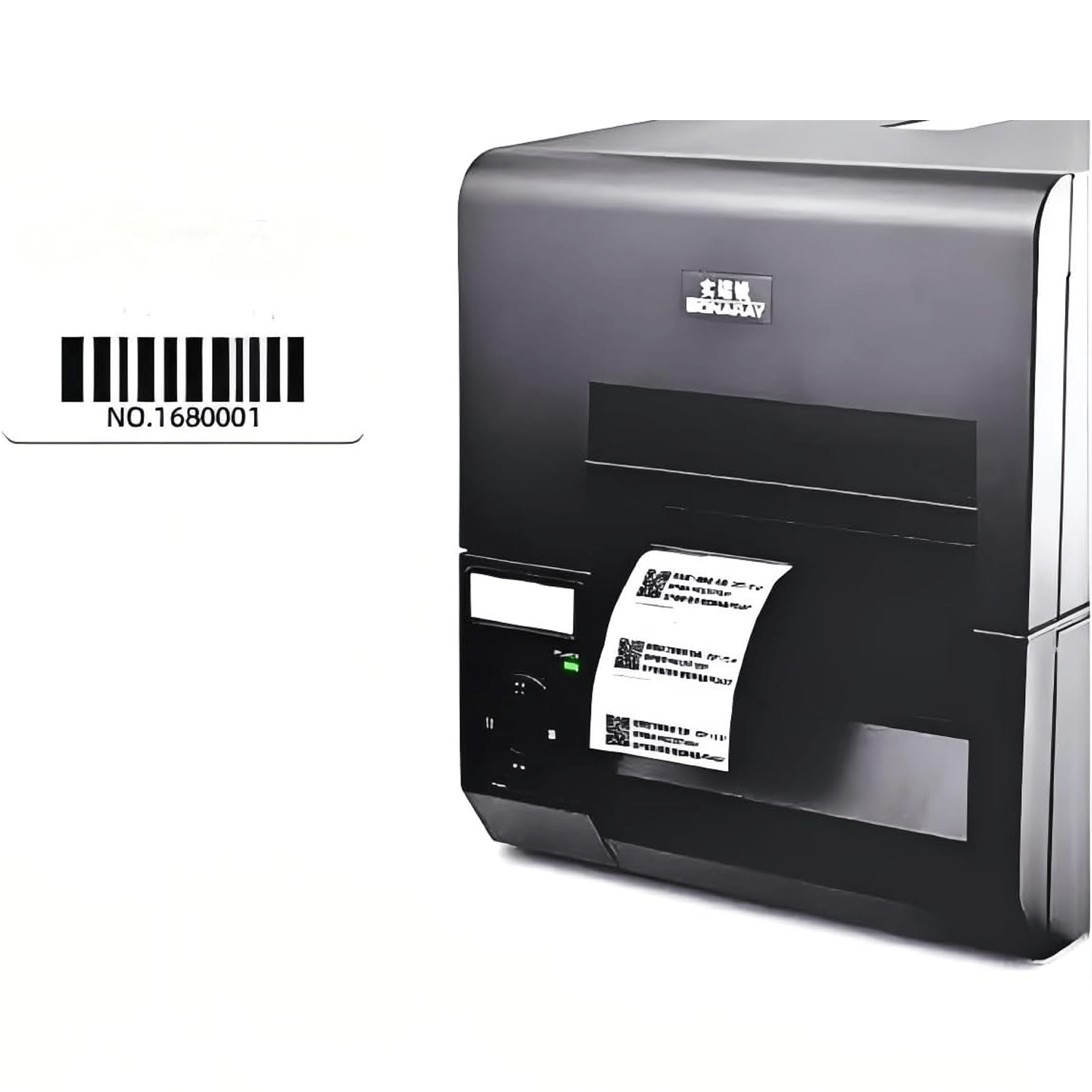
We recommend printing a barcode or human-readable item number when workers need a visual backup and encoding one unique EPC for the electronic record. Make both identifiers point to the same bottle or item record.
The EPC works best as a lookup key. Keep product descriptions, batch details, status, destination, and history in the database where your software can update them.
The GS1 EPC Tag Data Standard defines standardized EPC structures and the information carried on Gen2 RFID tags. Use a documented identifier structure that fits your system, whether you use a GS1 scheme or a controlled closed-loop format.
Verify every EPC after encoding. Also scan the printed barcode and confirm that both paths open the correct record before the label reaches the production line.
What Environmental Conditions Should the Finished Label Handle?
We recommend qualifying the complete bottle label for every condition it will meet during production, storage, and transport. Check moisture, condensation, abrasion, handling, temperature, cleaning exposure, and time on the bottle.
Look at both RFID performance and physical condition. A tag may still read while the adhesive begins to lift, or it may stay attached while the print rubs away.
Current TAGTIX records do not confirm food-contact compliance, washdown resistance, cleaning-chemical resistance, or cold-chain performance for 9662, 5030F, M30, or J41. Share those requirements before choosing a finished label construction.
A Practical PET Bottle RFID Pilot Plan
We recommend comparing representative body and cap positions on real filled bottles, then adding production difficulty one stage at a time. This makes it easier to see which change caused a missed or unwanted read.
- Define what one RFID record represents and when the system should capture it.
- Choose representative bottles, liquid, fill levels, caps, cases, and pallet patterns.
- Compare 9662 and 5030F on suitable body-label areas.
- Compare M30 or J41 on the cap when the project has strict body-label limits.
- Encode a unique EPC and verify it against the database.
- Establish a flat-label baseline, then compare empty and filled bottles.
- Rotate each bottle through the reader field and record strong and weak directions.
- Move from stationary reads to slow conveyor movement and then normal line speed.
- Pack bottles into normal cases or pallets and repeat the intended warehouse reads.
- Inspect attachment and print quality, then repeat the full workflow with normal staff.
Set the pass rules before the pilot. Every intended EPC should match the correct record, unwanted reads should stay controlled, and the label should remain attached and readable through the required process.
Choose UHF RFID Labels for Your PET Bottle Tracking Setup
You do not need to guess between a printable body label and a smaller cap tag. Tell us about the bottle size, liquid, label area, cap, conveyor or warehouse read point, and any printing or encoding you need.
Apply for Free UHF PET Bottle Label Samples
We can help you compare 9662 and 5030F on the bottle body, plus M30 or J41 on the cap when space is limited. If you want a barcode, UPC, logo, item number, or EPC prepared on the printable samples, include it in your request.
The UHF tag samples are free. You only cover shipping.