
UHF RFID Tags for Electronics & Industrial Manufacturing

UHF RFID tags help you identify electronic parts, metal tools and reusable production containers during inventory checks and production handoffs. Choose a tag that fits the mounting surface, available space and handling conditions, then connect its identifier to the item or container record in your system.
Which UHF RFID Tags Fit Your Parts And Production Equipment?

Small Parts, Limited Label Space
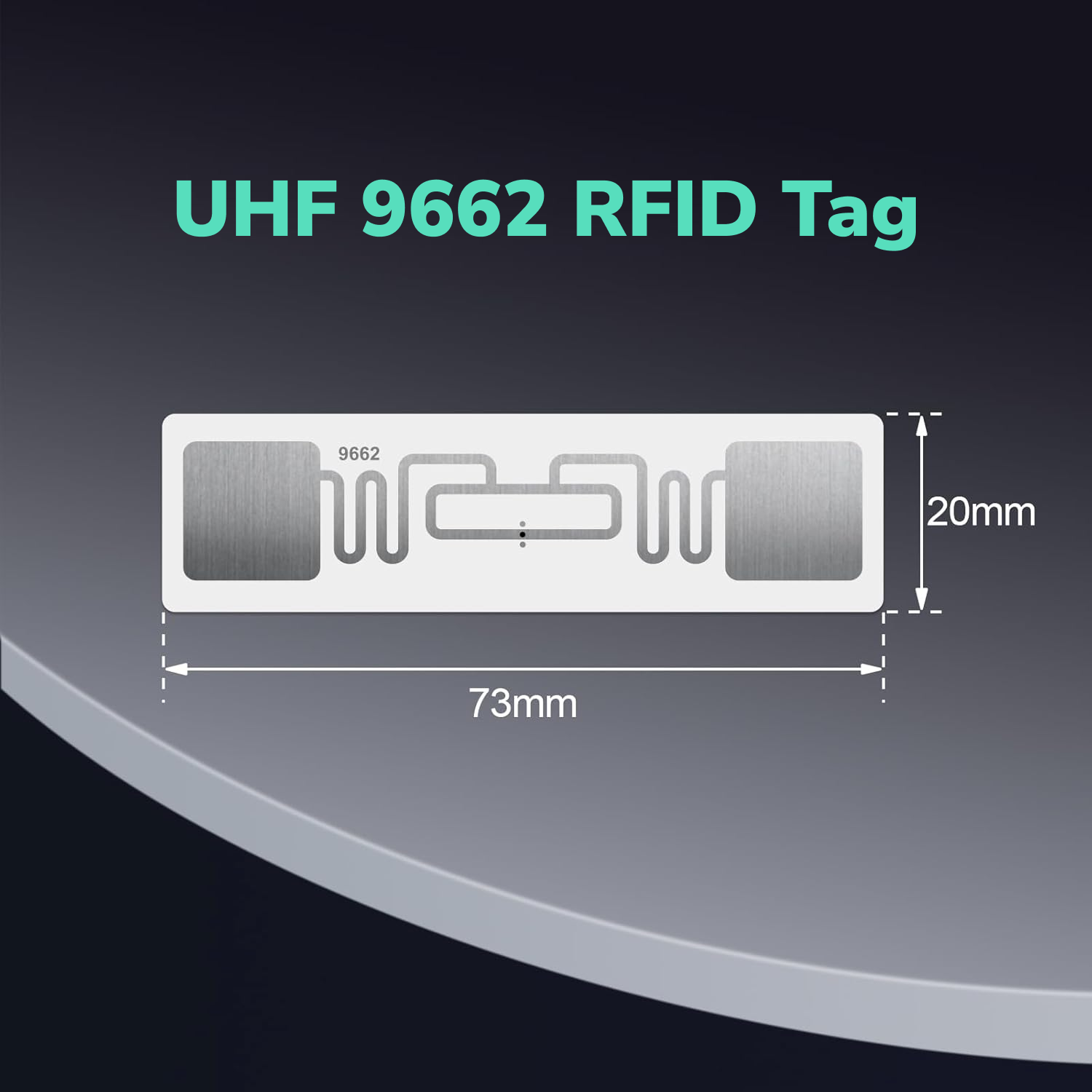
9662 Long Range UHF RFID Sticker ISO18000 - 6C EPC Class1 Gen2 Self - Adhesive Printable Inlay Asset Tag TagtixRFID
Metal Tooling & Equipment
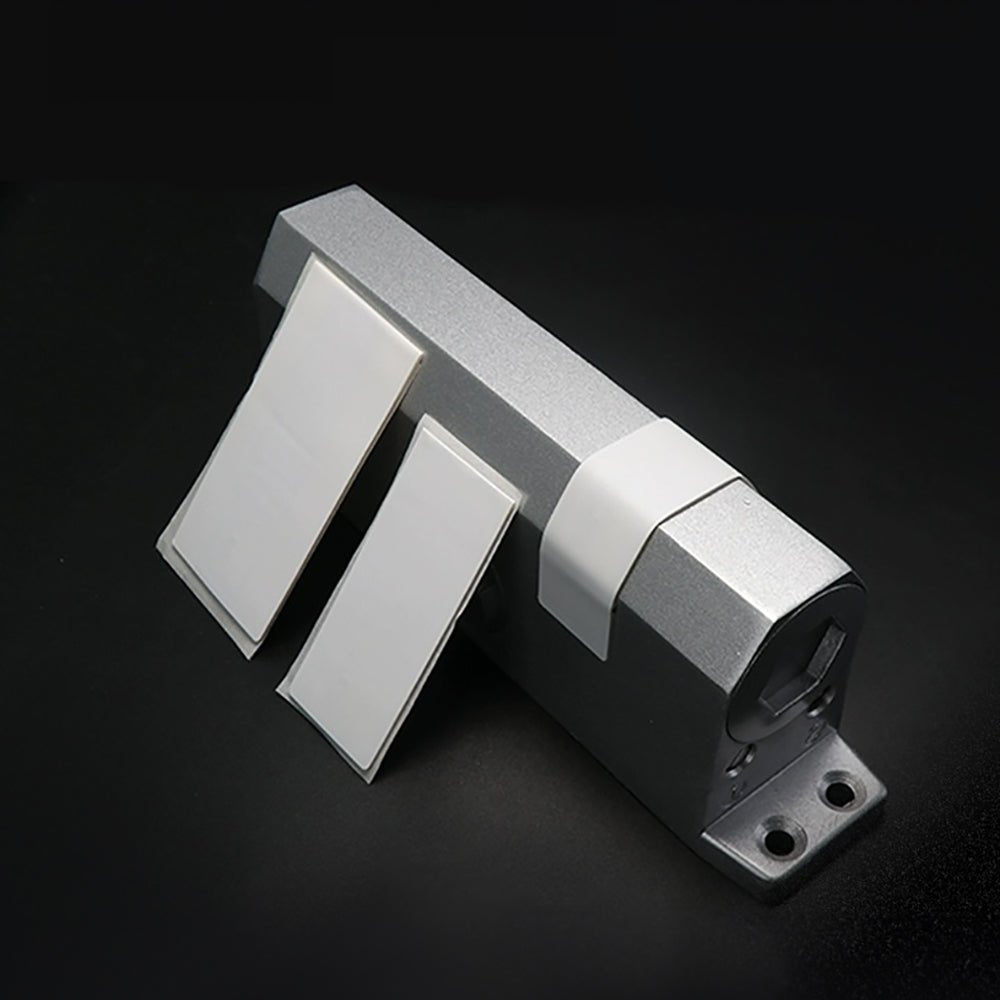
RFID UHF On Metal Asset Tags Sticker PET Meterial Waterproof 3M Adhesive TagtixRFID
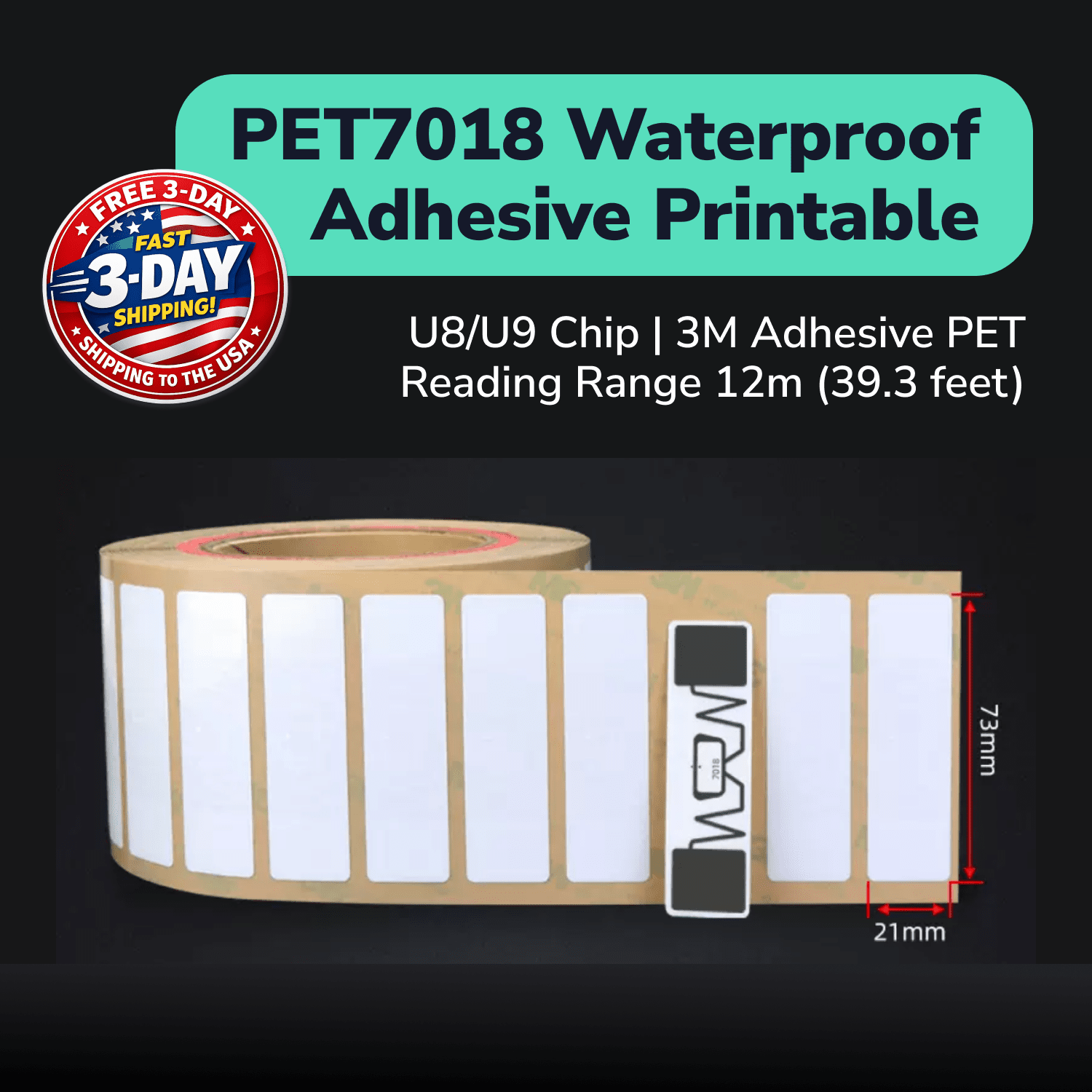
Containers Exposed To Moisture
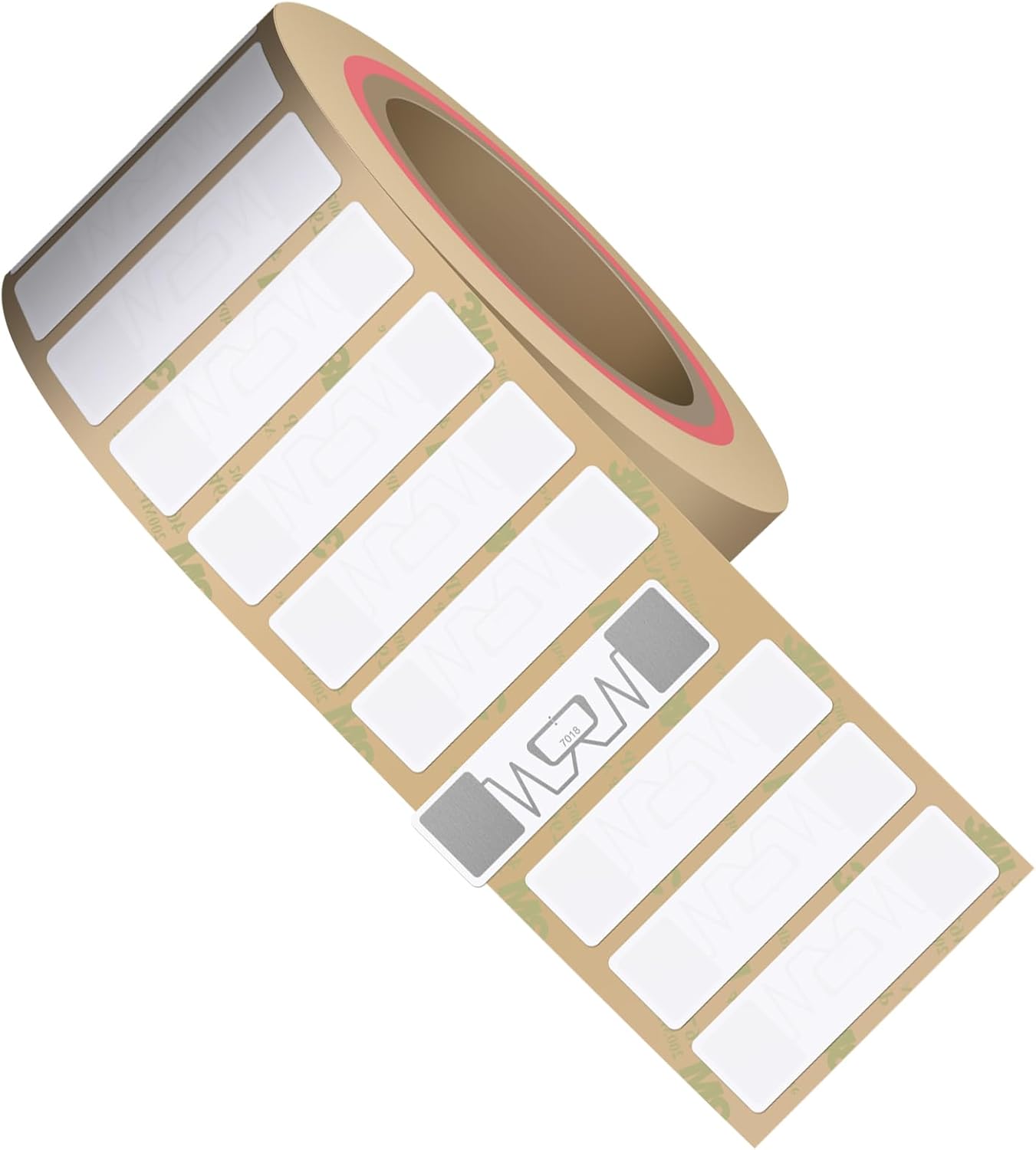
PET7018 Material Waterproof Printable Long Range UHF Label TagtixRFID

What Are You Looking To Track?

Small Electronic Parts And Assemblies

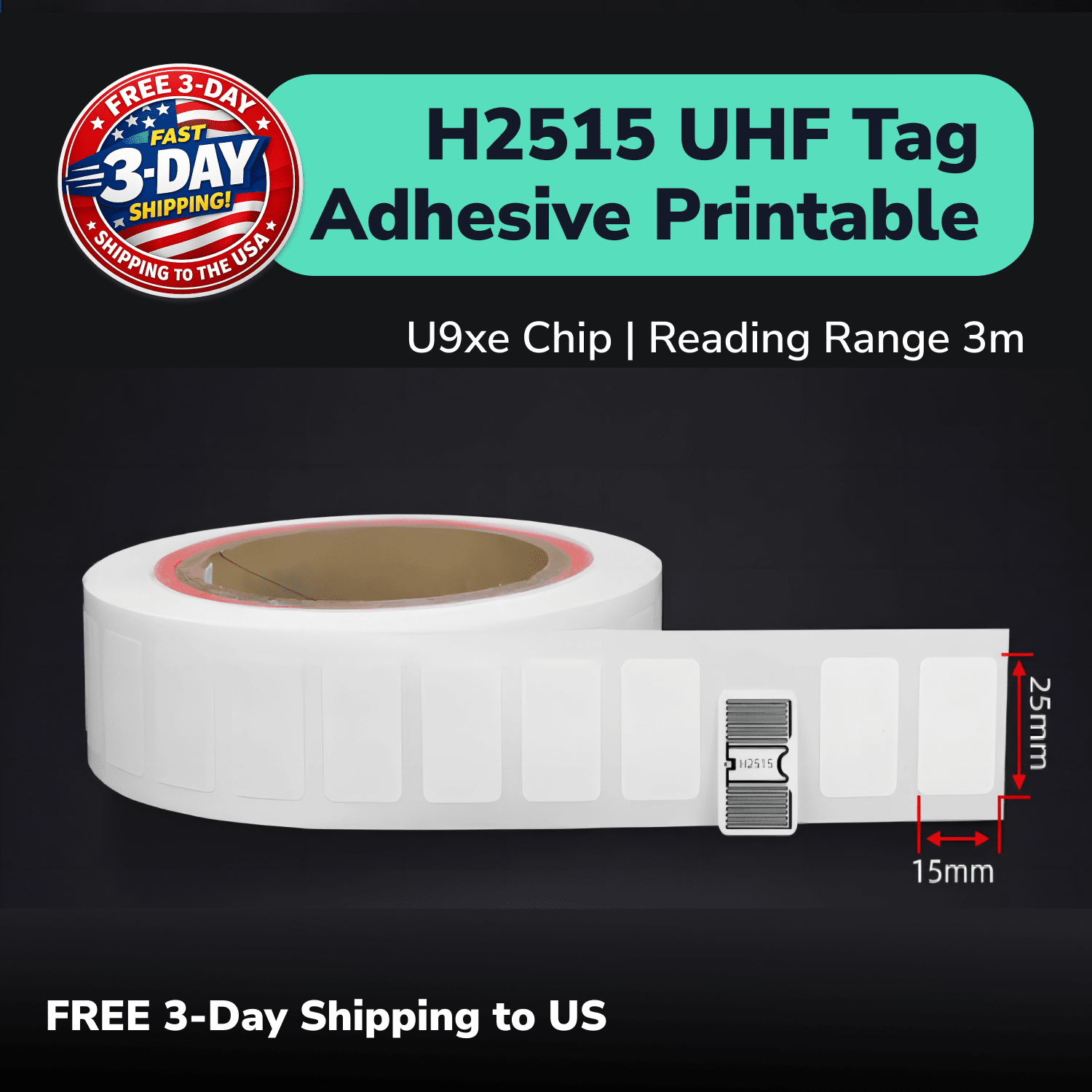
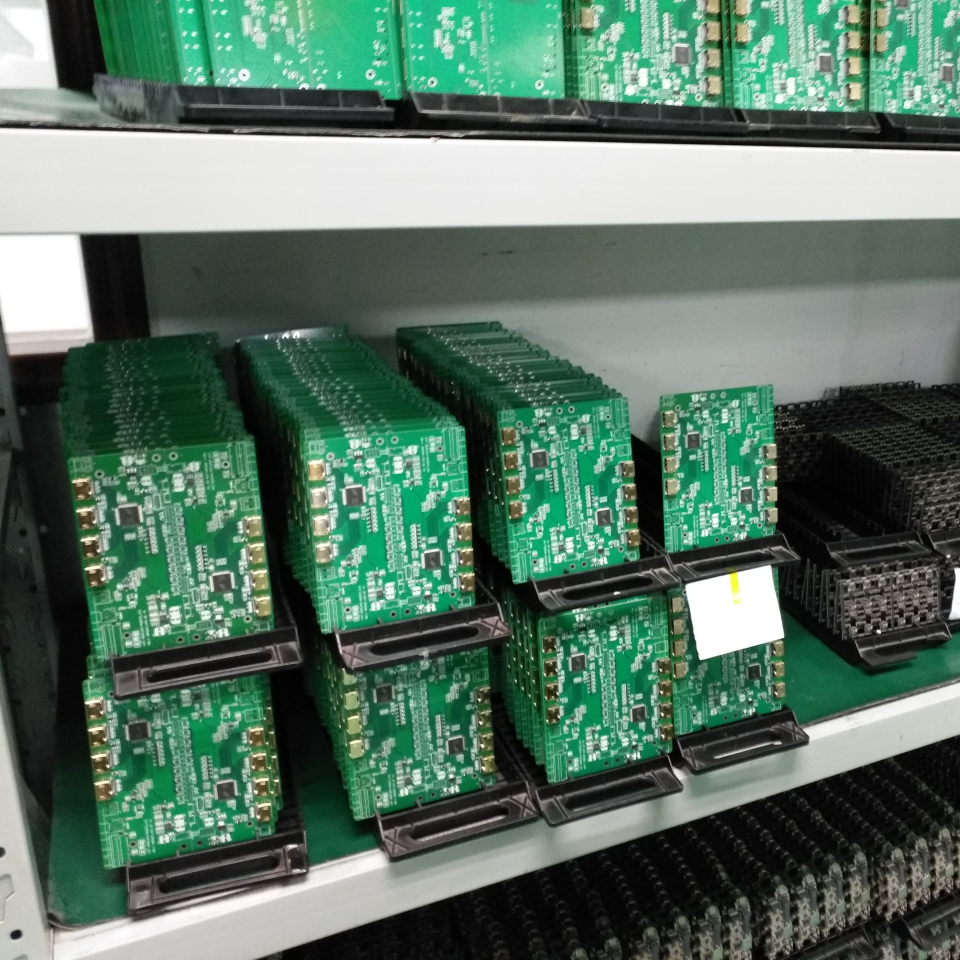
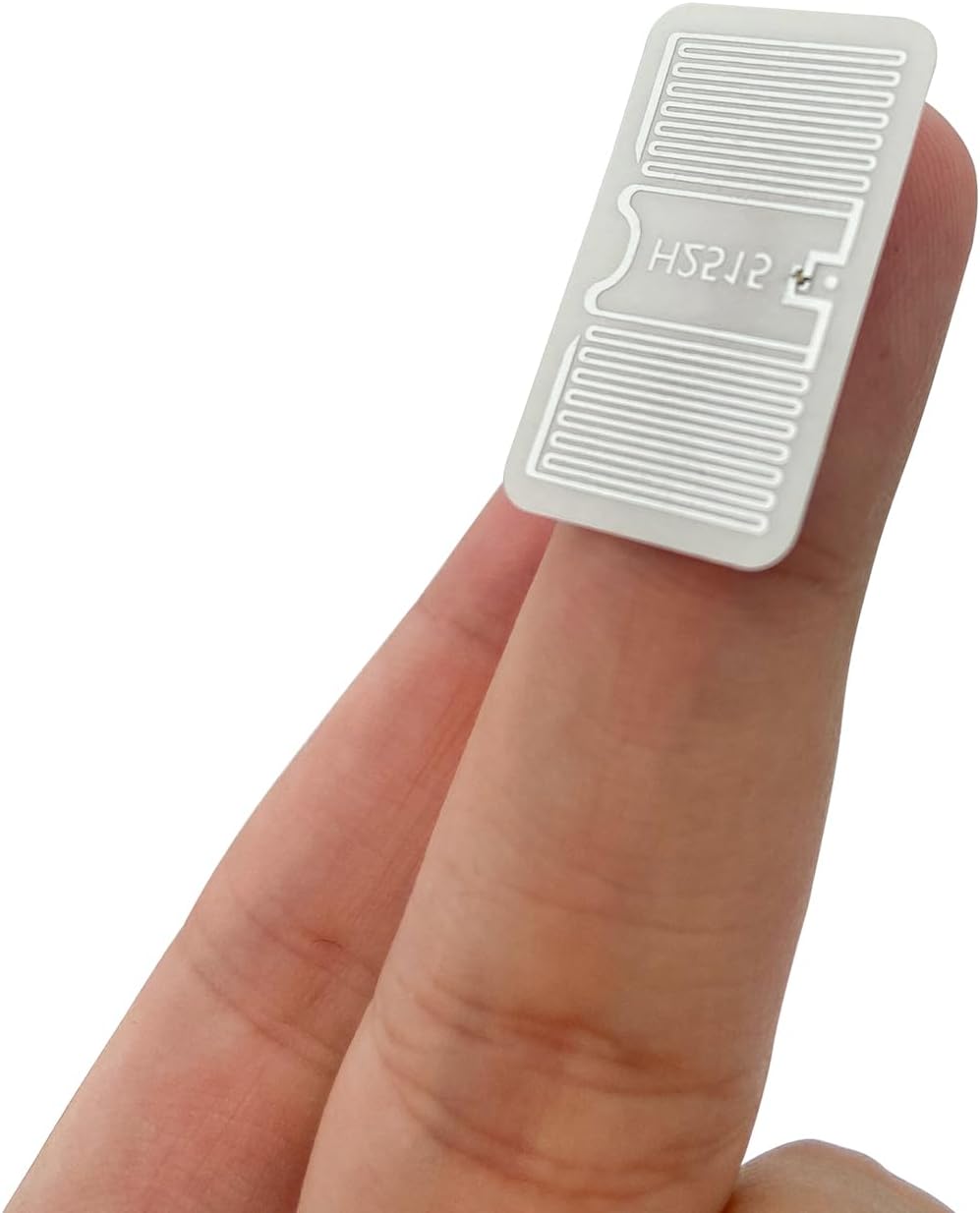
If your component housing or packaging has little label space, start with H2515. Choose a suitable non-metal area clear of contacts and moving parts. For boards that pass through soldering or reflow, tell us when you plan to attach the tag so we can help check the process requirements.

Use H2515

Metal Tooling And Equipment

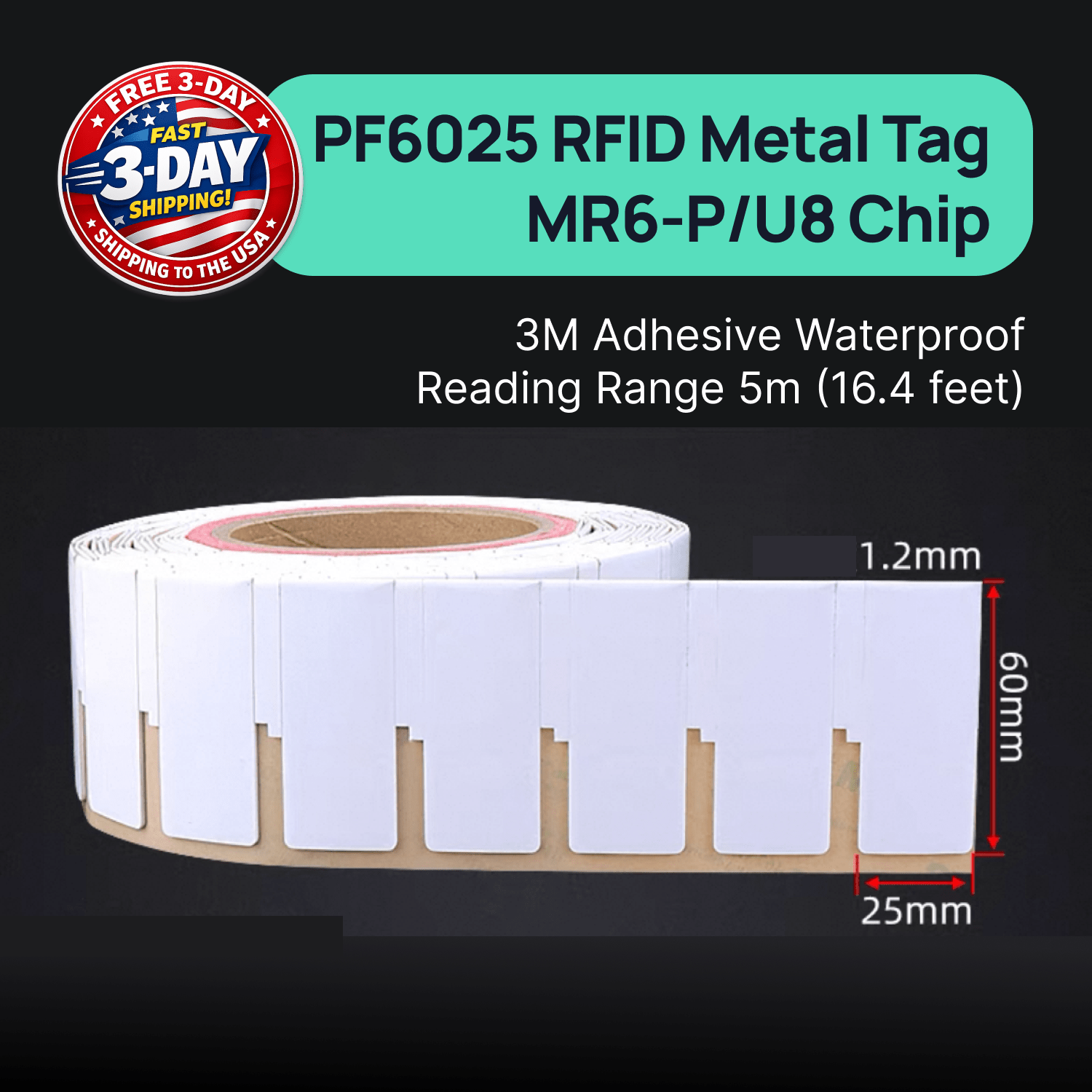
Use PF6025 when the label will sit directly on a metal tool, fixture or machine housing. Pick a protected position that stays accessible to your reader. If the surface gets hot or meets cutting fluids, share those conditions with us before choosing the tag.

Use PF6025

Parts Bins And Production Containers

Start with 9662 for dry indoor tracking on suitable non-metal bins or carriers. If the container gets wet, consider PET7018 and tell us about its cleaning cycle. Decide whether the tag identifies the container itself or the parts currently inside it.

Use 9662

How Do You Choose RFID Tags For Your Manufacturing Workflow?

Start with the record you need: one part, one batch or one reusable container. If the contents change, make sure your software updates the relationship between the container and its current parts.

Measure the label space and check the mounting surface. Choose an on-metal design for direct metal attachment. Tell us about heat, cleaning fluids, moisture and abrasion so we can narrow the options to your actual process.

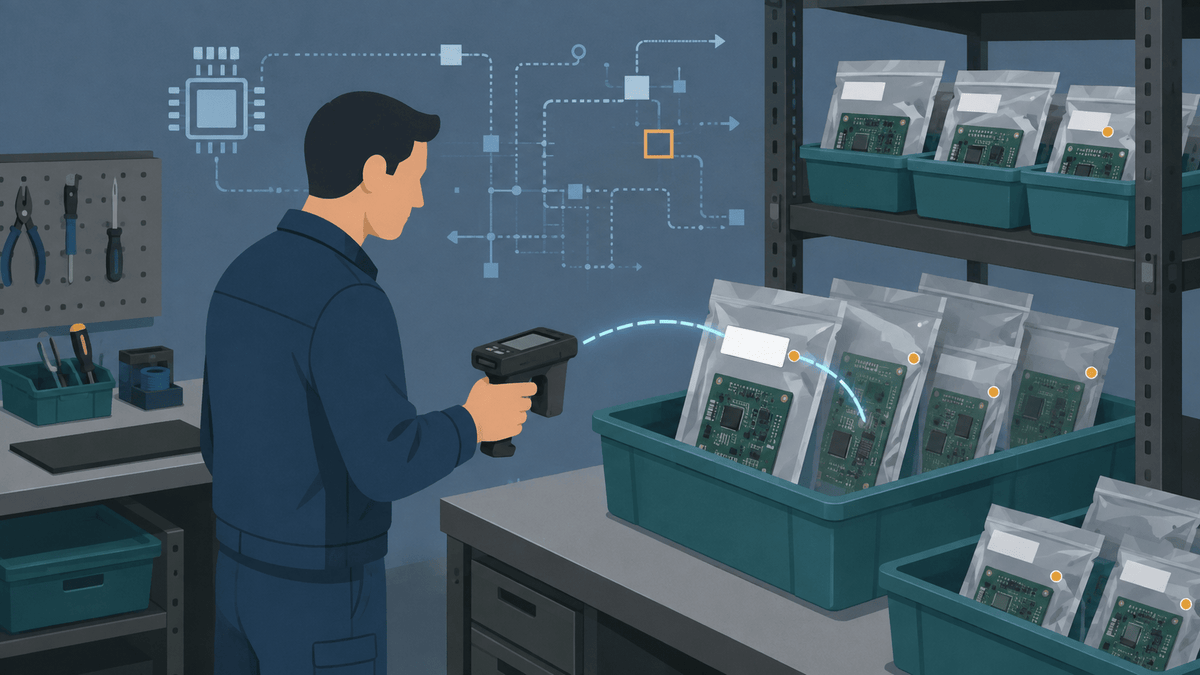
Plan the scan where it will happen: a handheld inventory check or a fixed reader at a production station. Reading distance depends on the reader and environment, including tag position and nearby equipment. Try representative loaded containers and finished assemblies.

If you need visible serial numbers, confirm the label and printer combination. Printing text and encoding the chip are separate steps. Check that both identifiers connect to the correct item record.

If you would like to test labels on your actual parts, tools or production containers, feel free to request a free UHF sample pack. Share the mounting surface, label space and working conditions. If you plan to print serial numbers or logos, include your printer model so we can help check compatibility.

See UHF RFID In Manufacturing Workflows

How to Track PCB Inventory in ESD Bags and on Metal Shelves with UHF RFID - TagtixRFID

ESD بیگز اور دھاتی شیلفوں پر UHF RFID کے ذریعے PCB انوینٹری کو ٹریک کرنے کا طریقہ

ESD بیگز، ٹبز اور دھاتی شیلفنگ میں PCB انوینٹری کے لیے UHF RFID ٹیگز کو پرنٹ ایبل، LED اور آن میٹل ٹیگ آپشنز استعمال کرتے ہوئے جانچنے کا طریقہ سیکھیں۔
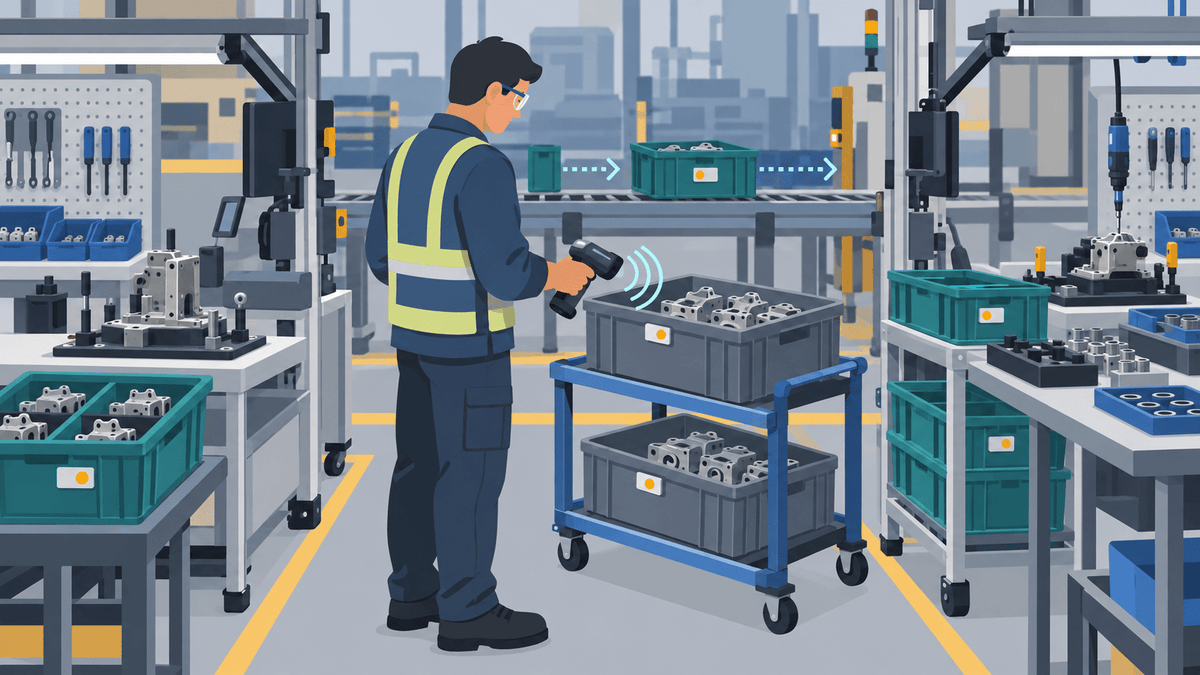
How to Track Work-in-Process Items and Production Containers with UHF RFID - TagtixRFID

How to Track Work-in-Process Items and Production Containers with UHF RFID

UHF RFID helps manufacturing teams track work-in-process items and reusable containers by giving each moving unit a unique identity and recording that identity at defined production events. This gu...
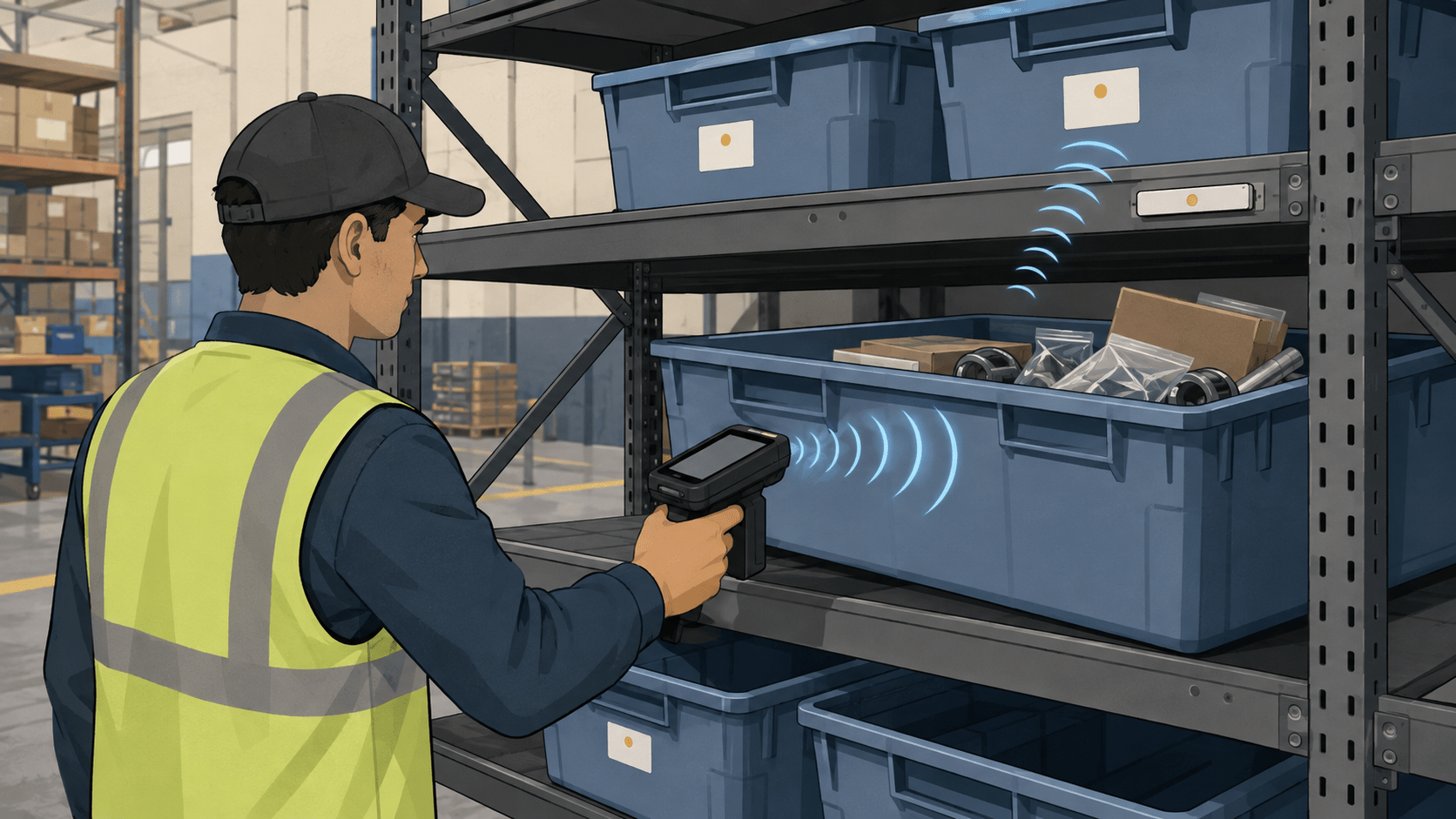
How to Track Inventory in Totes Near Metal Racks with UHF RFID - TagtixRFID

How to Track Inventory in Totes Near Metal Racks with UHF RFID

Learn how to choose, place, encode, and qualify UHF RFID tags for tote inventory, grouped items, metal racks, and an optional heat step.