


Cartons And Packaged Goods
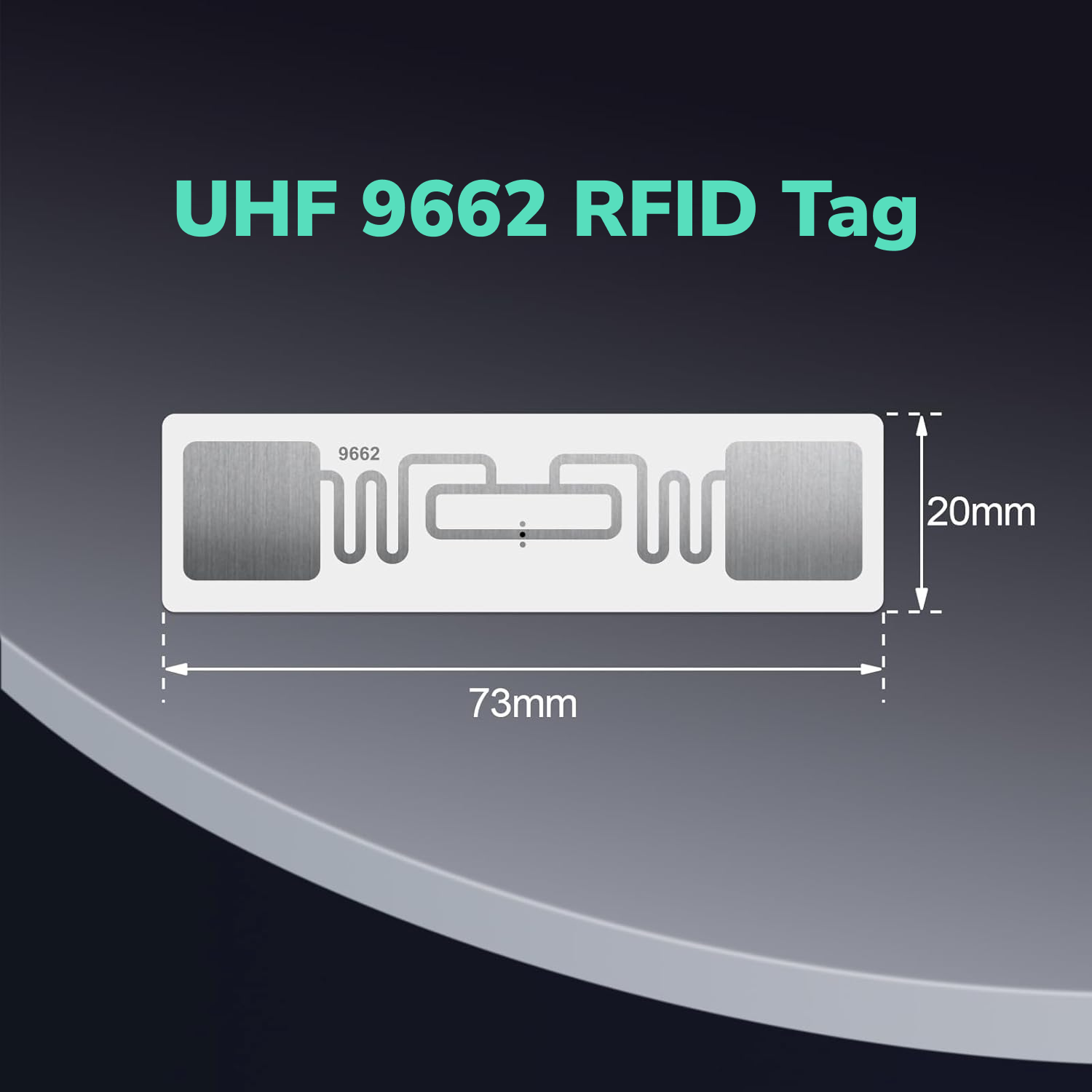
Use 9662

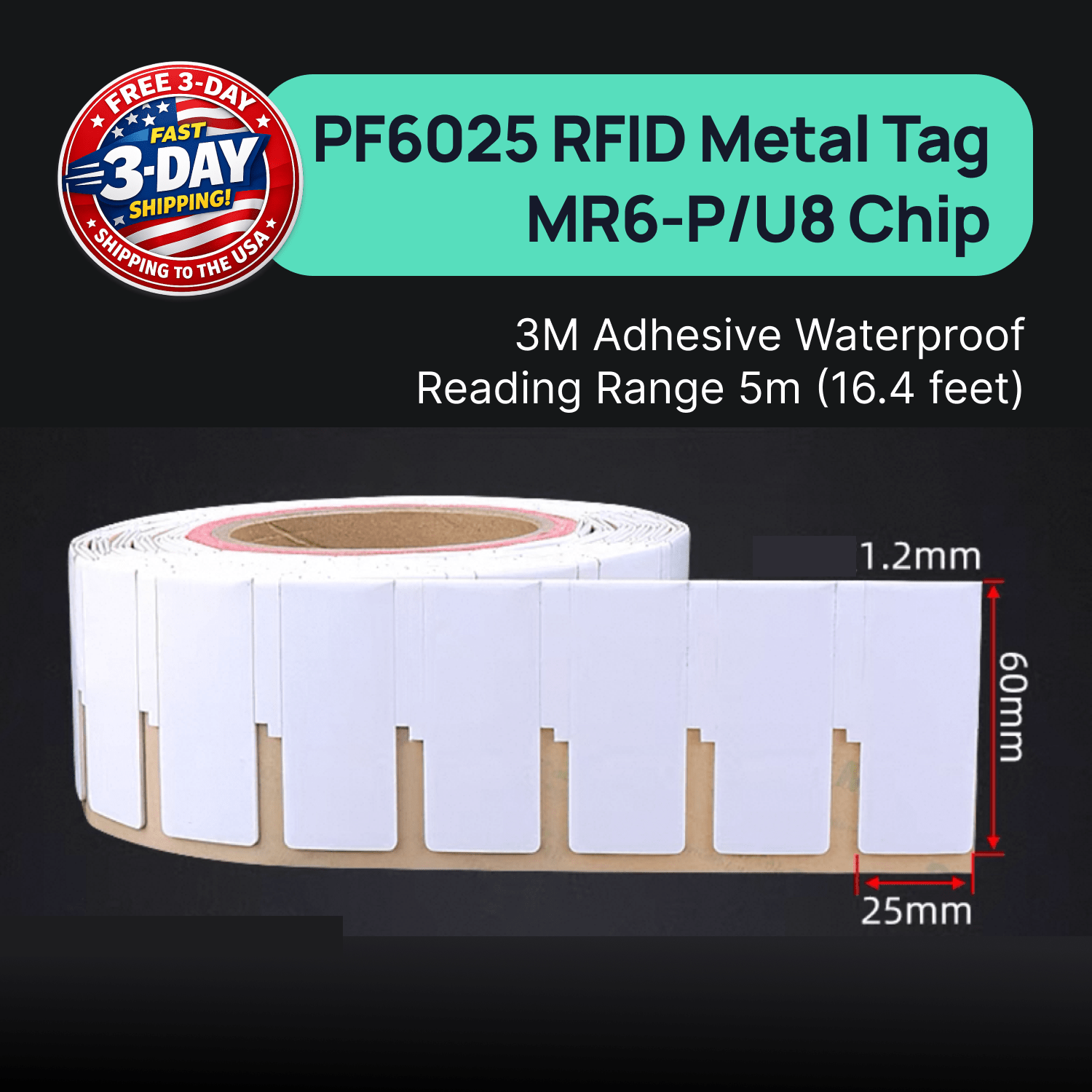
UHF-RFID-Etiketten helfen Logistikteams, Kartons, Mehrwegbehälter und metallische Transportgüter bei Wareneingang, Inventur und Versandkontrollpunkten zu identifizieren. Wählen Sie das Etikett passend zur Oberfläche und den Handhabungsbedingungen und legen Sie dann fest, wie seine Kennung mit Versand- oder Anlagenaufzeichnungen über Ihre Standorte und Partner hinweg verbunden wird.


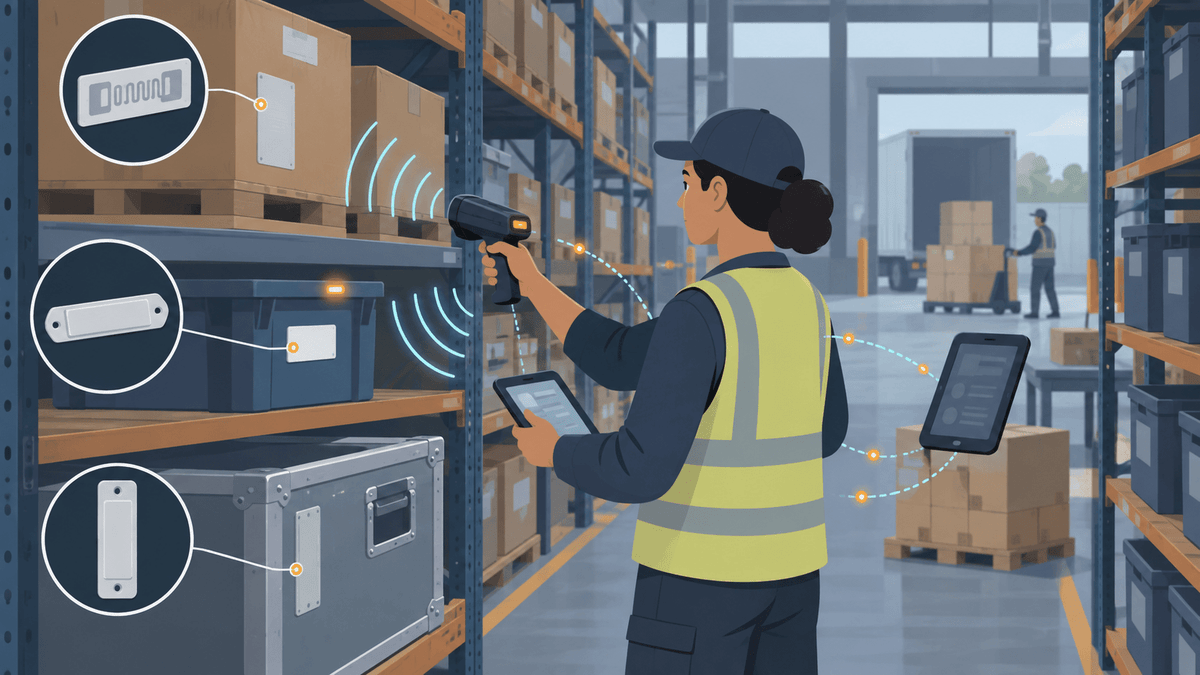
Wie man UHF RFID-Tags für Lagerbestand und Distribution verwendet
Vergleichen Sie UHF-RFID-Tags und Workflows für Kartons, Trageboxen, Lagerbehälter, Paletten, Metallassets, Zykluszählungen, Wareneingang, Artikelsuche und Datenbankabgleich.
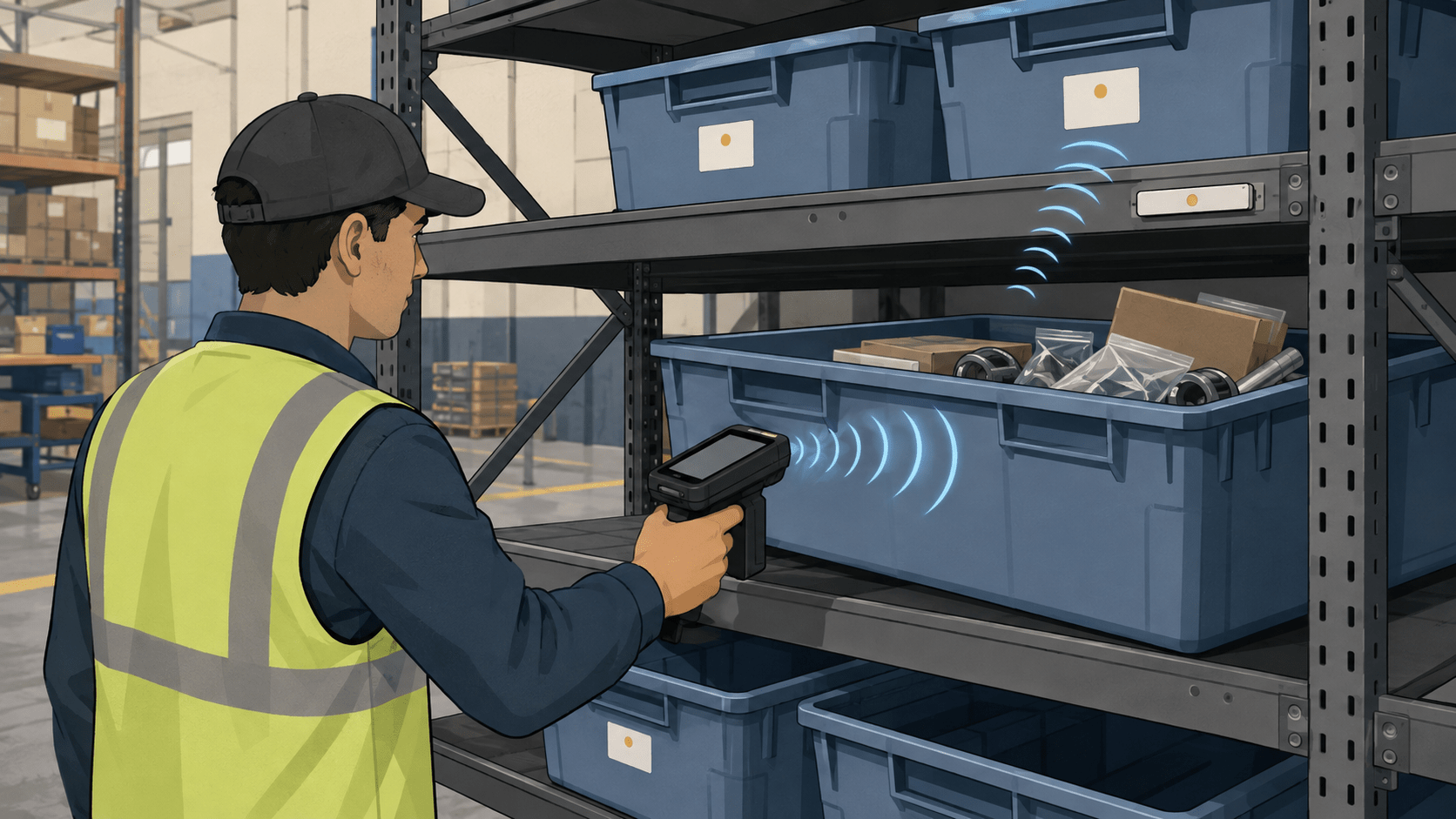
So verfolgen Sie den Bestand in Behältern in der Nähe von Metallregalen mit UHF RFID
Erfahren Sie, wie Sie UHF-RFID-Tags für die Inventur in Behältern, für gruppierte Artikel, Metallregale und einen optionalen Hitzeschritt auswählen, platzieren, kodieren und qualifizieren.

Wie man Bestand in Lagerbehältern mit LED UHF RFID-Tags findet
Erstellen Sie einen Workflow zum Auffinden eines einzelnen Fachs mit einem LED-UHF-RFID-Tag, eindeutigen EPC-Datensätzen, kontrollierten Lesezonen und echter Lagerqualifizierung.
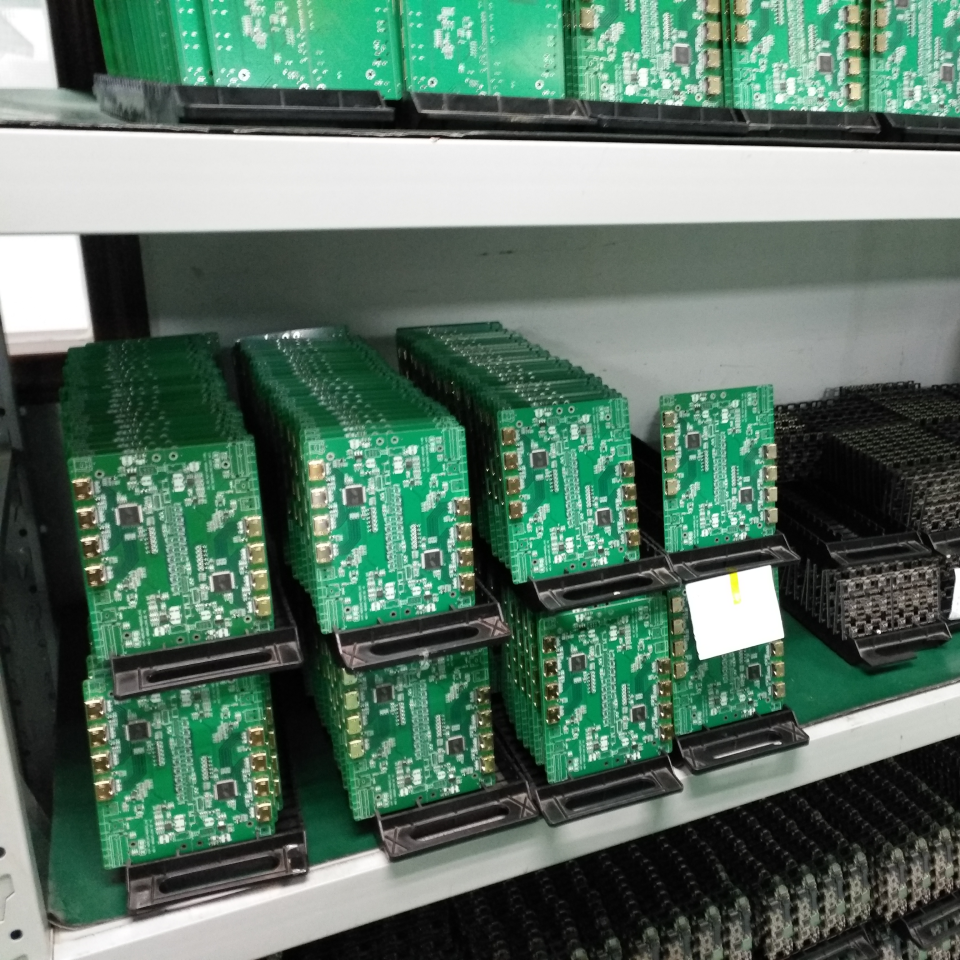
Großhandelsangebot 30% Rabatt
Sind Sie Händler oder Wiederverkäufer? Beschaffung für ein B2B-Projekt? Profitieren Sie von bis zu 30 % Rabatt bei Großbestellungen. Kontaktieren Sie uns für ein individuelles Angebot.
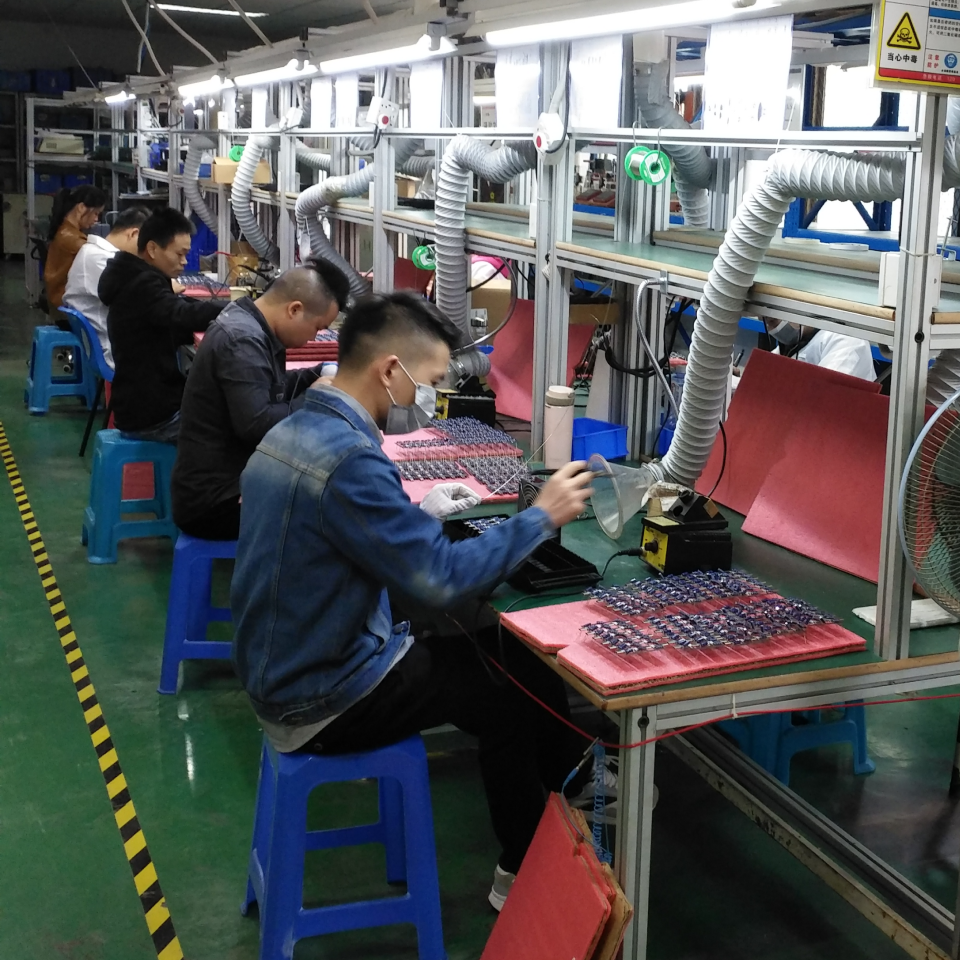
Keine Mindestbestellmenge erforderlich
Unsere erfahrenen Ingenieure können die RFID-Module individuell entwickeln, um sie in Ihre Systeme zu integrieren. Hardware-Konfiguration, Verkabelungsanpassungen, USB- oder Seriellanschluss usw. – maßgeschneidert auf Ihre Lösung.
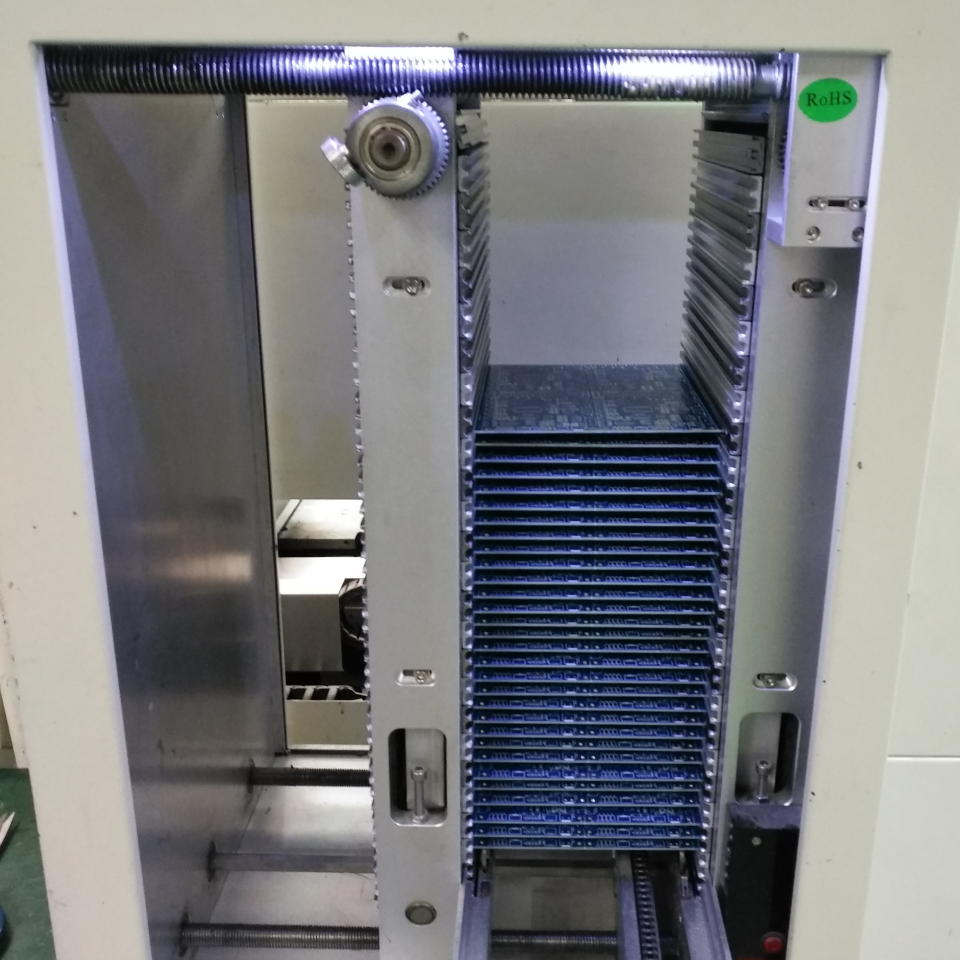
Wir übernehmen die Entwicklungskosten
Wenn Bestellungen einen bestimmten Betrag erreichen. Beginnen Sie mit einer Testprobe und setzen Sie die endgültigen Produkte mit technischer Unterstützung unserer Ingenieure ein. Egal, wie viele Sie benötigen, wir sind hier, um zu helfen. Wir schätzen das Vertrauen jedes Kunden.


