

Sporing af hundrede små dronekomponenter under samling og opbevaring
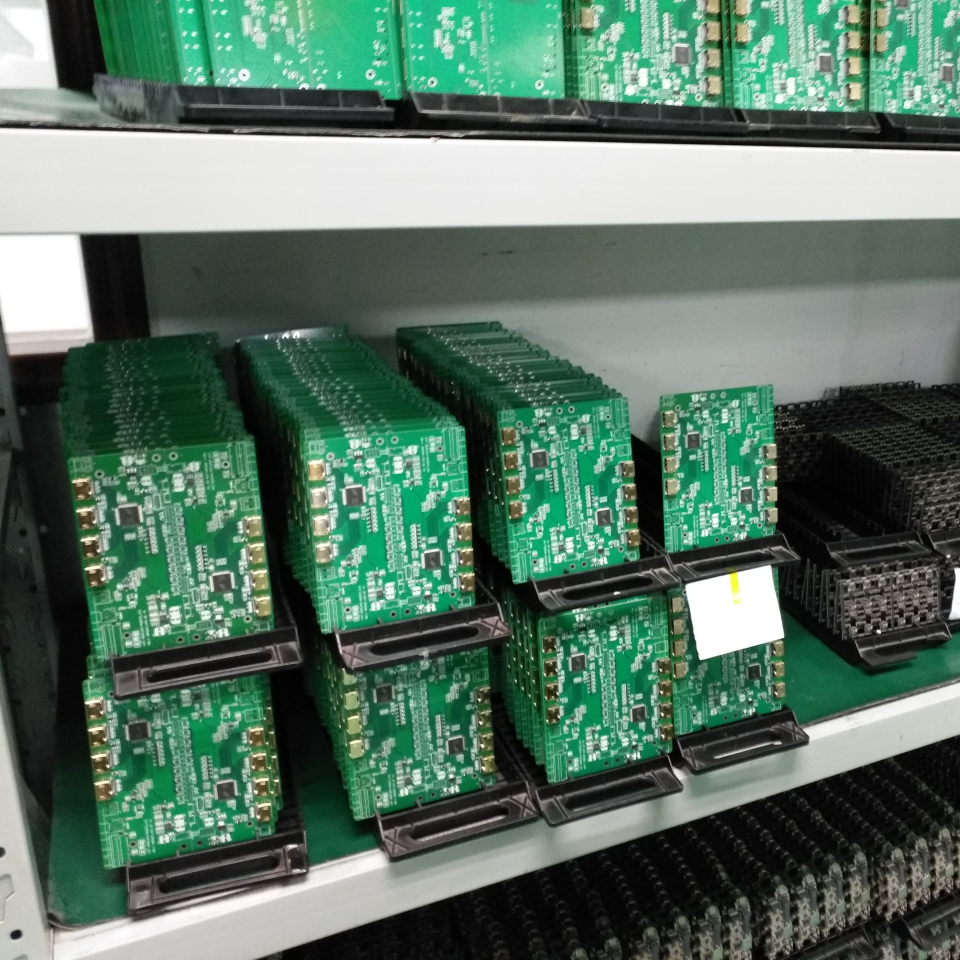
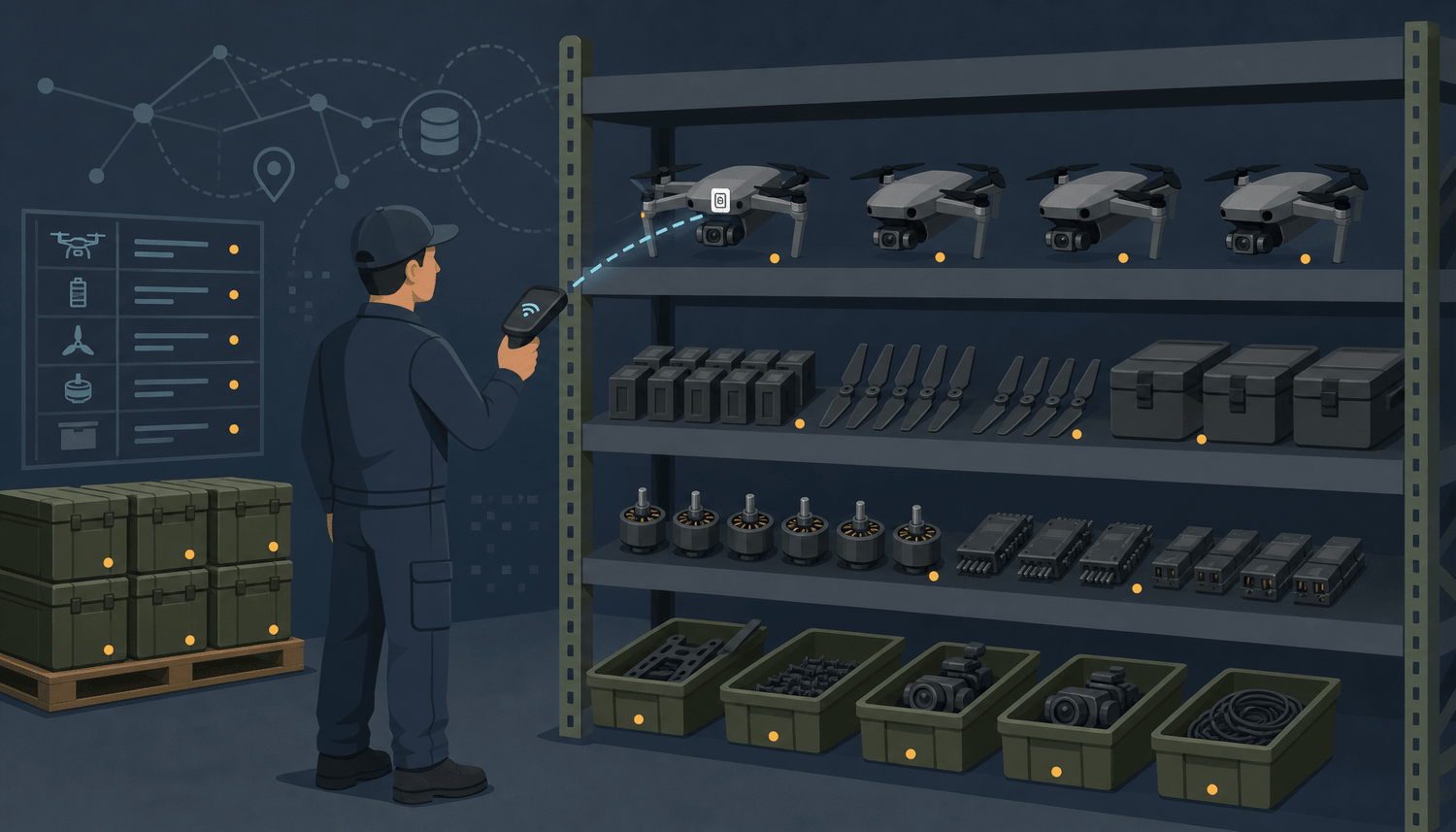
Robotte- og dronevirksomheder står over for en unik lagerudfordring: håndtering af hundreder af små, værdifulde komponenter, der bevæger sig hurtigt mellem samlingsstationer, testområder og opbevaringssteder. Deler som propeller, flycontroller, sensormoduler, batteripakker og chassisrammer er lette at miste i et travlt produktionsmiljø, hvor alt ligner hinanden, og beholdere er overfyldte med hardware.
Traditionel stregkodescanning kræver direkte synslinje til hver enkelt komponent, hvilket er urealistisk, når dele er stablet i beholdere, pakket i kasser eller monteret inde i delvist samlede droner. Manuel registrering er langsom og fejlbehæftet, især under høje produktionsvolumener. Her giver UHF RFID-teknologi en væsentlig fordel.
Udfordringen: Små dele, højt volumen, ingen synslinje
For robotfremstillere inkluderer de vigtigste sporingsudfordringer:
- Komponentstørrelse: Mange dronekomponenter er mindre end 20 mm, hvilket gør det upraktisk at anvende eller scanne stregkoder pålideligt.
- Volumen: En enkelt droneproduktion kan involvere 50 til 200 individuelle komponenter, der skal spores.
- Begrænsninger i synslinje: Deler opbevaret i beholdere, kasser eller inde i samlinger kan ikke scannes uden fysisk håndtering.
- Forskellige overflader: De fleste dronekomponenter er lavet af plastik, kulfiber eller kompositmaterialer med buede eller ujævne former.
- Læserækkeviddekrav: Scanning skal dække hele hyllesystemer eller arbejdsstationer på afstand, ikke enkeltdele ad gangen.
Løsningen: Ultra-små UHF RFID-tags med selvklæbende bagside
Hvilket RFID-tag fungerer bedst til dronekomponenter
To TAGTIX UHF RFID-tags anbefales afhængigt af komponentstørrelse og overfladetypen:
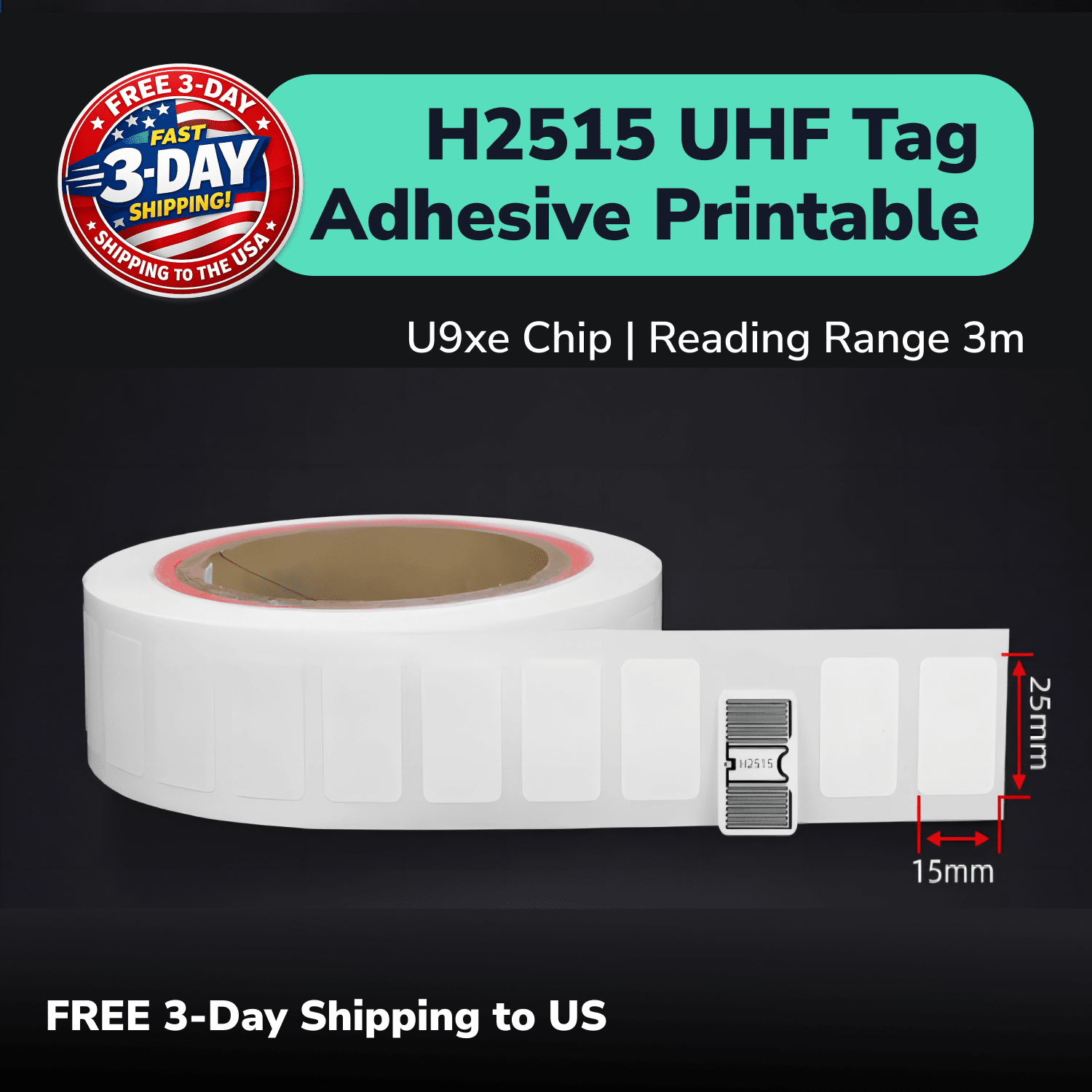
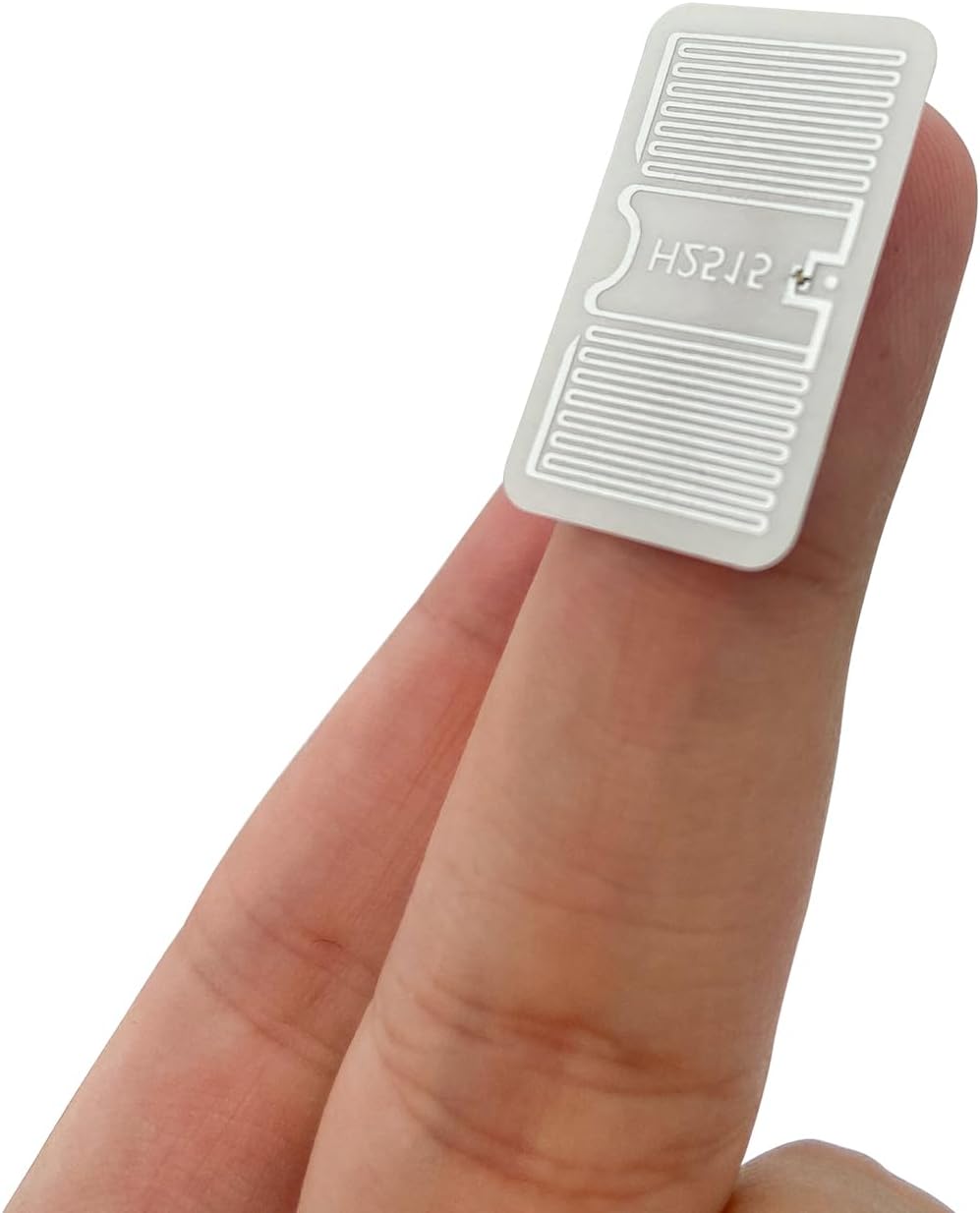
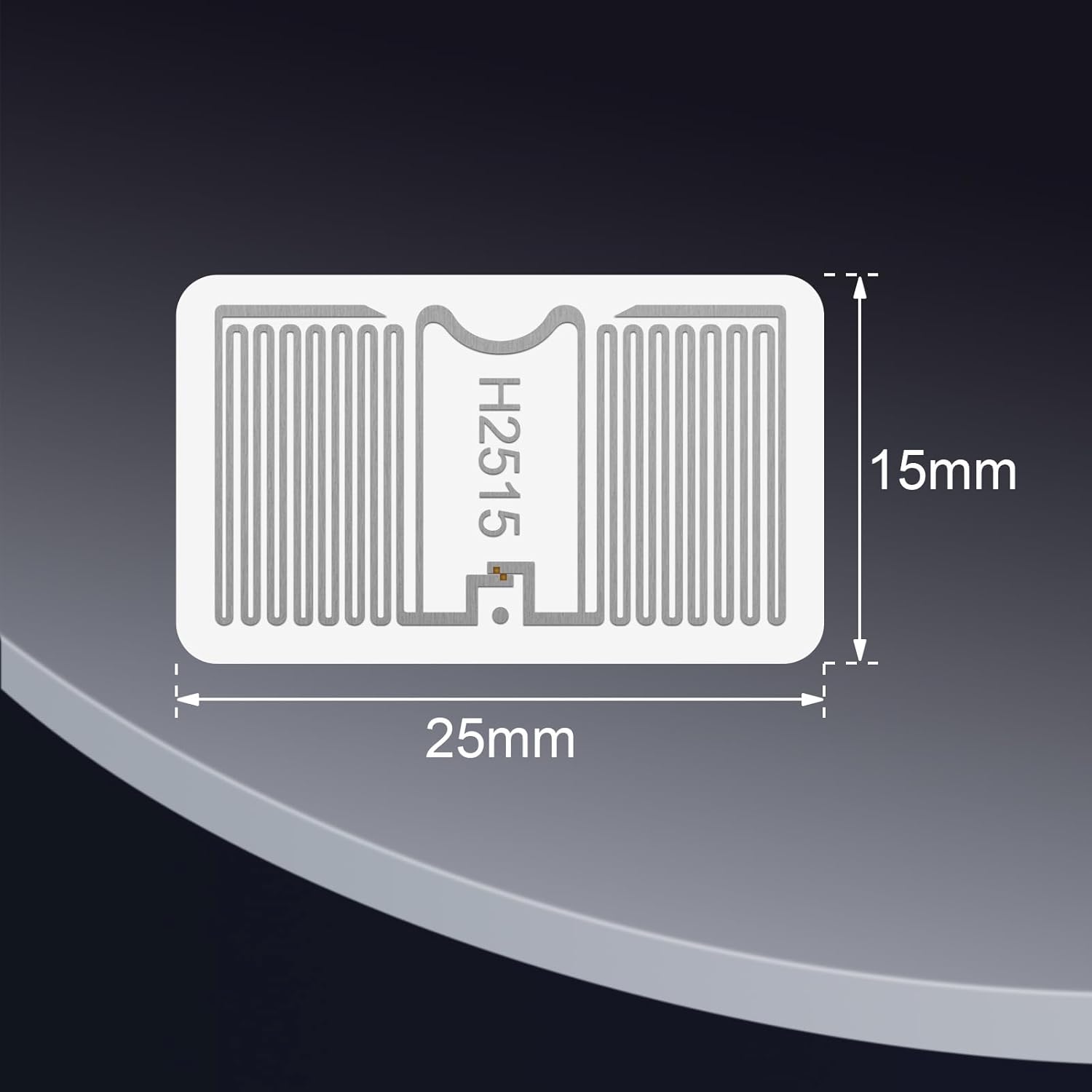
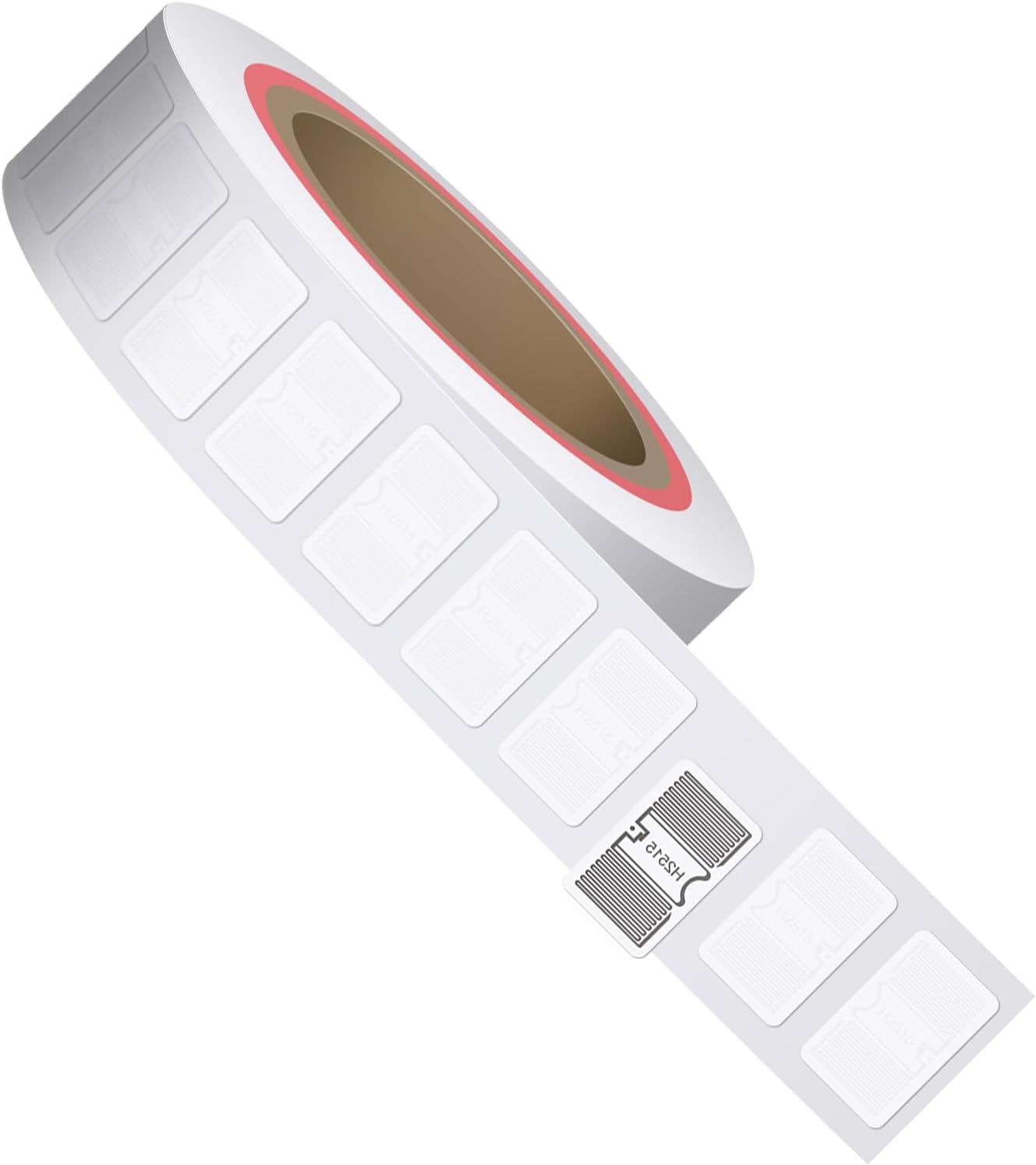
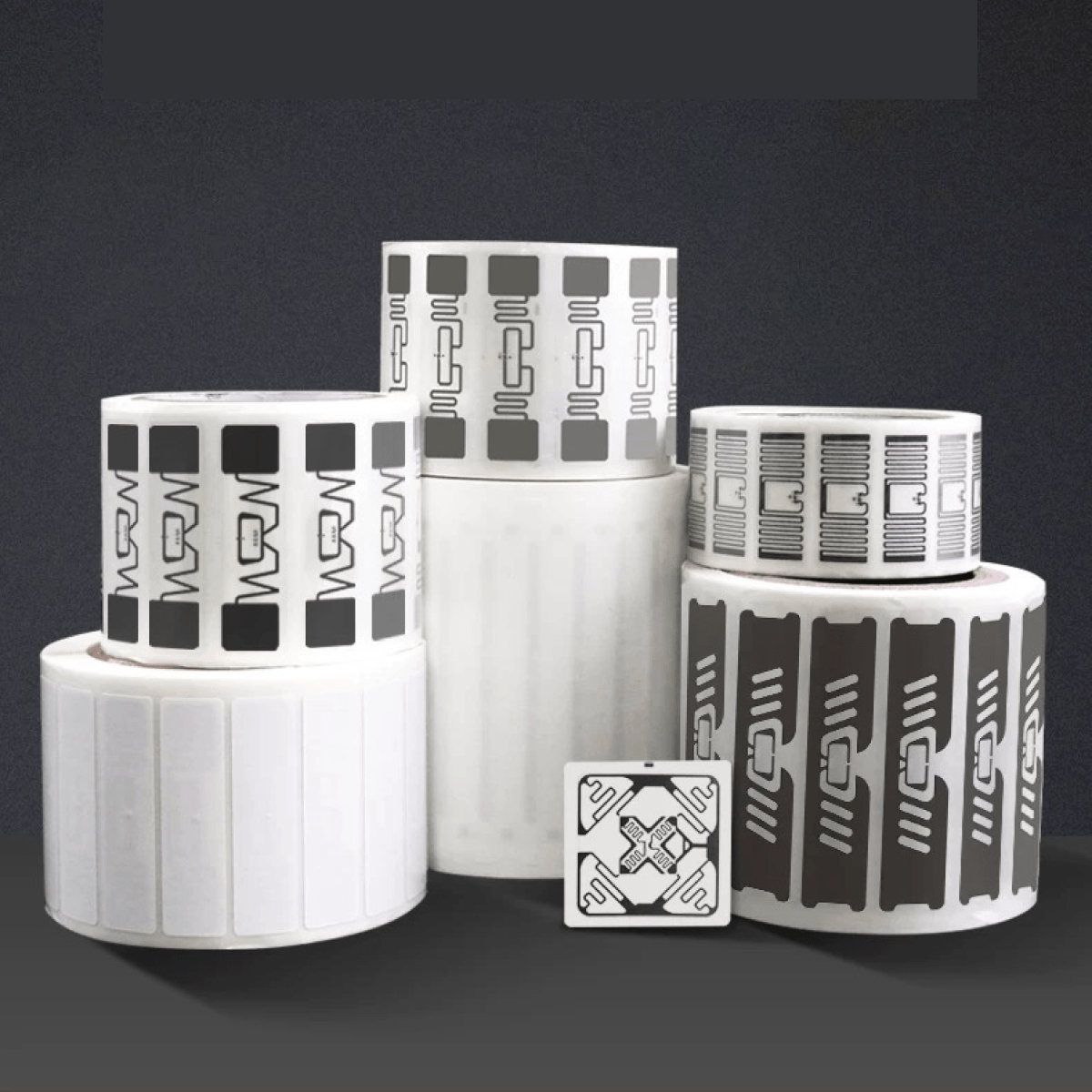
Ultra Small UHF RFID-etiketklistermærke er specielt designet til meget små genstande som laboratorieprøver, kredsløbsplader og miniaturekomponenter. Dets minimale formfaktor passer på dele så små som rørpropper og golfbolde, med fleksibel selvklæbende bagside, der tilpasser sig buede overflader.
9662 Langdistance UHF RFID-etiketklistermærke er den robuste løsning til standardstørrelse komponenter som batteripakker, motorhuse og rammedele. Med 86 mm x 24 mm og en læserækkevidde på 12 meter dækker den større dele og muliggør bulk-scanning af hele hyllesystemer på afstand.
Hvordan etiketter påsættes drone- og robotdele
Påsætningsprocessen er enkel i produktionsmiljøer:
- Rens overfladen med isopropylalkohol til at fjerne olie og snavs for optimal klæbeevne.
- Fjern beskyttelsespapiret og fastgør sæt det selvklæbende etikette direkte på plast, komposit eller metaloverflader uden yderligere værktøj.
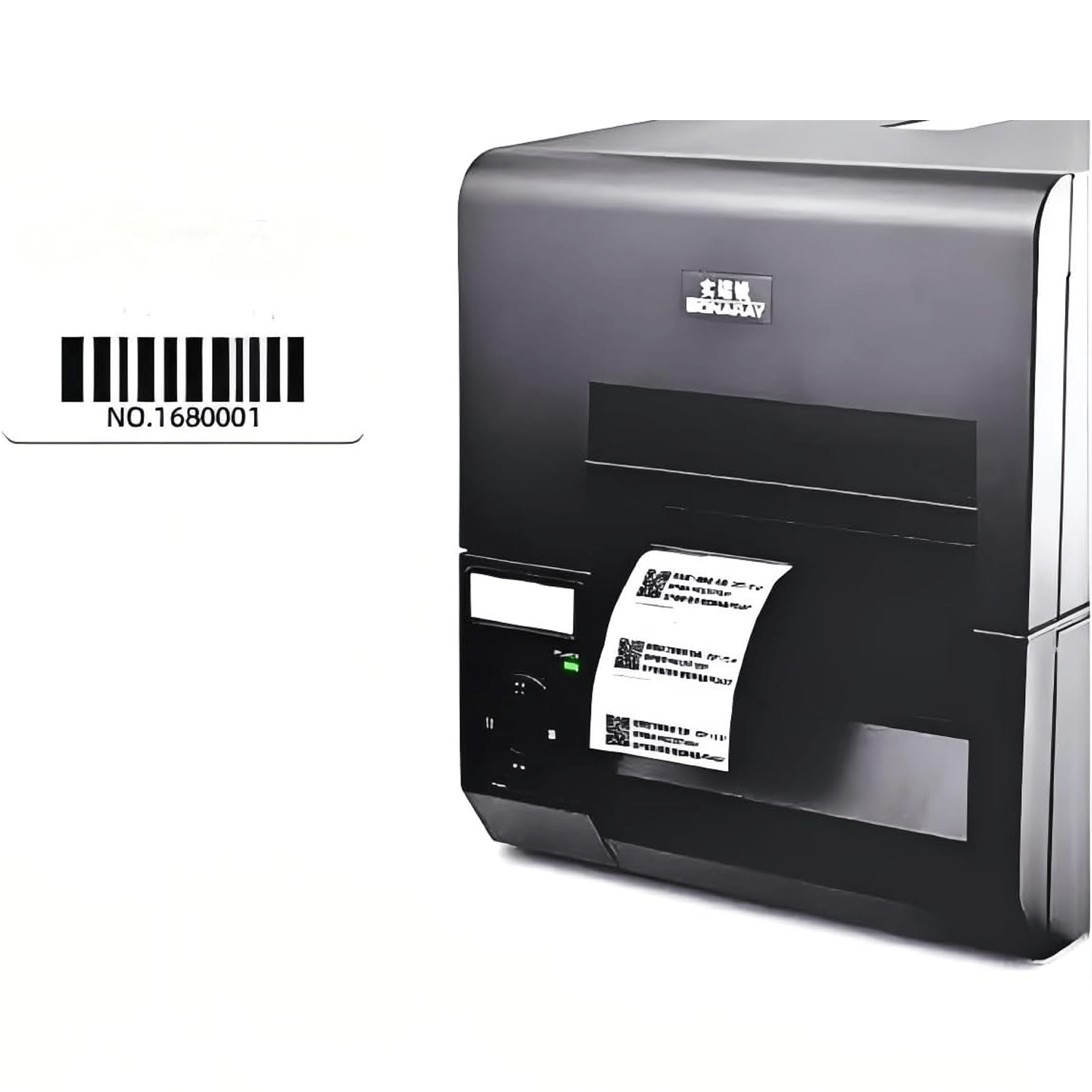
- Programmer etiketten med en unik EPC-kode ved brug af enhver kompatibel UHF-håndscanner eller fastlæser. Data kan låses efter skrivning for at forhindre manipulation.
- Registrer i lagerstyringssystemet ved at forbinde EPC-koden med komponentens registrering i lagerstyrings- eller ERP-systemet.
Læseropsætning og forventet læserækkevidde
En enkelt fast UHF-læser monteret over en arbejdsstation eller hyllesystem kan læse alle mærkede komponenter samtidigt inden for sit felt. Med 9662-etiketten er det muligt at scanne en hel hylde med dele op til 12 meter væk. For Ultra Small-etiketten er rækkevidden kortere, men stadig tilstrækkelig til arbejdsstationsniveau-scanning uden håndtering af individuelle dele.
Nøglefordele for robot- og droneproducenter
- Bulk-scanning uden syns- eller linje-til-syn — scan hele kasser eller hylder med komponenter på få sekunder.
- Minimal mærkatstørrelse — den ultrakompakte mærkat passer på komponenter så små som sensormoduler og stik uden at tilføje mærkbar bulk.
- Fleksibel klæbemiddel — kan binde til buede dronekroppe, cylindriske motorhuse og uregelmæssige kompositoverflader.
- ISO 18000-6C og EPC Gen 2 kompatibel — fungerer med alle standard UHF-læsere fra Impinj, Zebra, Alien og andre producenter.
- Skriv-én gang funktion — programmer unikke serienumre og lås hukommelsen for at forhindre uautoriseret kopiering.
- Ingen batterier nødvendige — passive UHF-mærkater varer hele levetiden for den komponent, de er monteret på.
Produkt-specifikationer Sammenligning
| Specifikation | Ultrakompakt UHF-mærkat | 9662 Lang række klistermærke |
|---|---|---|
| Frekvens | 860-960 MHz | 860-960 MHz |
| Protokol | ISO 18000-6C / EPC Gen 2 | ISO 18000-6C / EPC Gen 2 |
| Formfaktor | Ultrakompakt | 86 mm x 24 mm |
| Klæbemiddel | Fleksibelt selvklæbende | Selvklæbende |
| Rækkevidde | Op til flere meter | Op til 12 meter |
| Overfladekompatibilitet | Plastik, komposit, buede overflader | Plastik, metal, træ, buede overflader |
| Hukommelse | 96-bit EPC + brugerhukommelse | 96-bit EPC + 512-bit brugerhukommelse |
| Udskrift | Printbar overflade | Printbar overflade |
Bedst til
Denne sporingsmetode er ideel for robot- og dronevirksomheder, der skal håndtere store mængder små komponenter under samling, test og opbevaring. Den egner sig også til elektronikfremstilling, samling af medicinsk udstyr og enhver operation, hvor små dele skal spores uden syns- eller linje-til-syn scanning.